Essential Hiking and Backpacking Accessories of 2026
Essential Accessories for Hiking and Backpacking — From the Ultra Cool to the Ultralight

Amazing illustration courtesy Sara “Socks” Kruglinski.
May 6th, 2026
Home > Gear Lists > Backpacking
It's the little things. Beyond your backpack, tent, and sleeping bag, what else should you carry? What are the other items you'll actually need and use — not the luxury splurges, and not the obvious basics, but the in-between gear that quietly makes everything better?
We polled backpackers with a collective 100,000 miles of backpacking to get the answers.
After thousands of miles on trail, our team has found that these smaller items can improve morale, make us feel more comfortable, and help us enjoy time outdoors even more. Some of them we discovered by not having them when we needed them. We learned the hard way that a sock drying on a safety pin will eventually fall off on a windy descent. We learned that three separate charging cables for three devices is two too many. We learned that a deflating sleeping pad at 11 p.m. in the backcountry is a very bad time to wish you'd packed a patch kit.
These aren't the luxury items that make other hikers jealous. They aren't the big-ticket gear decisions that take weeks of research. They're the items that, once you carry them, you can't imagine leaving home without.
Not everything on this list makes it into every pack. Our actual kit varies based on trip length, terrain, season, and climate. A weekend trip in tick-free alpine terrain calls for a different setup than a two-week thru-hike through the humid Southeast in June. Use this list as a starting point, not a prescription.
We create reader-supported, objective gear reviews independently selected by our editors. This story may contain affiliate links, which help fund our website. When you click on the links to purchase gear, we may get a commission, without costing you an extra cent. Thank you for supporting our work and mission of outdoor coverage for every body! Learn more.
Hiking and backpacking accessories checklist
| CATEGORY | ACCESSORY | WEIGHT (oz) |
|---|---|---|
| Footwear accessories Jump to this section |
||
| Altra Trail Gaiters | 2.6 | |
| Gear Aid Aquaseal SR | 1.0 | |
| Superfeet Hike Support Insoles | Varies | |
| Gear repair and maintenance Jump to this section |
||
| Gear Aid Tenacious Tape | Varies | |
| Sleeping Pad Repair Kit | 0.3 | |
| Gear Aid Sewing Kit | 3.5 | |
| Krazy Glue Singles | 0.5 |
Footwear accessories
Gaiters: Altra Trail Gaiters

If you’re wearing low hiking shoes or trail runners, you might know the frustration of getting rocks and grit in your shoes. It can be frustrating to stop and remove rocks, not to mention that fine grit can contribute to blister formation.
Enter the lightweight hiking gaiter. These aren’t the gaiters that come up to your knees. These just cover the tops of your shoes and come up to just above the ankle. Bonus — they keep your shoelaces tied as well. For more fun patterns and colors, try Dirty Girl Gaiters.
Shoe Repair: Gear Aid Aquaseal SR
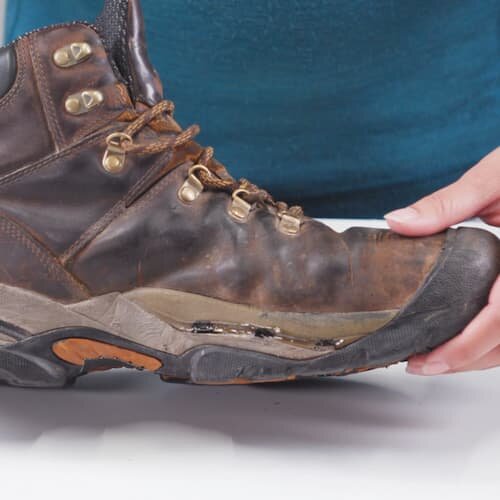
It's common for backpackers to have hiking shoe and hiking boot failure in the wilderness...more often than we’d like to remember. Soles separate, toe caps delaminate, you name it.
Gear Aid Aquaseal SR (the product formerly known as Freesole) has saved us many, many times and we’d never be without it. Many hikers will pre-treat their shoes if they know where problems happen regularly with their shoes, as does with certain trail running shoes.
Insoles: Superfeet Hike Support Insoles

We would argue that if insoles can offer even a marginal improvement in foot fatigue or pain has major, positive consequences. When your feet hurt, life sucks. We've hiked thousands of miles of insoles, stopped using them, and then added them back again when our feet could not stand rocky trail any longer.
Our guide to Should I use Insoles with Hiking Shoes? delves into the benefits of insoles for foot fatigue, blister prevention, foot alignment, and general footwear fit.
Gear repair and maintenance
Gear Repair: Gear Aid Tenacious Tape

Got a hole in your down jacket from a campfire ember? Use Tenacious Tape. Did your sewing kit needle poke a hole in your dry bag? Use Tenacious Tape. Did a rock put a hole in the bottom of your ultralight tent? Use Tenacious Tape.
We’ve repaired multiple down jackets with Tenacious Tape and that hasn’t come off in years. Multiple washings and heavy use too. This stuff works. These simple steps to repair down jackets take less than a minute and can revive gear practically back to new.
Sleeping Pad Repair: Inflatable Repair Kit

There’s nothing worse than lying on your sleeping pad and hearing the sound pshhhhhhh as it deflates (ask us how we know). Unless you’re carrying a foam pad, carry a patch kit. It’s light and the kind of thing you’ll be so happy to have when you need it. Super glue, Aquaseal and multi-purpose Tenacious Tape can help in a pinch.
Still, we recommend carrying the patch kit specific to your sleeping pad's manufacturer. Many pads now come with the kit; replacement kits are also available. Alternately, Tenacious Tape makes Flex Patches, which are specifically designed for inflatables to form the airtight and watertight seals needed for sleeping pads. Watch our video on how we repaired a sleeping pad while thru hiking the Arizona Trail.
Sewing Kit: Gear Aid Sewing Kit

You never know when you might need to do emergency repairs on your clothes or shoes. You can swipe one from your next hotel stay, assemble one at home, or buy a lightweight kit from Gear Aid.
We like the Gear Air kit because it has 2 needles — small and large. The large needle can be used with dental floss as thread for heavy-duty repairs, such as shoes or boots. Sewing kits should be part of every Emergency Preparedness Kit. They are handy not just for gear repair, but for first aid, too.
Adhesive: Krazy Glue Singles
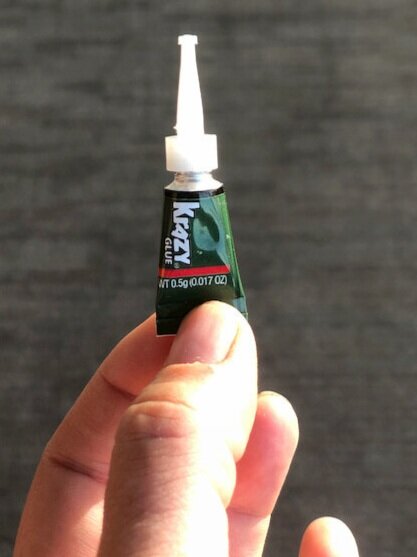
Super glue is another great multi-use product, which they now sell in mini single-use versions.
Use it to close a minor wound or seal a blister until you can get proper medical care.
And, of course, use it to repair your gear, too!
Insect and tick protection
Tick Prevention: Sawyer Permethrin Pump Spray

While Permethrin isn't an item we'd carry on trail, it's an essential we use on our gear before we start a backpacking trip.
Ticks are the animals we fear most in the backcountry. They are found in all the US lower 48 states, and one species even in Hawaii. Non-native ticks are making their way to Alaska as well. And the diseases they carry...well, you really don’t want to catch one. [The Lone Star tick bite can make you allergic to red meat.]
Permethrin is an insecticide that can be sprayed onto clothing and gear to kill ticks. Studies have shown that it is more effective than repellents for ticks, but less effective for mosquitoes. Sawyer makes it easy to treat your clothes AND gear with permethrin with a pump spray. The fabric of most backpacks and backpacking tents can be treated with permethrin (check manufacturer’s information).
You can also buy factory treated permethrin clothing that lasts for 70 washes.
Insect Repellent: Sawyer Picaridin Lotion

Mosquitoes can ruin a trip. That’s why most hikers carry some kind of insect repellent. We like picaridin rather than DEET. Studies have found no significant differences in performance between the two but picaridin does not have the same neurotoxicity concerns. Like DEET, picaridin repels both mosquitoes and ticks. But unlike DEET, picaridin does NOT destroy your gear.
Studies show the lotion stays on your skin up to 14 hours vs only 12 hours for sprays.
The 4-ounce bottle is probably too much to carry on a trip so we recommend buying a smaller container and repackaging.
Tick Removal: The Tick Patrol Tick Remover Tool

When hiking in tick country, it’s essential to check yourself for ticks every day. If you do get a tick, remove it quickly and easily with a tick key. Weighing 9 grams, there’s no reason not to carry one.
Just slide the tick into the slot on the Tick Key and pull the key away from your skin. Easy! It's something we carry on any section of the Appalachian Trail, for spring or summer hikes on the Superior Hiking Trail, and even on sections of the Pacific Crest Trail.
Hygiene and waste management
Potty Trowel: Bogler Co. Ultralight Potty Trowel

Leave No Trace Principle 3: Dispose of Waste Properly. For human waste, we need to dig catholes 6-8” deep (4-6” in the desert) and 4-6” in diameter. This can’t be done with a hiking pole or a random stick, trust us on this.
The Bogler potty trowel comes in weighs 0.5 oz and comes in 9 different colors so you don't mix it up with your friend's trowel.
It has a soft, flat plastic top that doesn't dig into your hand as you dig your hole. It makes the worst part of the day a little better–and that's why it's made Treeline Review writer's Favorite Gear for the PCT list.
The Bogler is our new winner in our Best Backcountry Potty Trowel guide.

As someone who takes backcountry hygiene seriously (I normally carry an entire roll of toilet paper on trail), I was intrigued, but scared, of backcountry bidets. But after installing a fancy bidet at home, I realized that toilet paper really doesn't clean that well.
And the ick factor? Well…is a bidet more or less icky than carrying out used toilet paper? Used toilet paper is as gross as it gets.
So…I begrudgingly tried a backcountry bidet. And it'll change your backcountry experience. Some tips:
Bring a dedicated water bottle just for the bidet
Hold the bidet far away to avoid splashbacks
Carry toilet paper until you're confident that the bidet works for you
If you're prone to urinary tract infections, spray from front to back
Bonus—it's also great for rinsing off sweat down there, which can lead to chafing in very uncomfortable places. Keeping your hiking underwear cleaner for longer will go a long way toward preventing chafing.
TP Disposal: Dog Waste Bags

For toilet paper, we recommend packing it out. The easiest, cleanest, cheapest way we’ve found is to use dog waste bags. Drop your used TP on the ground, put the dog waste bag over your hand and wrist, and pick up the TP.
With your clean hand, pull the bag over the other hand and tie off the bag...just like you would with dog waste.
We recommend unscented bags.
Pee Cloth: Kula Cloth

If you want to reduce the toilet paper you use in the backcountry, consider carrying a Kula pee cloth:
It’s antimicrobial
It has a clean side and a dirty side, so your hand stays clean
It has reflective detailing, so you can find it at night
It attaches easily to the outside of a backpack
It has double snaps so you can fold it up and it won’t touch any of your gear
They have super fun designs and artist series
It only weighs half an ounce!
You can also pair this with a backcountry bidet. Give yourself a little splash after peeing, then wipe with the Kula Cloth. Voila! No TP!

The CDC says that hand sanitizer does not work well against norovirus, which is rampant on the Appalachian Trail (I got it twice on my AT thru-hike). I gave up carrying Dr. Bronner’s soap a long time ago because it always leaked in my pack and was messy to use.
Enter powdered soap. It's light and doesn't make a mess. I carried the Pika Outdoors soap on my Mogollon Rim Trail thru hike, and it was luxurious. At night, I took a little of my leftover cooking water, lathered up my hands (away from water sources, of course), and cleaned up. I felt a lot less dirty.
Nail Clippers: So iLL
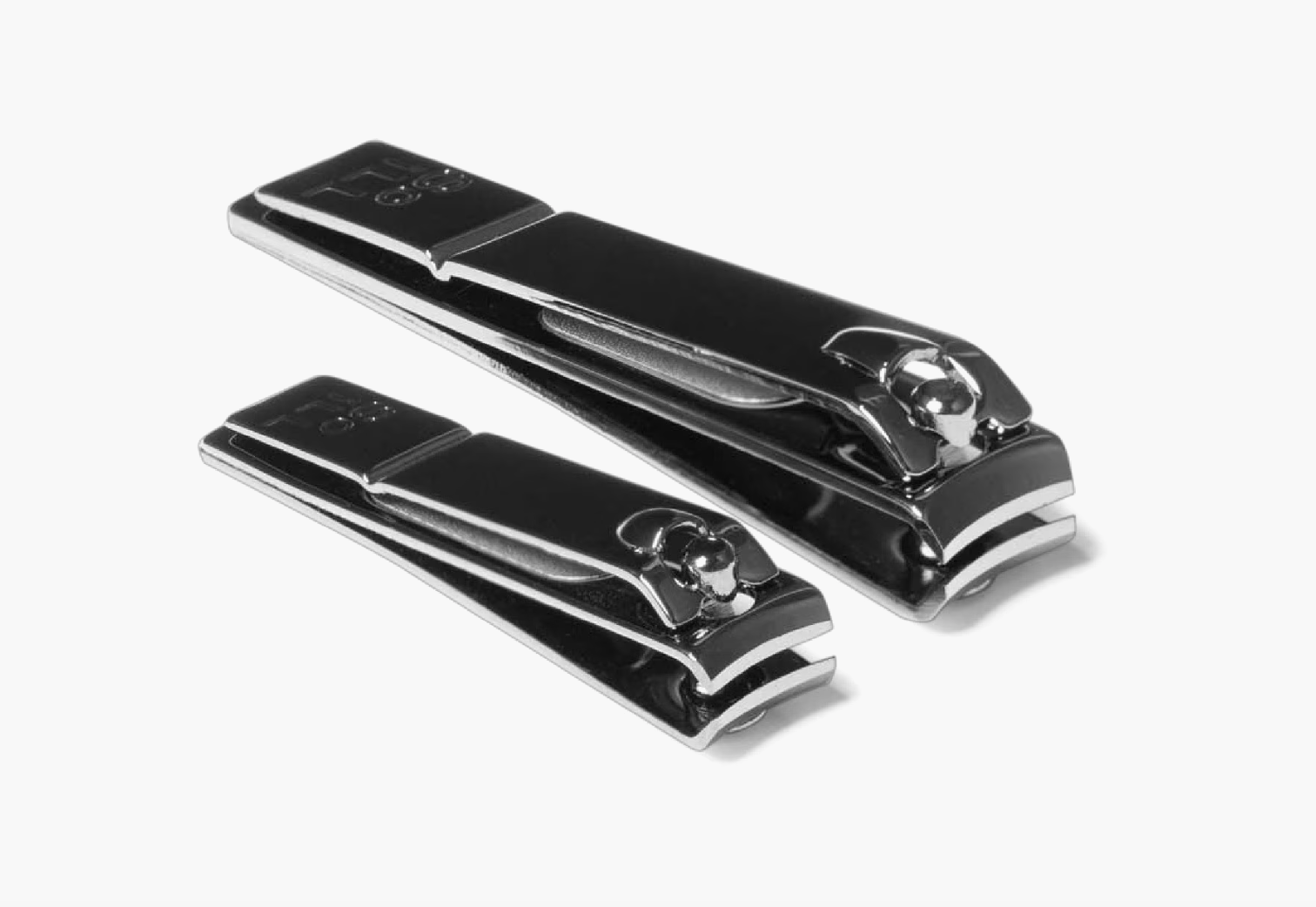
Fingernails and toenails break easily and often in the backcountry and nail clippers make the situation much easier to deal with.
Even if you’re going out for a short overnight, we’d still recommend carrying nail clippers.
This is a brand popular with climbers, who often need short nails.
First Aid and Footcare
Sports and Medical Tape: Leukotape

If there’s one lesson we’ve heard repeatedly from backpackers it’s that preventing blisters is wayyyy better than treating them. Leukotape is in our backpacking kit for this very reason. Leukotape is a sticky but breathable and flexible sports tape. It’s also tearable by hand which makes it convenient to use. At the first sign of a hot spot, we stop, clean the area well, and apply a piece of Leukotape. It stays on for days (even with wet feet) but is easy to remove once you get to town.
Water Treatment Backup: Bleach in mini dropper bottle

While we much prefer carrying a water filter and purifier for backpacking, we recommend carrying a lightweight backup method.
Our choice: bleach. It’s the recommended method during emergency situations and a little goes a long way. Make sure it is unscented.
Buy some black mini dropper bottles (bleach is light sensitive) and fill one with bleach. Just make sure it is unscented bleach!
Comfort and recovery
Massage Ball: Rawlogy Cork Massage Ball
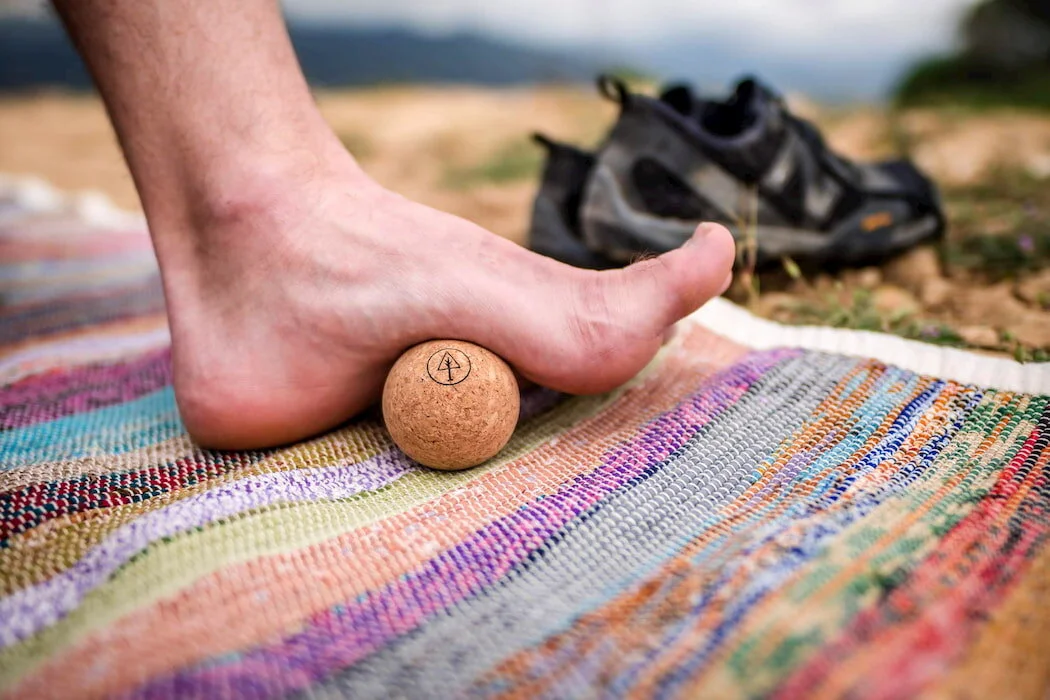
On the trail, one of my rituals every night in the tent is to massage my feet. Even if it’s only for 30 seconds, it makes a huge difference. I was positively DE-lighted when I found this massage ball that’s light enough to carry on a backpacking trip. Designed by hikers for self-massage, it only weighs 1.4 ounces (and the mini version only weighs 0.7 ounces!). And they’re made from recycled wine corks so they’re grippy even when wet. We like this ball so much it's on our How to Take Care of Your Feet While Hiking & Backpacking guide. You can also find it featured in our Ultralight Luxury Items for Thru-Hiking guide.
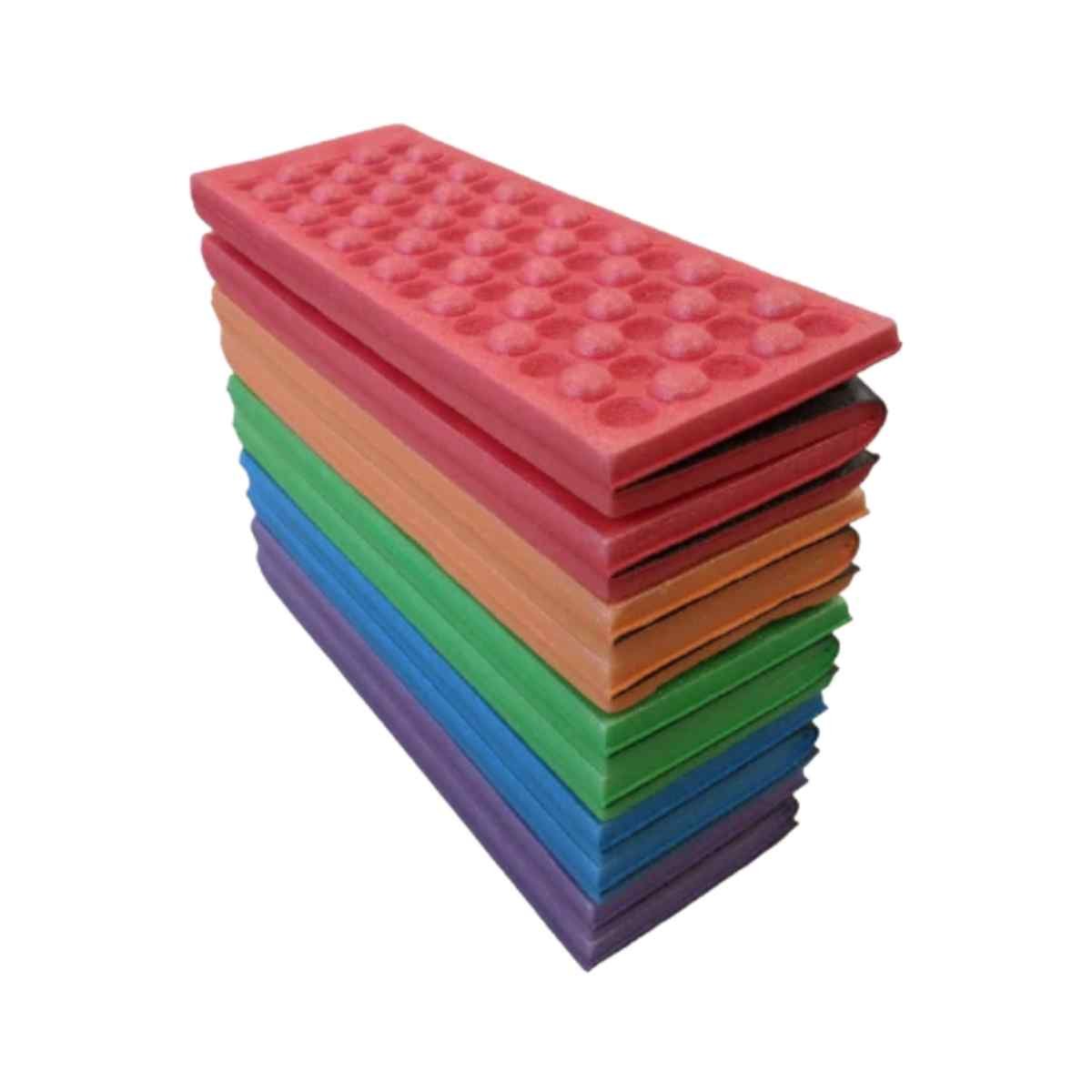
I've come full circle on this one. I started out carrying a sit pad as a traditional backpacker, but then I stopped in an effort to get my pack weight down. Sit pads were ridiculous, unnecessary, redundant.
But I've gone back to carrying one again and couldn't be happier. No more sap stains on the seat of my pants. No more ants crawling around my legs.
At night, I use it under my hips beneath my sleeping pad as extra reinforcement. Most of the holes I've gotten in my sleeping pads have been in the torso/hip area, where most of my body weight is. So yeah, definitely worth the weight penalty!

For colder trips or backpacking at altitude, I'll upgrade from a sit pad to a Gossamer Gear Thinlight Foam Pad.
The updated Thinlight adds an r-value of 0.5 (some people even use this as their lone sleeping pad!). That means warmth from sitting on snow. And an extra layer of protection between my sleeping pad and the cold ground at night.
Come warmer temps, I can ditch this pad, but when it is cold, the Thinlight is a quick way to keep toasty without having to buy a whole new sleeping bag or pad. That's why it is in our How to Stay Warm when Backpacking guide.
Plus, it's multi-use. We've even used it as an on-trail yoga mat!
Anti-Friction Cream: Trail Toes

To help protect the feet and body from the ABCs (abrasions, blisters, and chafing) of outdoor adventures, we highly recommend carrying some kind of anti-friction cream. Our favorite: Trail Toes.
We’ve used this cream for thousands of miles for blisters, back and hip chafing, and even on the days when we knew our feet would be wet all day as a protective barrier. Best yet, it comes with a small container to repackage.
Food and Hydration
CNOC Vecto

The Cnoc Vecto is a collapsible water bag that has proved incredibly useful while backpacking. While many backpackers may rely on bottles, the Vecto collapses meaning you can have the security of knowing you have extra water capacity for long carries between water sources. When you don't need to carry extra water, it folds down.
Best yet, it has a small, threaded bottle size opening that will screw onto a water filter and a wide opening to make filling it from lakes easier.
The Cnoc Vecto is made of a light and durable FDA-approved BPA, BPS, and BPF-free material that won't make your water taste like plastic. It's become an essential accessory for us that comes on every trip.
Long Handle Spoon: Toaks Titanium

Don’t like getting food all over your hands (or your dirty hands all over your food) eating out of those freeze-dried meal pouches?
Neither do we.
A long handled spoon is an absolute must. We like the Toaks titanium version with the polished bowl made by TOAKS. It’s easier to clean spoons with a polished bowl, while the matte handle gives more grip.
The long handle is also great for stirring your rice or pasta in your cooking pot because it keeps your hand a nice distance away from the heat. You can also use it to unlock your bear can!

The FlipFuel allows you to transfer fuel from a half-full canister to another half-full canister so you always start with a full can. We're big fans of this as it is better for the environment by allowing you to recycle empties and prevents having to buy a new fuel canister.
Unless you're on a multi-week thru-hike, you can get away with keeping the FlipFuel at home. But when you're on a long trip, every hiker has seen a Hiker Box full of halfies. The FlipFuel allows you to top off the can you've got. It pays for itself in just a few uses!
Waterproofing and storage
Dry Bags: Hilltop Packs Roll-top Dry Bags

Some gear you really, really want to make sure stays dry. Top of that list is your sleeping bag or quilt — down or synthetic.
Even if we have a “waterproof” backpack and use a trash compactor bag in our “waterproof” pack, we recommend using a dry bag for our sleeping bags.
The Hilltop Packs roll-top dry bags come in a variety of sizes, and are made from ultralight and waterproof DTRS75 ECOPAK fabric. They range in size from 0.6 L to 11 L and weigh between 0.46 and 1.46 ounces. Well worth the weight.
For more dry bags suggestions, see our Best Dry Bags guide.
Pack Liner: Trash Compactor Bags

Most hikers agree: the best way to keep your gear dry is to line the inside of your backpacking backpack with a trash compactor bag.
They’re thicker than regular trash bags and much more puncture resistant. They’re extremely light.
If the weather forecast looks good, you can leave it folded up in the bottom of your pack. And in our experience, they work better than any external pack cover we’ve ever used.
True trash compactor bags can be hard to find, so we recommend buying online or at an Ace Hardware store. They come in big boxes, but will need replacing occasionally. Send yourself fresh ones in resupply boxes or share with other hiker friends.
You can read more in our How to Keep Backpacking Backpack gear dry.
Waterproof Phone Case: Otterbox FRĒ Series

The best way to keep your phone safe from water, dust, and shock is to use a phone case specific for your phone model. Many hikers have had great success with the OtterBox FRE series phone cases.
These dropproof, shatterproof, waterproof, dustproof phone cases give piece of mind when you're on the trail. Plus, they're handy in "real life" off the trail, too.
Waterproof Electronics Bags: LOKSAK OPSAK Bags
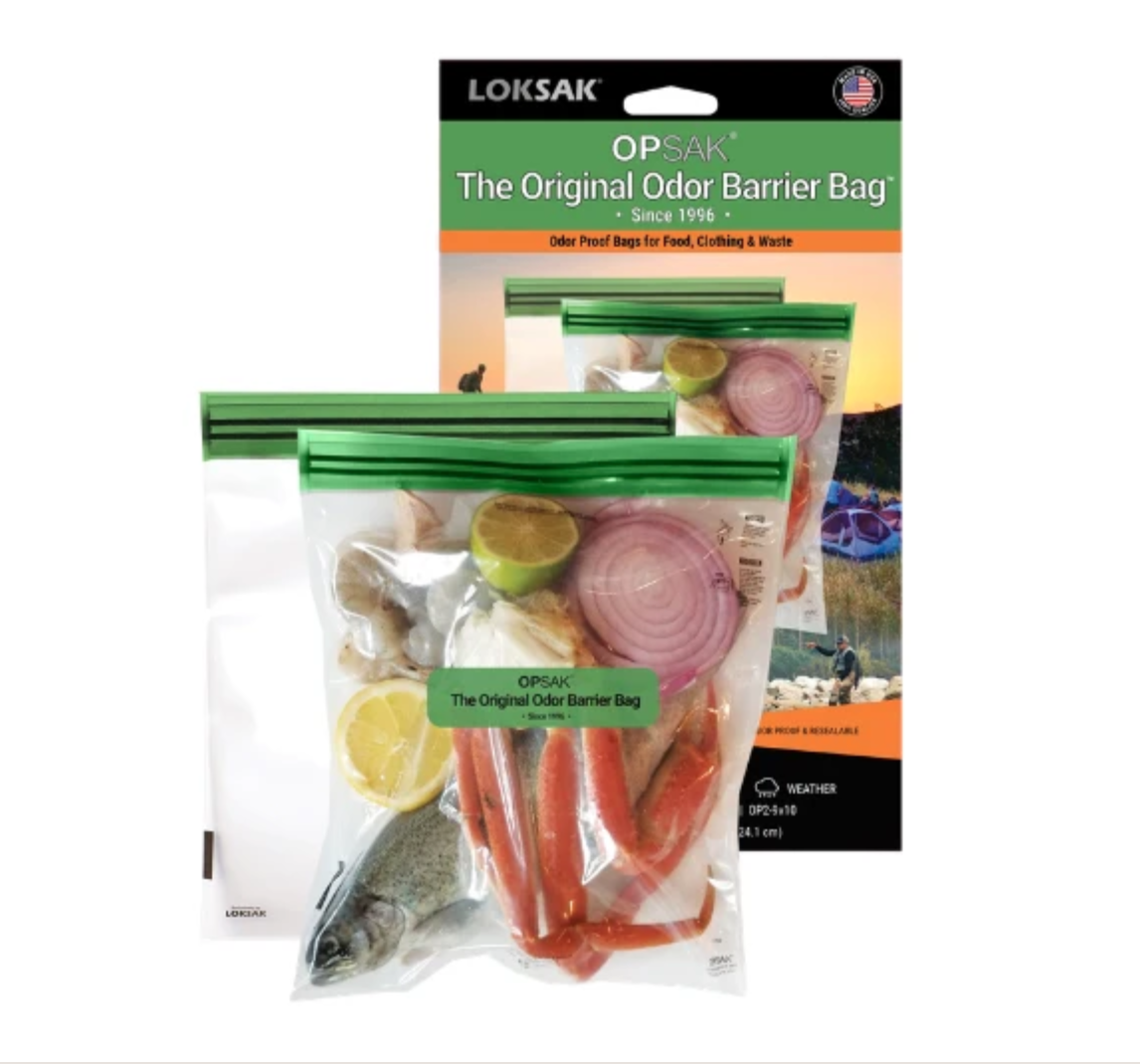
Waterproof bags also work to protect electronics like GPS watch chargers and wireless earbads against water and dust. We don’t recommend Zip Locks.
Better than a Zip Lock: LOKSAK waterproof bags. They’re much thicker and protect against sand, humidity, and water.
BEAR AND WILDLIFE PROTECTION
Odor Proof Food Bag: LOKSAK OPSAK

Sleep better at night knowing your food is protected from bears and rodents with an odor proof food bag.
Again, we recommend the tried and true LOKSAK OPSAK odor proof bags. They’re thick, they’re durable, and they only weigh 0.8 ounces.
Bear Spray: Counter Assault Bear Deterrent Spray

Bear spray is like pepper spray for bears and is a good idea for hikers and backpackers who enjoy spending time outdoors in bear country. Glacier National Park and Yellowstone National Park highly recommend users who hike into the backcountry to have bear spray on hand. Most thru-hikers on the Continental Divide Trail will carry bear spray for 1000 miles while they are in grizzly country.
If using bear spray, it may also be worth also getting inert bear spray to practice how to use the live canister. The inert bear spray is the same shape and size, but instead of having a pepper spray inside, it has a harmless substance. It’s much less expensive than the real thing, so it’s perfect for training.
Note that not all national parks allow bear spray-notably Yosemite and Kings Canyon ban them, so check to see what parks you'll be hiking in before you go. Also, be aware that they can’t be brought on planes (they are an aerosol, after all).
Bear Canister: Bear Vault BV 425 Sprint Bear Canister

A hard-sided bear canister is also required for overnight backpacking in more and more national parks. Appalachian Trail, Pacific Crest, and John Muir Trail thru-hikers all will need to carry a bear canister for part of their trip. When it comes to balancing weight, volume, and price, the Bear Vault BV 425 Sprint is one of our favorite bear cans.
Although bear cans tend to be heavy, we were surprisingly pleased by this smaller new can, that is lighter than older versions we've carried. It's perfect for overnight and weekend trips. But if you're on a thru-hike or out for longer, you'll need something with bigger capacity like the giant BV 500.
You may also want to check out the new BearVault BV ONE bear canister, which we reviewed and loved.
Bear Proof Bag: Ursack AllMitey

Even if your hiking destination doesn't require bear canisters, you'll still want something to protect your food from critters. The Ursack is made by laminating ballistic-weave fabric with Kevlar to thwart bears, mice, raccoons, and squirrels.
We've carried the Ursack on the Continental Divide Trail, Great Divide Trail in the Canadian Rockies, and Pacific Northwest Trail. It protected our food and gave us peace of mind. It's certified by the Interagency Grizzly Bear Committee, but isn't approved in some areas.
Electronics
Portable Charger: Nitecore NB 10000 Gen 2

So. Many. Electronics.
Phone, headphones, satellite messenger, camera, headlamp, and GPS watch may all need to be recharged on a longer trip. Battery packs are now fairly cheap, light, small, and powerful. We’ve had great success with the Nitecore NB 10000 Gen 2.
It has dual USB and USB-C ports to charge two devices at the same time. The carbon fiber case reduces weight and helps resist punctures, impacts, and abrasions. It’s IPX5 rated, meaning it can resist high-pressure, heavy sprays of water. Everything we look for in outdoor applications.
3-way USB Cable: Anker Powerline II 3-in-1 cable
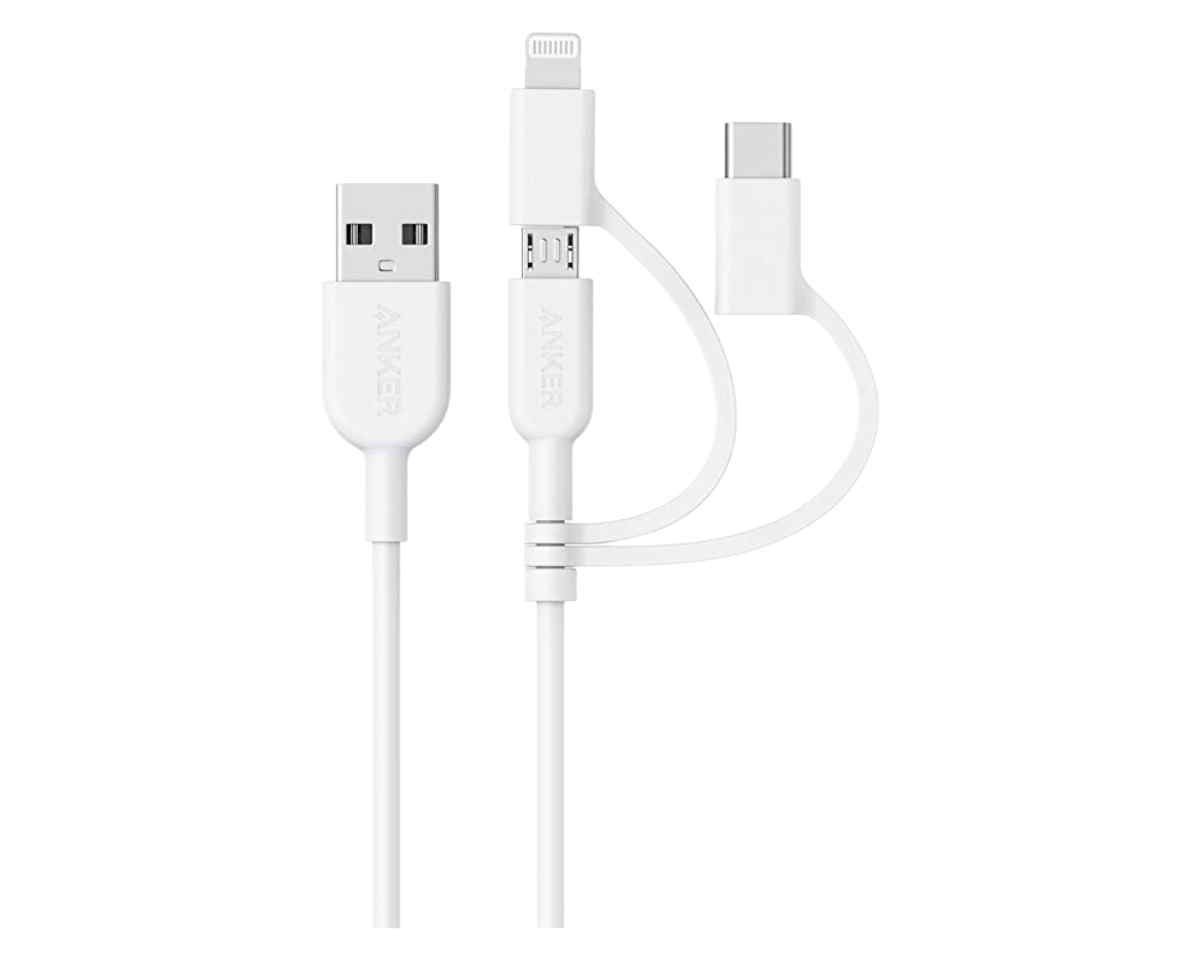
Tired of carrying a different charger for every device? If you're on a backpacking trip long enough that you'll need your own power source, you'll also need to bring cables.
The 3 in 1 cable has a lighting connector (for iPhones), micro USB connector, and USB-C connector. Plus, the braided cable is more durable than many other cables.
This one cable can do it all and reduce the clutter in your electronics bag. Pro tip: opt for white if you can. It'll stand out better against leaves and dirt in camp at night.
Miscellaneous accessories
Buff Neck Gaiter
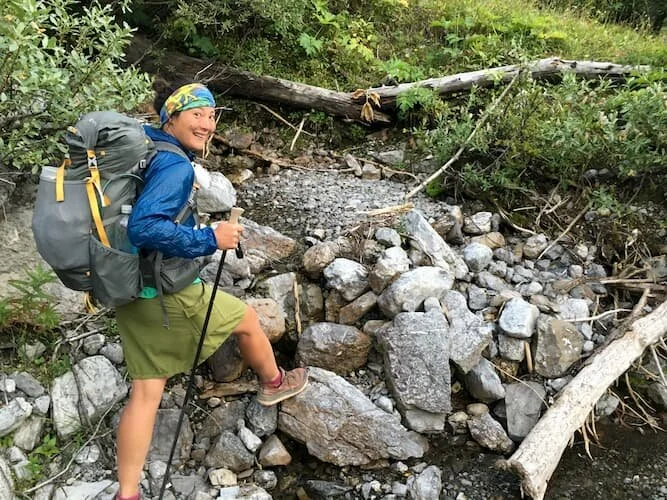
It’s UPF 50, moisture-wicking, quick drying, and can be worn in 12 different ways. So. Many. Uses. Here’s a non-exhaustive list:
Sun protection
Cold protection
Dust protection
Wind protection
Bug protection
Keeps your beanie on your head when you sleep
Keeps your hair out of your face when you hike
Dish rag
Light block during a full moon
Personal flair

No, we’re not carrying diapers. We use diaper pins to pin our wet socks to our pack to dry out during the day. They’re much sturdier than regular safety pins and can handle the weight of wet hiking socks. We put one on each side of our pack on the daisy chain, not the actual pack material itself (you really don’t want to puncture that).
Miscellaneous Items Not to Forget
Extra Batteries
These days you likely only need extra batteries for your headlamp (although rechargeable headlamps are getting really good these days). The batteries always seem to run out when you need them most. We recommend carrying one set of whatever size you need and keep them in a place that’s easily accessible.
Local Currency
Whether you’re hiking in your home or in a foreign country, it’s always smart to carry cash.
Many, many times my credit card has been canceled on trail due to fraud and cash is my only backup. Not all small towns have ATMs so bring some with you. We’ve also known hikers who had to resort to waiving cash trying to get a hitchhike.
Why we chose this gear
Essential accessories are just that–things that we don't like to leave home without but also that are smaller items. We chose this gear after thousands of miles of backpacking. We learned the need for these items through trial and error. For example, we used to dry wet gear from our backpack with safety pins. Only after discovering a hiking sock had fallen off did we upgrade to diaper pins. Similarly, we used to carry 3 different cables for our electronic devices. Only after discovering the existence of 3-in-1 cables did we switch over to one cable that charges (almost) everything.
Importance of being well-prepared
Being well-prepared with the right gear and accessories is crucial for a safe and enjoyable hiking or backpacking experience. Each item on the list serves a specific purpose, whether keeping your feet comfortable, protecting you and your food from wildlife, or helping you handle unexpected situations. By equipping yourself with the necessary gear–big and small items–, you can mitigate potential risks. By making you feel more comfortable outdoors, you can focus more on nature or challenging physical or navigational goals instead of being stuck dealing with gear minutiae.

Enjoy the outdoors responsibly
As hikers and backpackers, it’s important to remember the principles of Leave No Trace and practice responsible outdoor ethics. Minimize your impact by properly disposing of waste, following established trails, and leaving natural resources undisturbed. We also recommend familiarizing yourself with The Outdoorist Oath and even taking a free workshop with them. By doing so, we can preserve the beauty of nature and ensure its availability for all people, including future generations, to enjoy.
Having the right hiking and backpacking accessories can make a significant difference in your ability to responsibly enjoy the outdoors. The right accessories can help minimize risks (Principle 1 is Plan Ahead and Prepare) and also reduce your impact (Principle 3: Dispose fo Waste properly).
Why hiking and backpacking accessories are important
Sometimes, small things can make a big difference.
The big four — your tent, sleeping bag, backpack, and sleeping pad — get all the attention, and rightfully so. They're the expensive decisions, the ones you research for weeks and agonize over in spreadsheets. But once you've got those dialed in, it's often the smaller items that determine whether a trip is genuinely comfortable or quietly miserable.
A hot spot that becomes a blister on day two can derail a week-long trip faster than bad weather. A sleeping pad that deflates overnight because you didn't have a patch kit is a problem that no amount of great tent or sleeping bag will fix. Running out of usable fuel on the last night because you didn't consolidate your half-empty canisters is the kind of thing that sticks with you. These aren't hypothetical scenarios — they're the lessons that end up on this list.
What makes accessories different from luxury items is that they solve real problems. The diaper pins solve the problem of wet socks that won't dry unless you stop moving. The Leukotape solves the problem of a hot spot that will become a blister if you ignore it for another mile. The bleach in the dropper bottle solves the problem of a failed water filter with no backup. None of these items are glamorous. None of them will make your pack look impressive at the trailhead. But each one has earned its place through experience.
The other thing about accessories is that they tend to be light and cheap relative to the problems they prevent. A tick key weighs 9 grams and costs a few dollars. The alternative — trying to remove a tick without one — risks leaving the head embedded and potentially exposing you to disease. That's a bad trade. Most of the items on this list follow the same logic: the weight and cost of carrying them is trivially small compared to the cost of needing them and not having them.
After enough miles, you stop thinking of these things as optional extras and start thinking of them as just part of what goes in the pack.
How to pack backpacking accessories
Knowing what to bring is only half the equation. Where you put things in your pack matters more than most people realize, especially when you need something urgently and your pack is fully loaded.
The general rule is simple: the more likely you are to need something on the trail without stopping to dig through your pack, the more accessible it needs to be. Everything else can live at the bottom. For more, see our How to Pack a Backpacking Pack guide.
Hip belt pockets are prime real estate. This is where we keep the tick key, a small amount of Leukotape pre-torn into strips, lip balm, snacks, and the picaridin lotion for quick reapplication. Anything you might need while moving without breaking stride belongs here.
The top lid or brain of your pack is the next most accessible spot. This is where the Aquaseal SR, Krazy Glue, and the bleach dropper bottle live in our kit. Not things we need constantly, but things we need to find quickly when something goes wrong. The sewing kit and Tenacious Tape go here too.
The hipbelt or shoulder strap attachment points are where the diaper pins live, already clipped and ready to grab a wet pair of socks at the end of a long day. Pro tip: Don't put the pins through the pack fabric itself — attach them to a daisy chain or gear loop.
An exterior side pocket is the right home for the bidet bottle. Keep it separate from your drinking water bottles so there's never any confusion. Some people color-code with tape.
Inside the pack, near the top is where the sleeping pad repair kit and power bank belong. You won't need them constantly, but when you do need them — a deflating pad at camp, a dead phone with miles to go — you don't want to unpack everything to find them.
The sleeping bag dry bag goes at the bottom of the pack and nothing else should share that space. Keep the trash compactor bag liner installed at all times, not folded up at the bottom waiting for rain. By the time you know you need it, it's already too late to install it.
A few items don't go inside the pack at all. The Kula Cloth clips to the outside where air can reach it. The sit pad often goes between the pack and your back as a frame pad substitute, or clipped to the outside for rest stops. The Buff usually lives in a hip belt pocket or tied to a shoulder strap where it can be grabbed without thought.
One more thing worth noting: repackage where you can. The picaridin lotion doesn't need to travel in its original 4-ounce bottle. The powdered soap doesn't need its full container. Transferring things into smaller vessels — a small dropper bottle, a tiny zip lock, a cut-down stuff sack — reduces both weight and bulk and makes organization easier. This is worth spending an hour on the night before any trip.
How to adjust backpacking accessories by trip type
Not everything on this list belongs on every trip. Here's how we think about scaling the kit based on what kind of trip we're doing.
Weekend trips (1-3 nights)
For a short overnight or weekend trip, you can leave a lot of this behind. Skip the FlipFuel — you won't burn through enough fuel to need it. Leave the full sewing kit at home and just bring a needle and a few feet of thread in a small zip lock. You probably don't need the power bank unless you're relying heavily on your phone for navigation. The sleeping pad repair kit is still worth bringing — a deflating pad is just as miserable on night one as on night five. Keep it lean, but don't cut the blister prevention kit or the tick key. Those earn their place on any length trip.
Thru-hikes and long trips (2+ weeks)
Everything on this list earns its place on a long trip or multi-month thru-hike. The FlipFuel becomes essential — hiker boxes on long trails are full of half-empty fuel canisters that could have been consolidated. The power bank is non-negotiable if you're using your phone for navigation or a satellite communicator. Bring the full sewing kit, not just a needle and thread, because you will need it. Repackage everything you can into smaller containers to reduce weight. The bidet stops being optional after about week two when you're rationing toilet paper in a resupply stretch. The powdered soap starts feeling like a luxury you can't live without.
Desert trips
Water management becomes the priority. The CNOC Vecto is non-negotiable — long water carries in the desert are common and having collapsible extra capacity is essential. The bleach dropper backup becomes more important here too, since water sources can be scarce and you can't afford to have your filter fail without a backup. The tick situation is generally less severe than in the humid East, so you can scale back on permethrin treatment, though it's still worth doing. Sun protection such as a hiking umbrella moves up the priority list — the Buff becomes essential rather than optional.
Wet and humid conditions (Pacific Northwest, Southeast US, spring anywhere)
The trash compactor bag liner is mandatory, not optional. Use a dry bag for your sleeping bag regardless of how waterproof your pack claims to be. The Leukotape becomes even more critical because wet feet blister faster. Permethrin treatment is essential in the humid Southeast, which has some of the highest tick density in the country. Consider bringing a larger or more absorbent Kula Cloth, and expect to use more Trail Toes than you would in dry conditions since wet skin chafes faster.
Cold weather and shoulder season trips
The Gossamer Gear Thinlight foam pad moves from optional to standard — sitting on snow without insulation underneath drains warmth fast. The power bank needs extra attention in cold weather because battery performance drops significantly below freezing; keep it in a pocket close to your body overnight rather than leaving it in your pack. The massage ball becomes more valuable when your feet are dealing with extra fatigue from post-holing or heavier footwear. Gaiters move from a nice-to-have to essential if you're crossing snow or breaking trail in wet conditions. See our guide for Outfits and Gear for Hiking during Shoulder Season and How to Sleep Warmer while Hiking and Backpacking for more tips.
Bear country
The LOKSAK Opsak odor-proof bags are non-negotiable. So is whatever food storage method is required for the area you're in — check regulations before you go, because requirements vary significantly between parks and wilderness areas. Some require a hard-sided canister, some accept the Ursack, and some have neither requirement but still have active bear populations that make food storage essential. Carry the bear spray in a hip belt holster where it's accessible in under three seconds — not buried in your pack. If you're practicing with bear spray for the first time, get the inert training canister before you head into grizzly country.
FAQ
-
The truly essential accessories are those that address safety, hygiene, and gear failure: blister prevention tape, a water treatment backup, a gear repair kit, tick protection, and food storage. Items like a massage ball, sit pad, or bidet are real quality-of-life improvements but can be left behind on shorter or lighter backpacking trips. The right answer depends on trip length, terrain, and your personal priorities.
-
The most effective approach is repackaging. Carry small quantities of insect repellent, biodegradable soap, and bleach in lightweight dropper or pill bottles rather than full-size containers. Choose multi-use items wherever possible: a Buff serves as sun protection, insulation, dust cover, and hair tie. A trash compactor bag functions as both a pack liner and waterproofing for your sleeping bag. Cutting down on redundant items and repackaging liquids can save several ounces without sacrificing any real functionality.
-
Bear spray and a bear canister serve different purposes and are not interchangeable. A bear canister stores your food so bears cannot access it overnight. Bear spray is a deterrent used during an active encounter. Whether you need one or both depends on regulations and conditions in the area you are hiking. Many national parks require a hard-sided bear canister by permit, and some ban bear spray entirely, so checking the specific rules for your destination before packing is essential.
-
Lining the inside of your pack with a trash compactor bag is the most reliable and lightweight method, and outperforms most external rain covers in heavy rain. For gear you absolutely cannot afford to get wet, like your sleeping bag or down insulation, add a dedicated dry bag inside the pack liner as a second layer of protection. External pack covers work in light rain but often fail in sustained downpours or river crossings.
-
The right storage method depends on local regulations. Many areas require a hard-sided bear canister, which no bear can open. Where canisters are not required, an Ursack made of cut-resistant Kevlar fabric is a lighter alternative that protects against bears and rodents. Regardless of the container you use, always store food, scented items such as sunscreen and lip balm, and trash at least 200 feet from your campsite, and use odor-proof bags inside your storage system to reduce the scent that attracts wildlife in the first place.
-
For a day hike, the core accessories are blister tape, insect repellent, a tick removal tool, and a small repair kit for footwear. A multi-day trip adds food storage for bear country, waterproofing for your pack and electronics, hygiene items like soap and a pee cloth or bidet, anti-chafing cream, a portable charger, and odor-proof bags. The longer the trip, the more the small comfort and hygiene items pay off, since even minor issues like blisters or wet gear compound significantly over several days.
Why you should trust us / about the author

Naomi Hudetz is a thru-hiker and co-founder of Treeline Review. She brings decades of private sector experience in project management, budget and pricing projection, and long-term business vision, strategy, and goals.
Naomi left her corporate career to pursue her passion for the outdoors. She received the Triple Crown award for hiking for completing the Appalachian Trail, Pacific Crest, and Continental Divide Trail and has hiked numerous other distance routes including the Great Divide Trail across the Canadian Rockies (twice), Grand Enchantment Trail, Pacific Northwest Trail, the Arizona Trail, (most of) the Idaho Centennial Trail, the first known thru-hike of the Blue Mountains Trail, and the Oregon Desert Trail.
She is former Treasurer of the American Long Distance Hiking Association-West and is based in White Salmon, Washington.
You can read all of Naomi’s Treeline Review stories on her author page.