Best Kids’ Winter Gloves of 2026
Warm, waterproof, easy-on winter gloves and mittens for babies, toddlers, and kids
March 6th, 2026
Home → Gear Reviews → Apparel
As soon as kids get cold fingers or toes, it can ruin the outing for everyone. To protect your child’s small fingers—and your sanity—finding the perfect pair of mittens that is warm and waterproof is a must, especially considering how often young kids want to explore and touch snow (or slushy puddles).
Whether they are toddling along and falling in the snowbank or are older and crafting snowball after snowball, mittens for young kids have a big job to do. Waterproof mittens and gloves protect fingers from getting frostbite, which is when your skin freezes after exposure to extreme temperatures, and is most common in fingers, toes, noses, and ears. According to the Cleveland Clinic, frostbite could lead to permanent, irreversible tissue damage, which, as one of our adult testers knows, is accurate and annoying, to say the least.
Young children, even five-year-olds, can’t always express that their hands or body is cold, and little kids and babies aren’t able to adapt to temperature changes as quickly as adults do and they lose body heat much quicker. Needless to say, proper mittens are a must.
We tested nine pairs of kids’ mittens and gloves during the winter months in Colorado and didn’t go easy on the gear. When evaluating each pair, we looked at warmth, waterproofing, windproofing, dexterity, durability, ease of getting them on and off (both for parents of toddlers and for young kids who can do it themselves), as well as long-term durability. The ideal pair of mittens or gloves should be easy to put on and keep on, provide enough dexterity for play, and provide comfort in all weather conditions.
After many weeks of wet and cold testing, the Reima Ote mittens easily took the top spot for the best overall mittens for kids. Learn more about these mittens and our other top picks, along with what to look for in kids’ gloves, sizing guidance, and more in this guide.
For more kids’ snow gear, check out our Best Kids’ Snow Gear guide.
We write mission-driven gear reviews. To find the best gear, we combine expert reviews, everyday user opinions, and rigorous independent trail testing—never native ads or sponsored posts. We are 100% reader-supported and may make a small commission from some qualifying affiliate links. Learn more.
Best Kids Winter Gloves Comparison Table
| KIDS WINTER GLOVES/ MITTENS | TREELINE AWARD | TYPE | SIZING | WATER-PROOFING | WARMTH | DEXTERITY | MSRP |
|---|---|---|---|---|---|---|---|
| Reima Ote Waterproof Mittens | Best Overall Mittens Read why |
Winter mitten | 1Y - 10Y | High | High | High, for mittens | $50 |
| Reima Tartu Waterproof Gloves | Best Overall Gloves Read why |
Winter glove | 2Y - 14Y | High | High | High | $55 |
| SnowStoppers Original Extended Cuff Mittens | Best Affordable Mittens Read why |
Winter mitten | 6M - 12Y | High | Med - high | Moderate | $20 |
| REI Co-op Timber Mountain Gloves | Warmest Gloves Read why |
Winter glove | S - L | High | High | Moderate - high | $40 |
| Hestra Baby Zip Long Mitt | Best for Toddlers Read why |
Winter mitten | 1 - 5 | Resistant | High | Low | $70 |
| Reima Puro Cotton-Lined Rubber Rain Mittens | Best for Wet Weather Read why |
Rain mitten | 6M - 8Y | High | Low | Moderate | $25 |
The winners
Best overall kids’ winter mittens: Reima Ote
Price: $50
Type: Mitten
Insulation: Recycled polyester; double insulation on the top part of the back side
Waterproofing: High
Warmth: High
Dexterity: High for a mitten
What we liked: Includes sizing from one year old up to 10 years old, warm, flexible
What could be better: Getting the gauntlet on properly does take some adult help
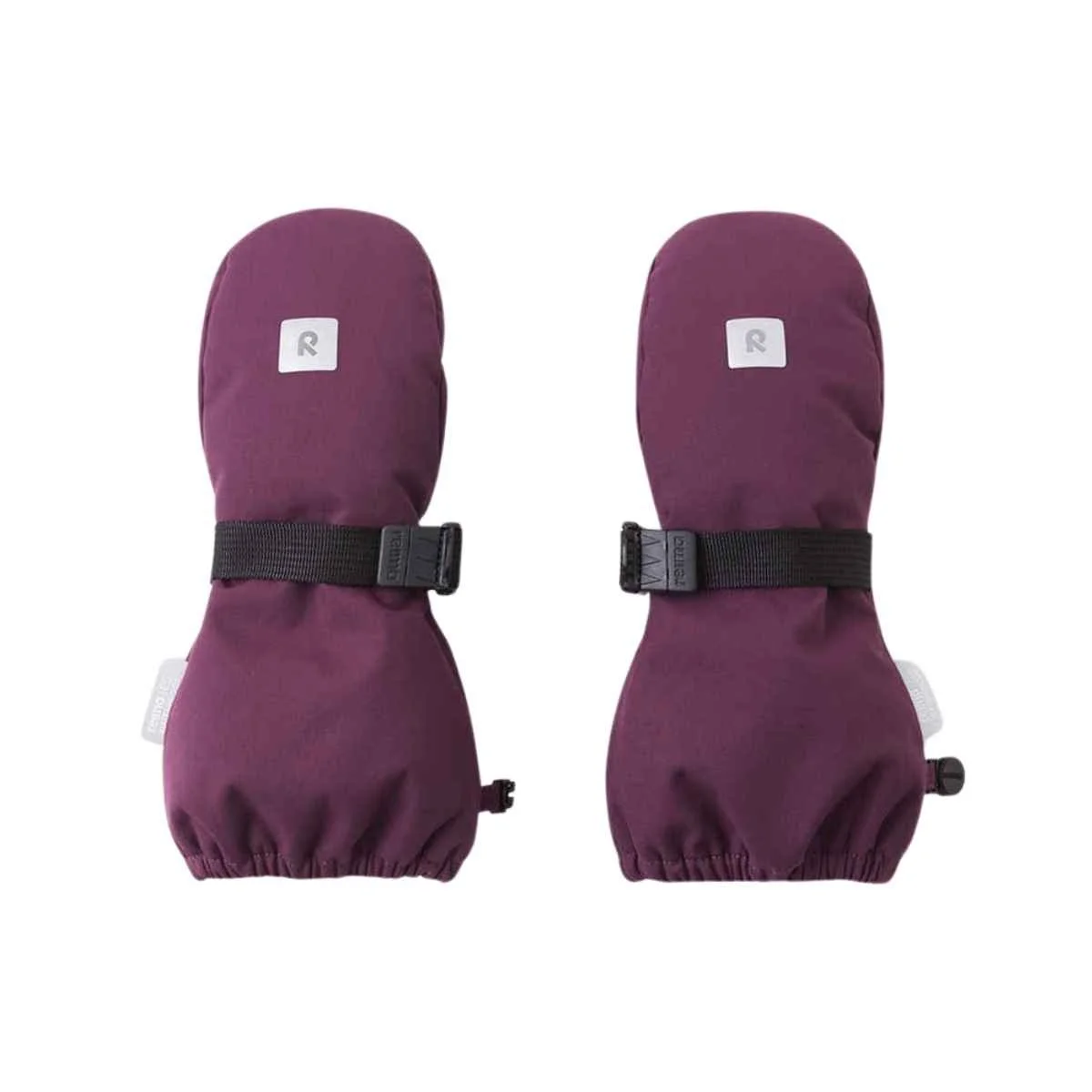
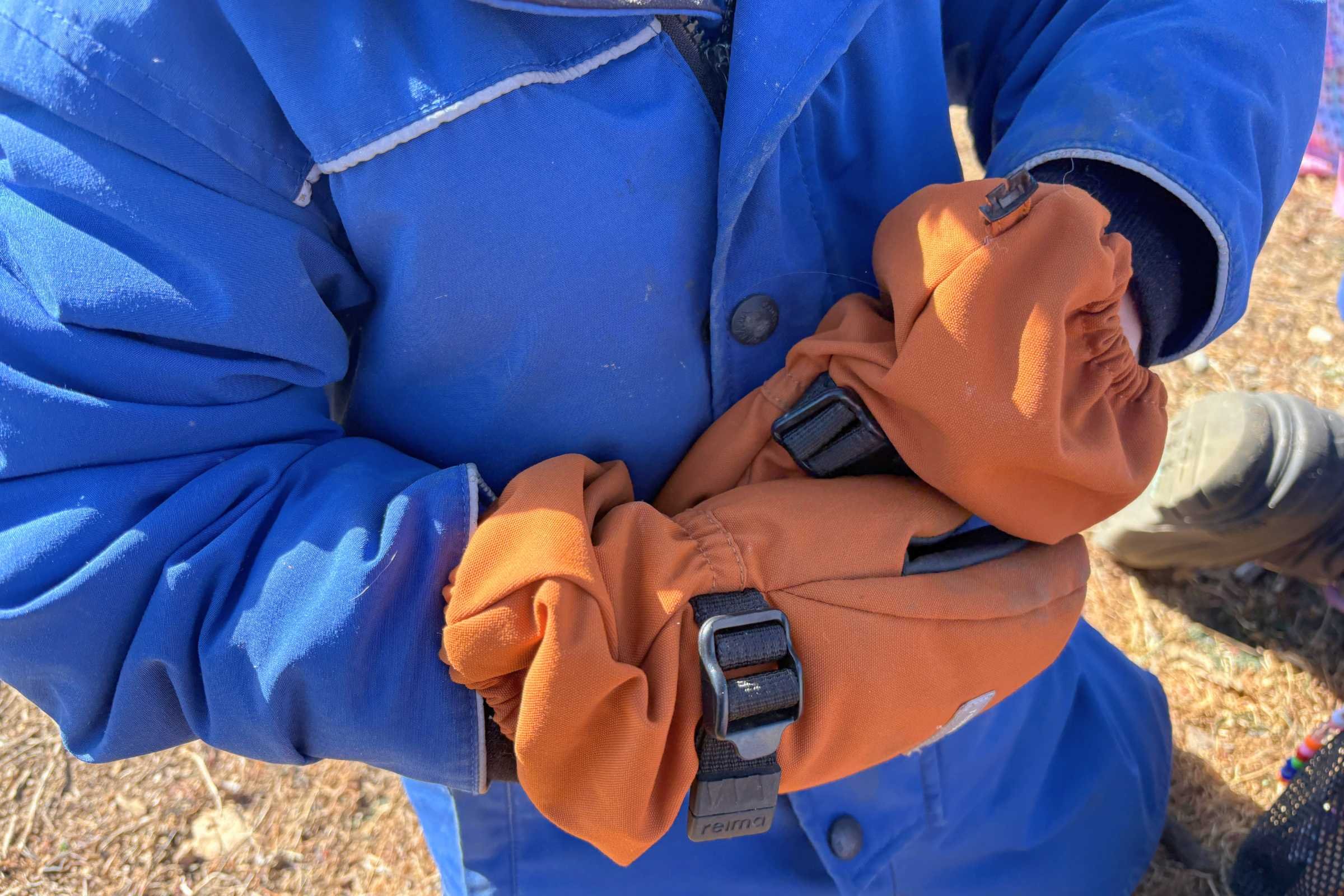
For a mitten that performs as one of the best all-around winter mitts, go with the Reima Ote (Finnish for “grip”), a best seller of Reima’s for years. The Otes are very similar to the Tartus, but in mitten form, which can be better for younger kids who aren’t as hardy against the cold weather and might not be able to let you know when their fingers are cold.
Reima Ote
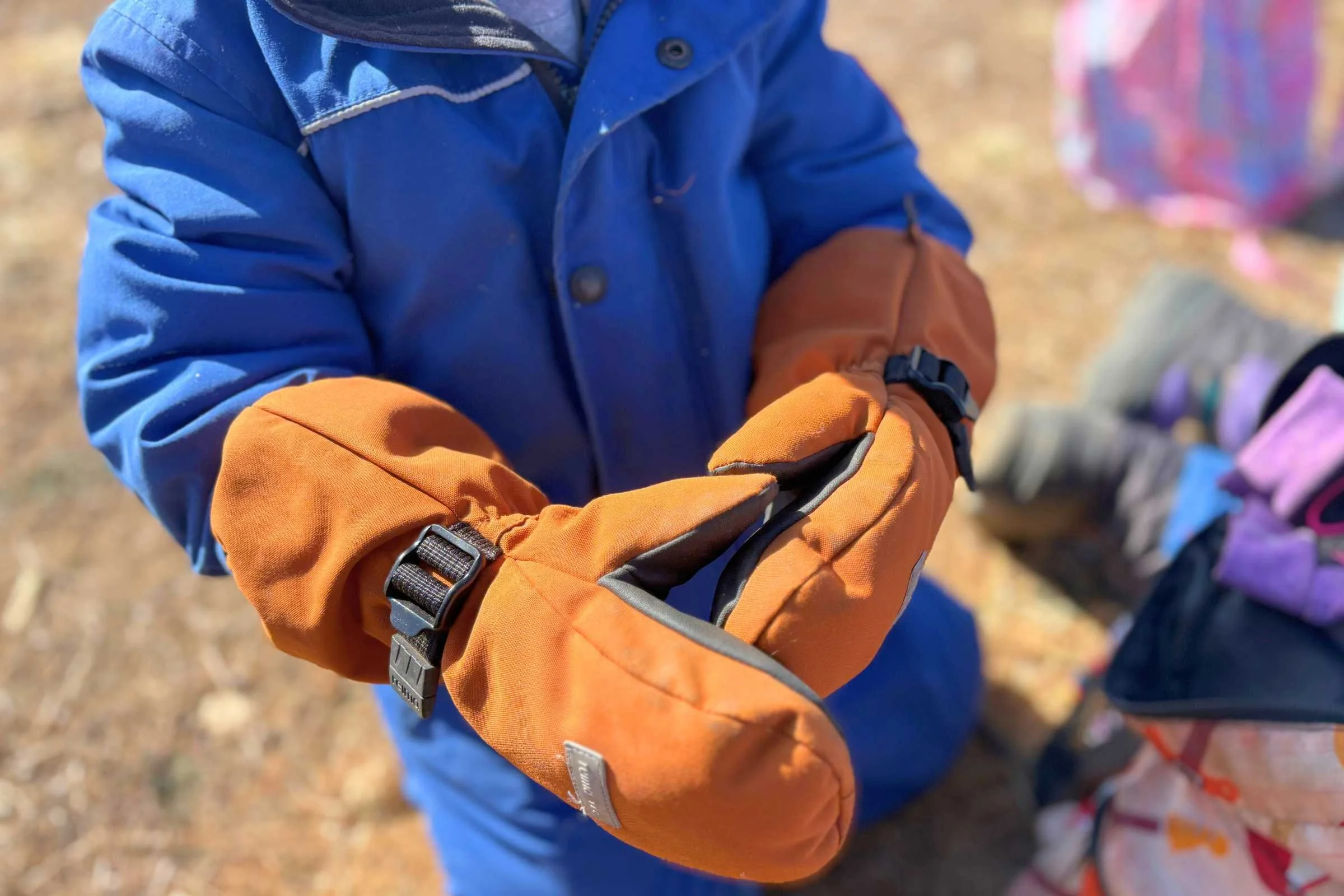
The Reima Ote mittens are easy to get on, very warm, waterproof and overall comfortable for a full day’s worth of play
-
We tested the Ote with both little kids (two years old) and older kids (four to five years old) in an outdoor classroom setting. The Otes are another highly recommended mitten by early childhood outdoor educators; we’ve used hand-me-downs for years without noticing any lack of protection from cold weather or wet snow. They can withstand hours of play in the snow or colder temperatures, are easy for kids to get on and off, and are both durable and grippy to keep kids (and parents) happy during play.
Another toddler tester also used these while learning to ski and while sledding through the snow, and even for his little hands, these mittens worked great—and stayed on better than any others we tested (besides the Hestra Baby Zip).
-
The Reima mittens feature a Hipora insert for waterproofing and windproofing, while the palm and thumb are reinforced to prevent wear when climbing or shoveling.
-
For warmth, the inner lining is soft fleece, and the top of the backside is double-insulated, so we didn’t have any complaints during colder days outside. There is no insulation in the larger gauntlet, but there is a wrist strap to tighten it and seal out cold wind.
-
Dexterity is slightly compromised by the mittens, but they are highly flexible and not overly insulated or puffy, so kids were still able to grip shovels or a sled.
-
Some kids prefer gloves with gauntlet-style cuffs that go over the sleeve, while others prefer shorter cuffs that don’t get in the way. These cuffs are large enough to secure over a sleeve, but kids will need adult help to pull the cuff up; otherwise, it scrunches around their wrist and doesn’t provide any added protection.
-
Reima knows what they are doing, and these mittens prove it—little kids are comfortable wearing them, bigger kids can get them on by themselves, and all hands will be warm and toasty for whatever winter adventures arise.
Best overall kids’ winter gloves: Reima Tartu
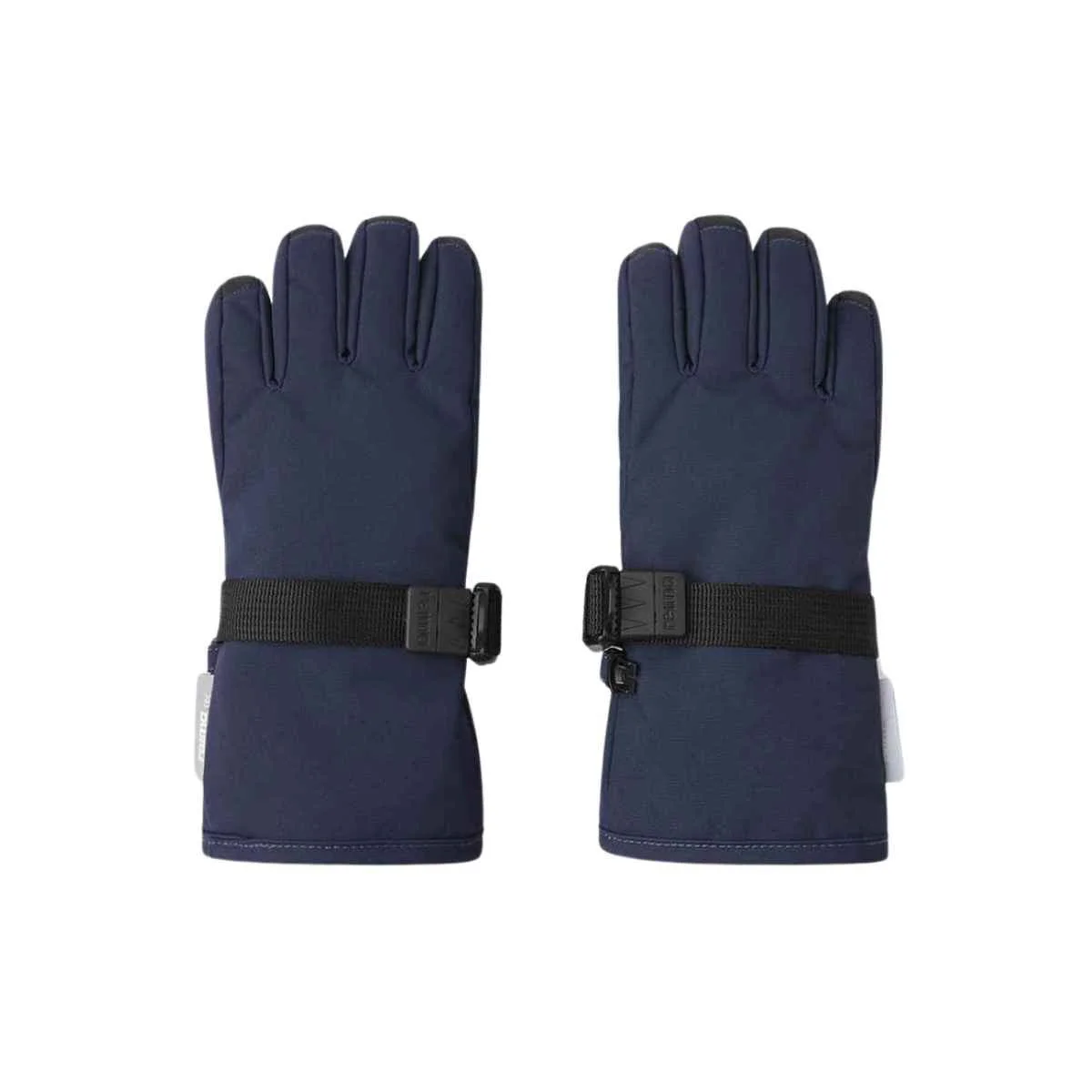
Price: $55
Type: Glove
Insulation: Recycled PrimaLoft
Waterproofing: Yes; Hipora insert
Warmth: High for a glove
Dexterity: High
What we liked: Includes sizing from two years old up to 14; waterproof and windproof
What could be better: No pull tab to help get them on
Older students, about four and five years old, tested the Reima Tartu (which means “grab” in Finnish) gloves in their outdoor classroom. If you have ever enrolled your child in an outdoor classroom or forest school, you’ll quickly learn that Reima is one of the go-to brands recommended by early childhood outdoor educators, and for good reason. All of Reima’s gear is high quality, reasonably priced, and can truly withstand intense weather elements, which makes sense—Reima is a Finnish brand that has been around since 1944.
Reima Tartu
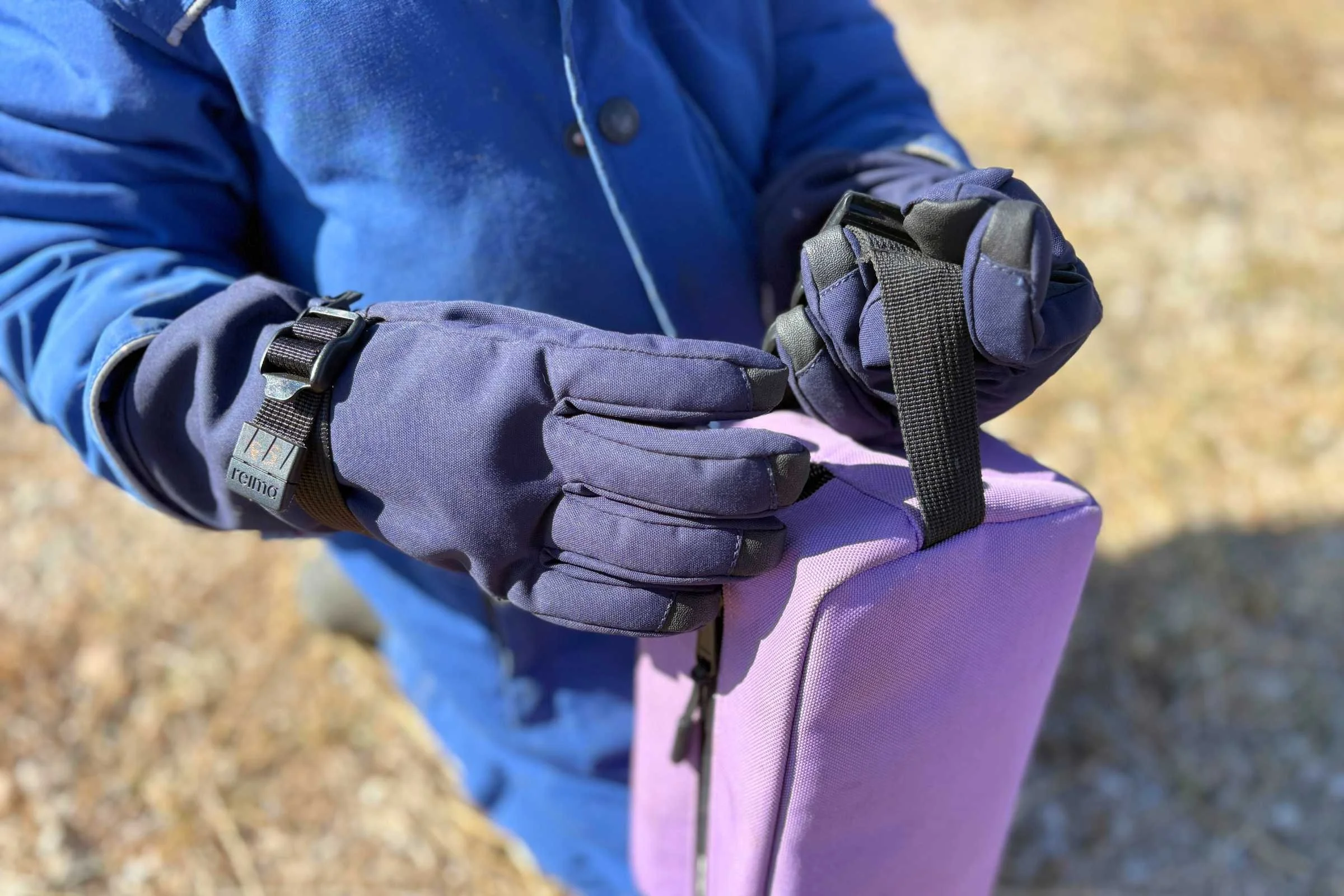
Even for gloves, the Reima Tartu offer good dexterity to be able to grip snacks and shovels
-
The Tartu gloves are insulated with recycled polyester PrimaLoft and waterproofed by a Hipora insert. Although these gloves aren’t as warm as Reima's Ote mittens, they still kept hands warm in chilly conditions (about 20 degrees) while playing in the snow due to the insulation, soft fleece lining, and high windproofing and waterproofing.
-
Unlike some gloves, which can be extremely stiff, the Tartu ones are on the thinner side and extremely flexible. Dexterity isn’t compromised at all with these—kids were easily able to grab their backpacks, unzip and take out their lunch or hold a snow shovel. The entire palms, fingertips, and thumb are also reinforced, so we saw no wear and tear during our testing. We have also had Reima gear around for years as hand-me-downs at school.
-
In addition to the reinforced palms, fingertips, and thumbs, another great feature for kids: the gloves have a clip to secure them together and a wrist strap to keep out wind or snow.
-
These gloves are high quality, reasonably priced, and durable. Although we didn’t test these with kids while skiing, the dexterity and windproofing seem like they could easily be a top choice for kids who need a comfortable, warm glove on milder days on the mountain, too.
Best affordable kids’ mittens: SnowStoppers Original Extended Cuff Mittens
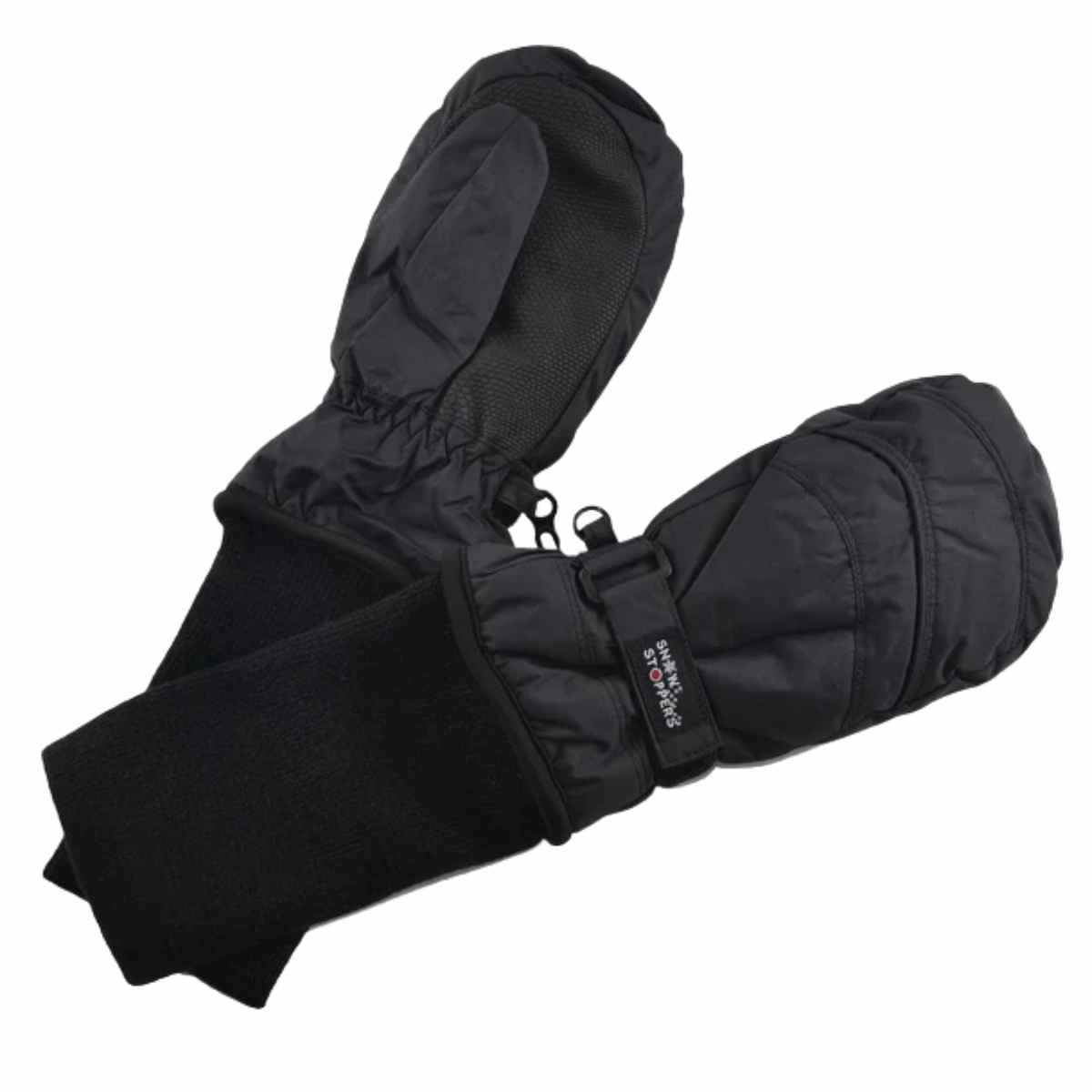
Price: $19.50
Type: Mittens
Insulation: 40 grams Thinsulate plus 100 grams Polyfill
Waterproofing: Waterproof outer shell and Drypel liner
Warmth: Medium to high
Dexterity: Moderate
What we liked: Good warmth for an affordable price; long gauntlet to keep mittens on and snow out
What could be better: The extra-long gauntlet isn’t all kids’ favorite
The SnowStoppers Winter Mittens are ideal for children of all ages whose gloves or mittens just can’t stay on. Additionally, they are extremely affordable and still provide good waterproofing and warmth.
SnowStoppers Original Extended Cuff Mittens
-
As a Forest School teacher in Colorado, one of our authors often recommends these mittens to parents as a solid backup option or for those who prefer not to spend much. Even at an affordable price, the SnowStoppers keep kids' hands warm and dry during regular snow play in temperatures in the mid-20s and above. If you are playing in really wet snow (or dipping these into a creek as some of our testers’ students do), water will get through.
-
These are also extremely durable. Yes, they have some wear and tear after a season, but we’ve had a few pairs of these mittens for years, and they still keep kids warm and comfortable, even while climbing trees or building a snowfort. You can also get these in a gloves version for $24.
-
Because of the extra-long cuff, they take a bit more adult help to get on, as the cuff has to be pulled tight and up toward the forearm. Usually, these are easiest to put on before the jacket and then layer under, but we’ve also had kids who prefer the stretchy cuff over the sleeve.
-
These mittens offer plenty of warmth at an affordable price. There is also a higher-priced SnowStoppers mitten and glove that is similar in style, but has 70 grams of Thinsulate for more warmth, 120 grams of Polyfil, and is made from a more durable shell.
Warmest kids’ winter gloves: REI Co-op Timber Mountain Gloves
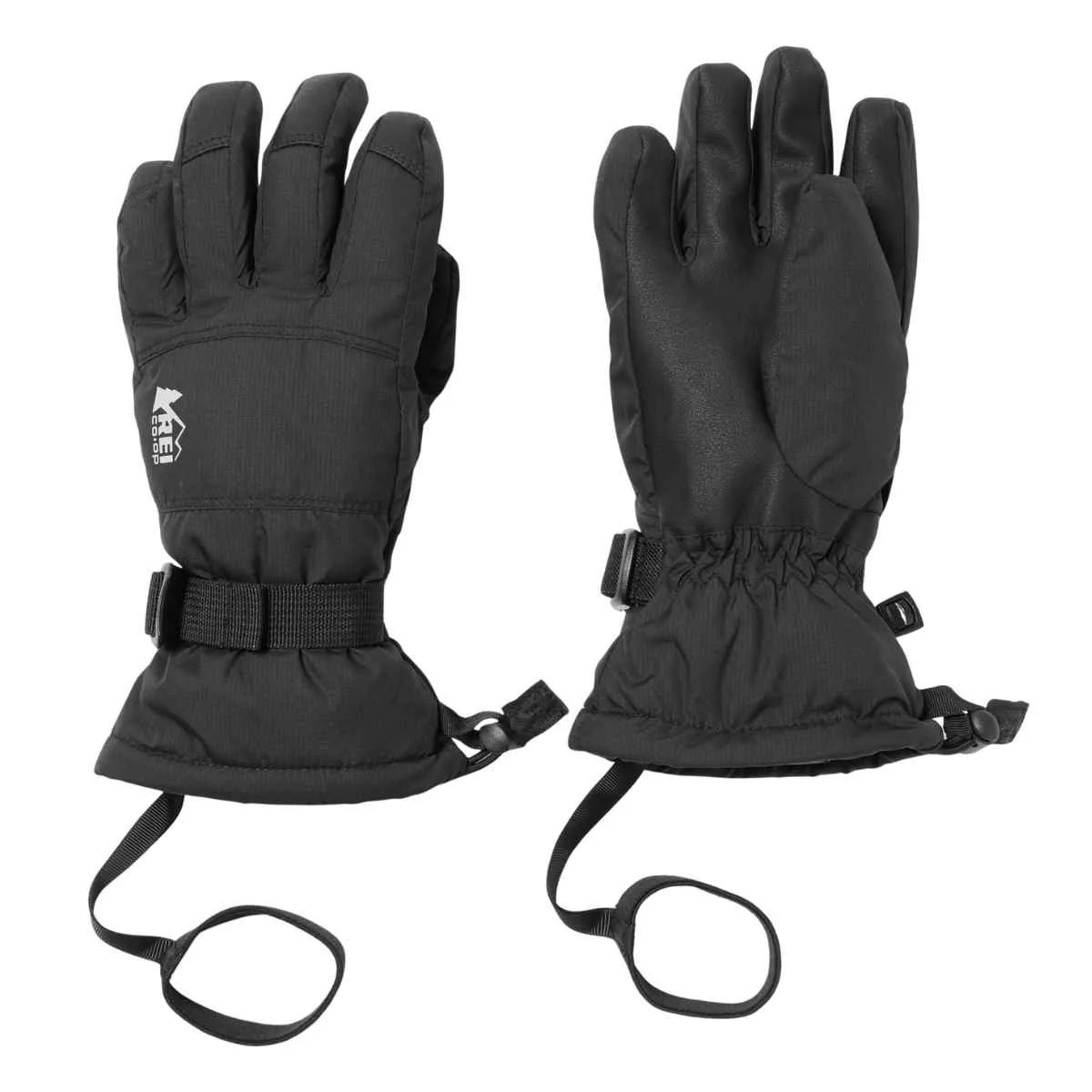
Price: $40
Type: Glove
Insulation: Synthetic
Waterproofing: Waterproof/breathable insert
Warmth: High
Dexterity: Moderate to high
What we liked: Affordable price for a high-quality, warm and waterproof glove
What could be better: No pull tab to help get them on
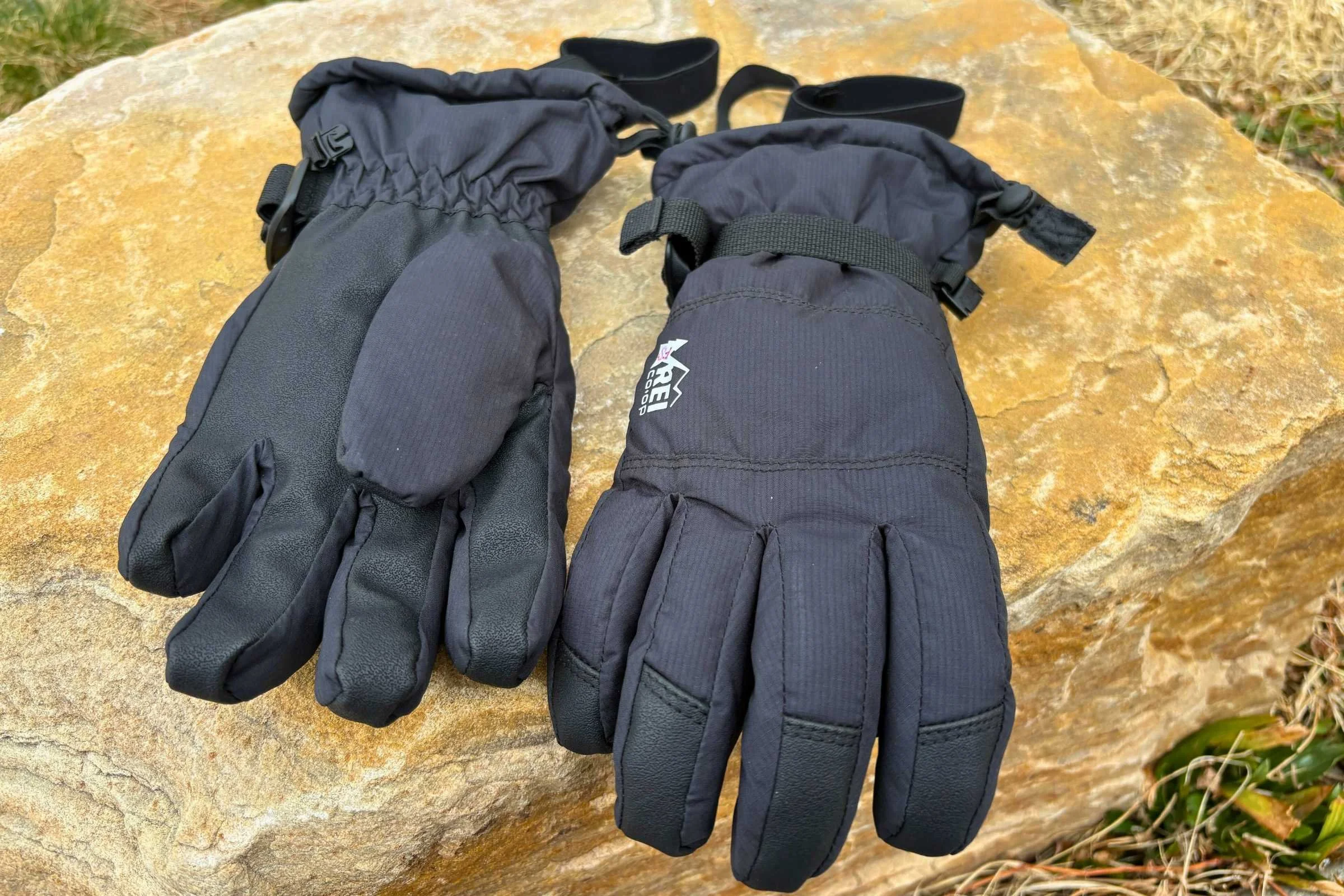
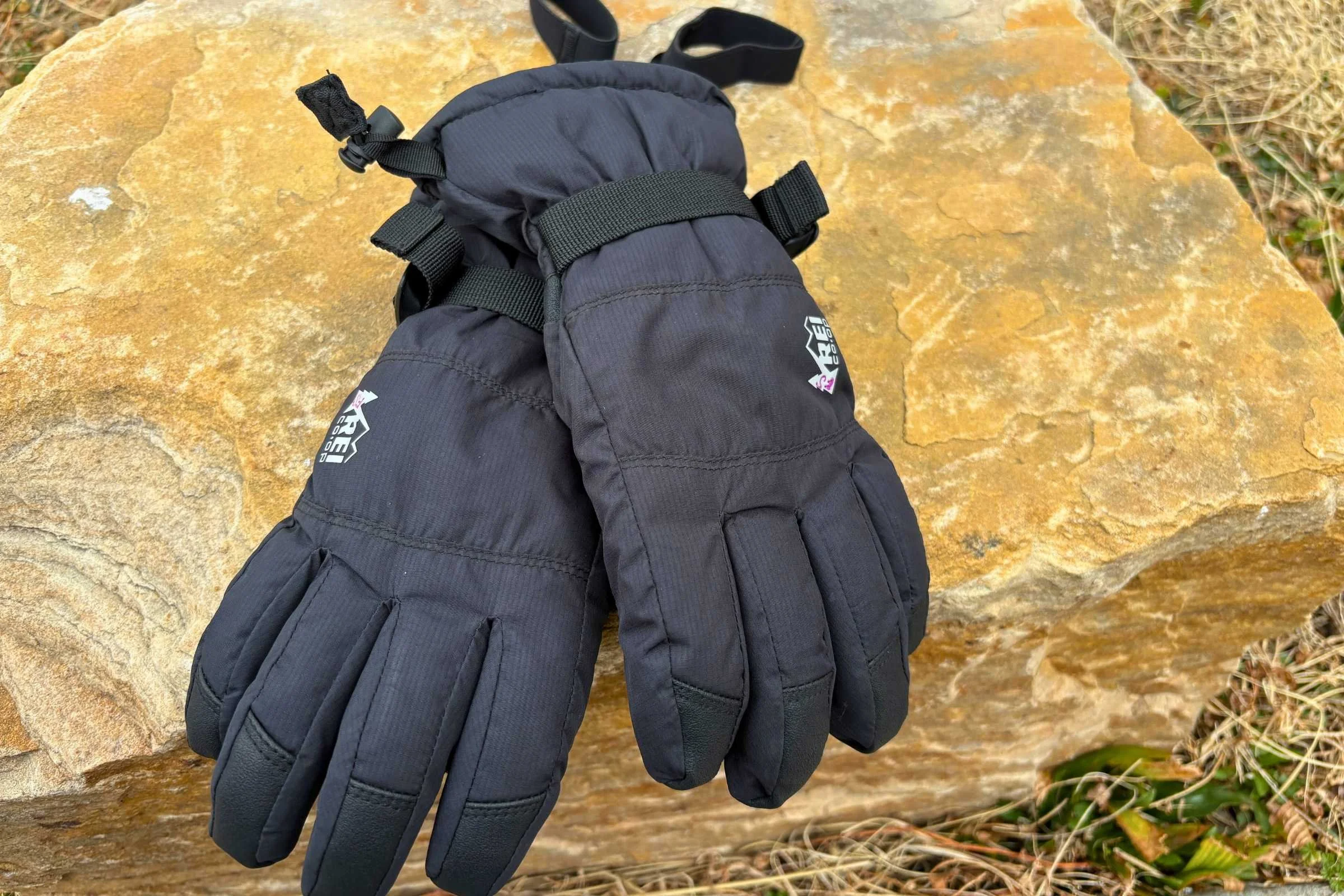
If your child runs cold or goes hard no matter the conditions, the REI Co-op Timber Mountain Gloves are going to keep everyone warm and happy.
REI Co-op Timber Mountain Gloves
-
With the available sizing, these are designed for about four-year-old kids and up to almost adult-sized hands. The younger end of that range can wear these and be fine, but given the specific features and slight dexterity loss, we’d make these a go-to for six-year-olds and up who have the hand strength to manipulate these thicker gloves. The gloves are easy for older children to manage solo; they won't struggle with misaligned fingers.
-
These are very warm gloves, with insulation from the gauntlet to the fingertips. The inside is lined with some of the softest fleece we tested for gloves, which adds to overall comfort and warmth. That, along with the polyester insulation and a waterproof, breathable, windproof insert, made for gloves that withstood strong winds and cold snow, which meant our little kid testers could play for longer in the snow without complaints. Even when temperatures were in the mid-twenties, everyone (including teachers and parents) was happy with the little hands staying completely dry and extremely warm.
-
These gloves offer several features that make them ideal for older kids who might use them for skiing or hard-charging sledding. There is a detachable wrist leash to keep these attached to the body, even if your child takes them off. There is also a cinch at the bottom of the gauntlet and a wrist strap to keep heat trapped inside and prevent cold air from leaking in. Clips attach the gloves together, and the entire palm and fingers are reinforced with a grippy, synthetic leather layer.
-
The REI Co-op Timber Mountain Gloves offer the best warmth, especially for the price, making them a great value.
Best winter gloves for toddlers: Hestra Baby Zip Long Mitt
Price: $70
Type: Mitten
Insulation: Primaloft Gold
Waterproofing: Weather-resistant polyester, PU grip on palm
Warmth: High
Dexterity: Low
What we liked: Easy to put on, stays on well, warm, reflective detail
What could be better: Not fully waterproof
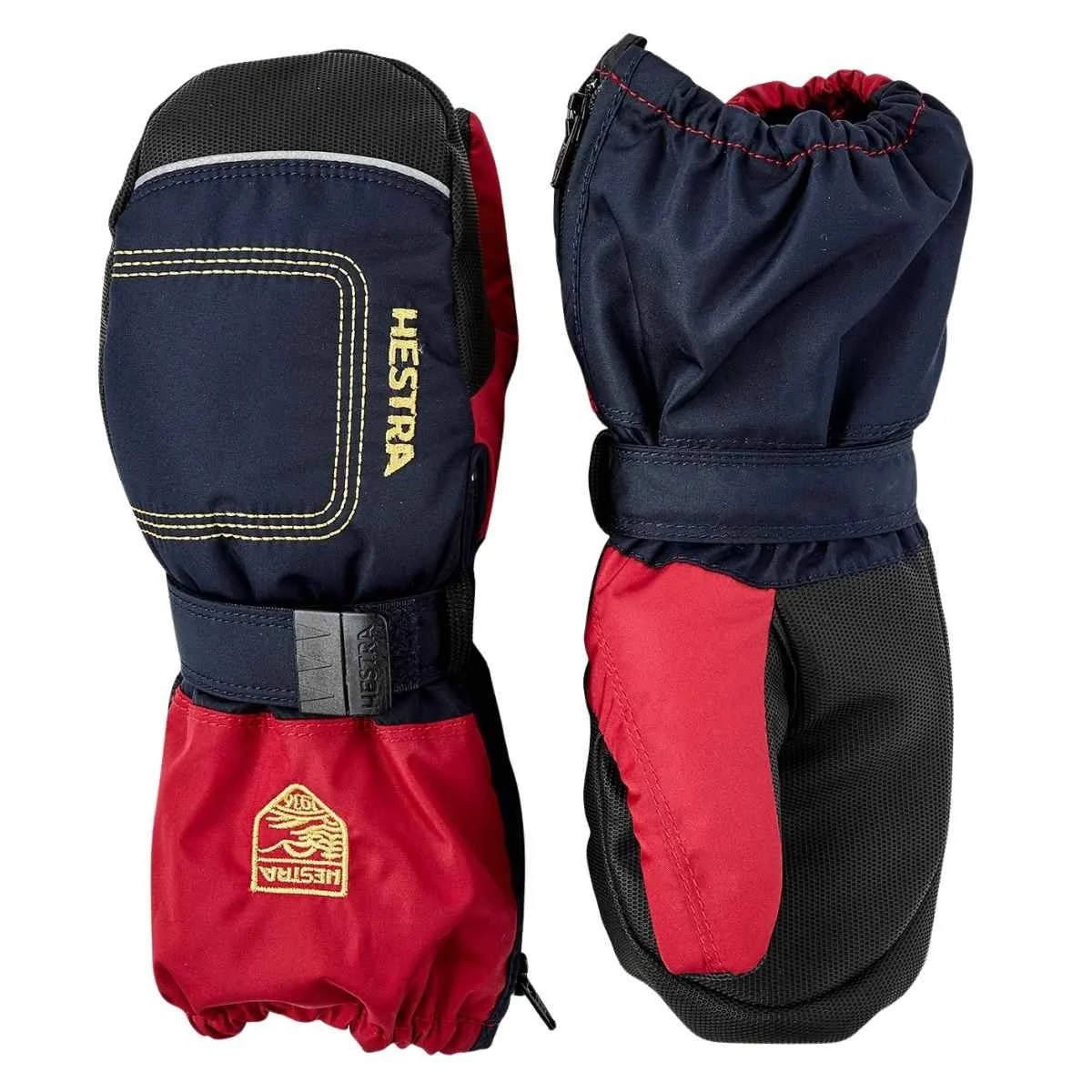
One of the toughest aspects of dressing toddlers for cold weather is that they’re still pretty tiny, but they're also a whole lot more active than an infant. Finding a pair of gloves that was easy enough to slip on to a wiggly toddler that then stayed on and stayed warm was a challenge, but we found a pair that does just that and does it well. The Hestra Baby Zip Long Mitts were the perfect mittens to stand up to the challenges a rambunctious toddler in the snow presents.
Hestra Baby Zip Long Mitt
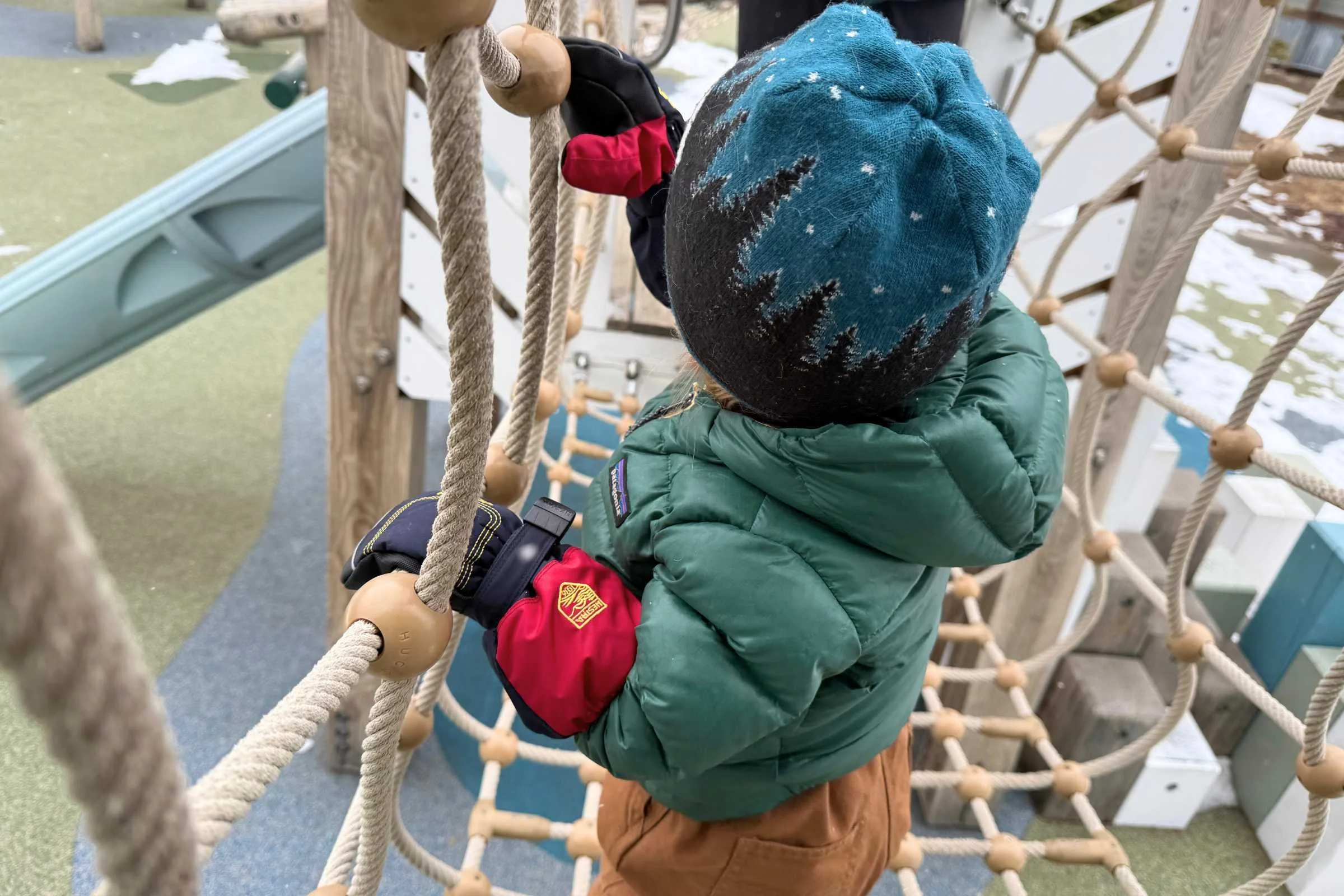
The Hestra Baby Zip mittens are easy to help your toddler get on so they can keep playing.
-
Thanks to the zipper on the side, they’re easy to get on properly, and then—critically—they stay on, from the sledding hill to the ski hill, across the park rope bridge, down the bike path, and back home. For older kids who can mostly put on a pair of mittens by themselves, these can be a bit annoying: once they have both on, they usually can’t use the zippers and need adult help.
-
The Hestra Baby Zip mitts have a tough polyester shell that’s plenty weather resistant for most winter adventures, though it’s worth noting that they are not completely waterproof. They are filled with Primaloft Gold synthetic insulation and have a soft fleece lining. The side zip is what makes these mittens really shine though. With this feature, these quickly became the easiest full mitts to get on our toddler tester. They kept his hands plenty warm and dry on snowy days at the park, on the sled, and at the ski resort.
-
While these are on the pricey side, we think these would work well to buy big when your child is still a baby (though they won't be useful for newborns) and they can use them while the mittens are a little big and then grow into them for ideal use in their toddler years—they’re certainly durable enough for that.
Best winter gloves for wet weather: Reima Puro
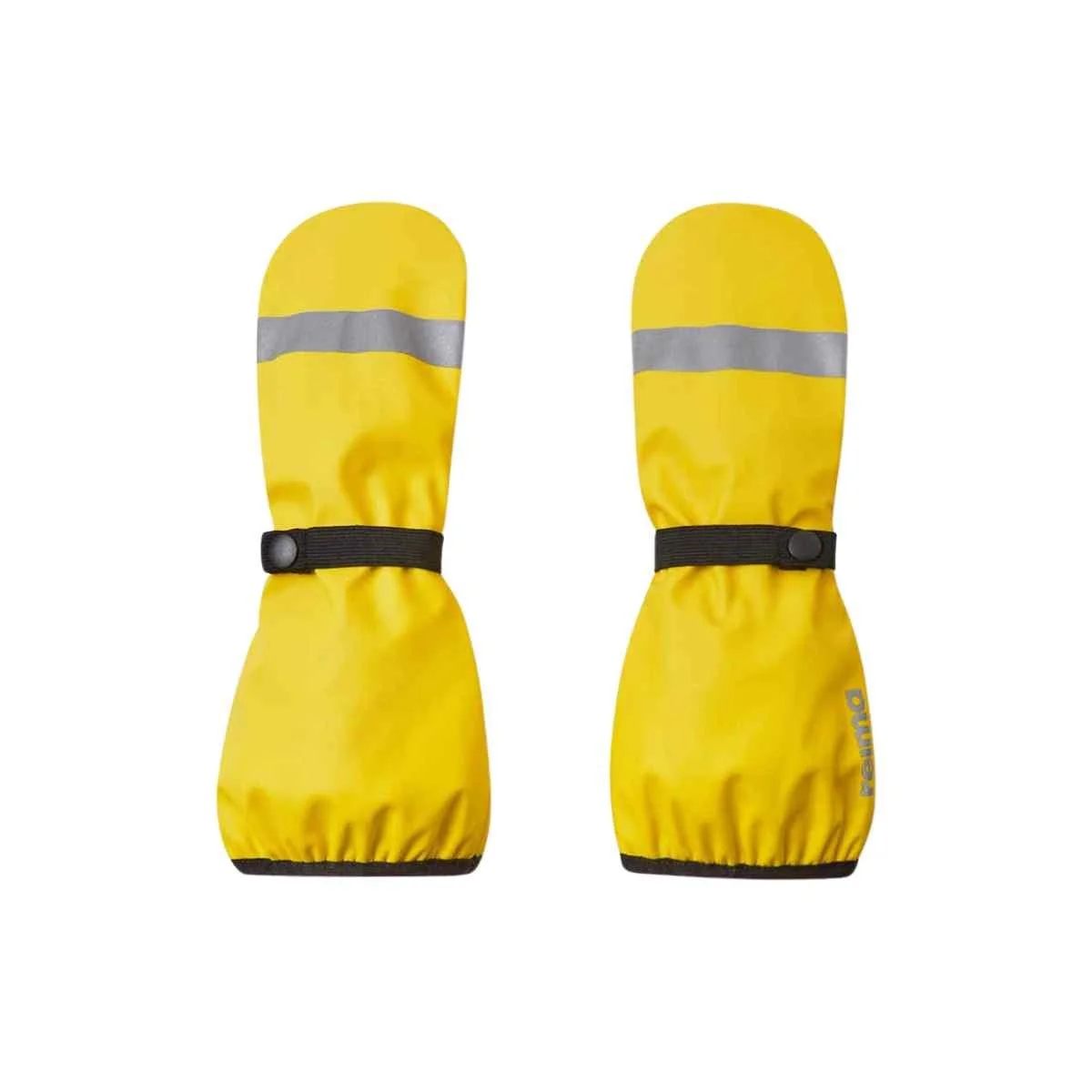
Price: $25
Type: Over-the-cuff mitten
Insulation: None
Waterproofing: High
Warmth: Low
Dexterity: Moderate
What we liked: Completely waterproof even in extremely wet weather, great for layering on top of insulating gloves, affordable
What could be better: We wish the cotton lining were wool for cold weather wear, not warm on their own
One of the biggest challenges to keeping a kid warm when playing outside in winter is to first keep them dry. And, depending on where you are in the world, some winter days are more wet than they are frigid. For those kinds of days, we reach for the Reima Puro mittens.
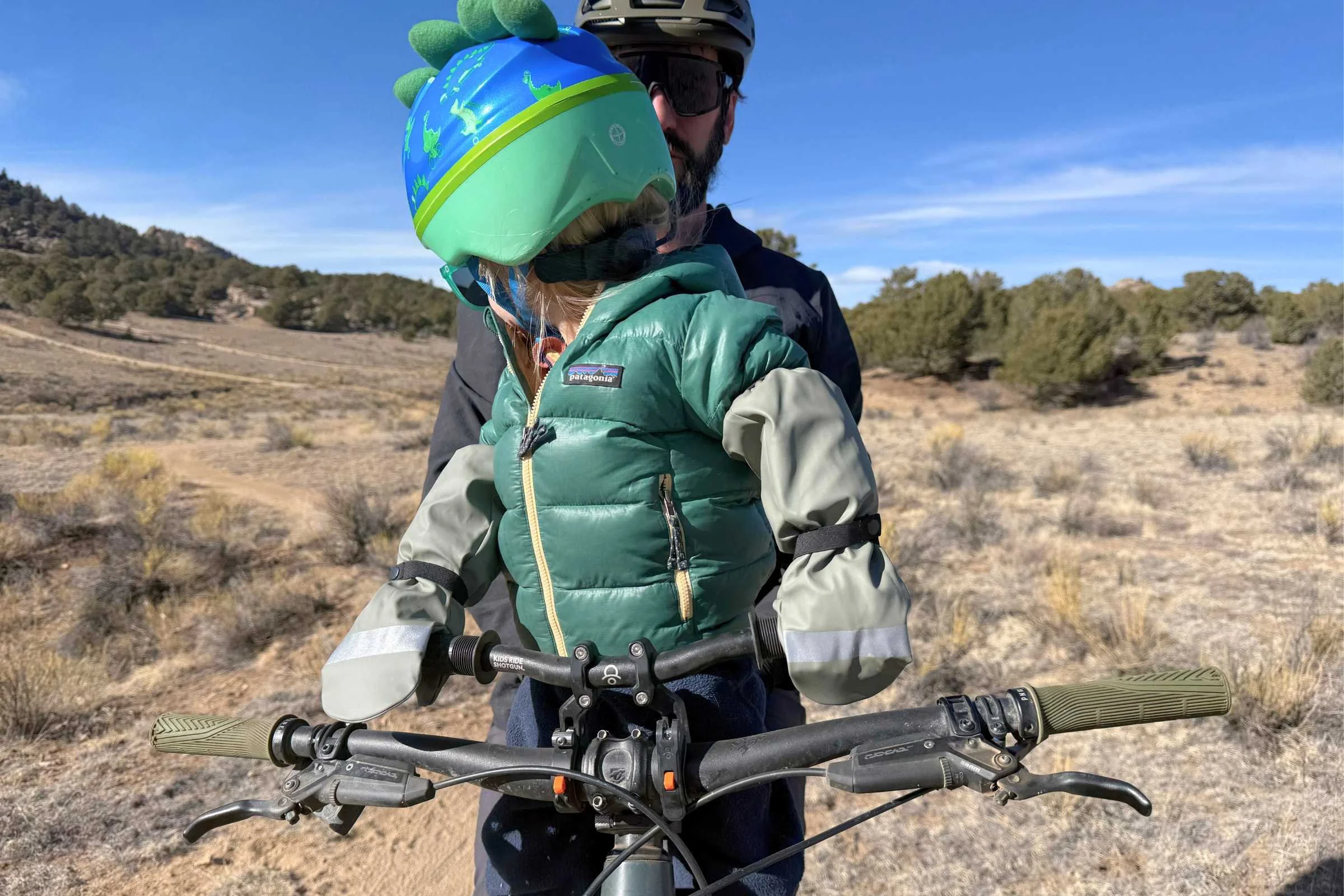
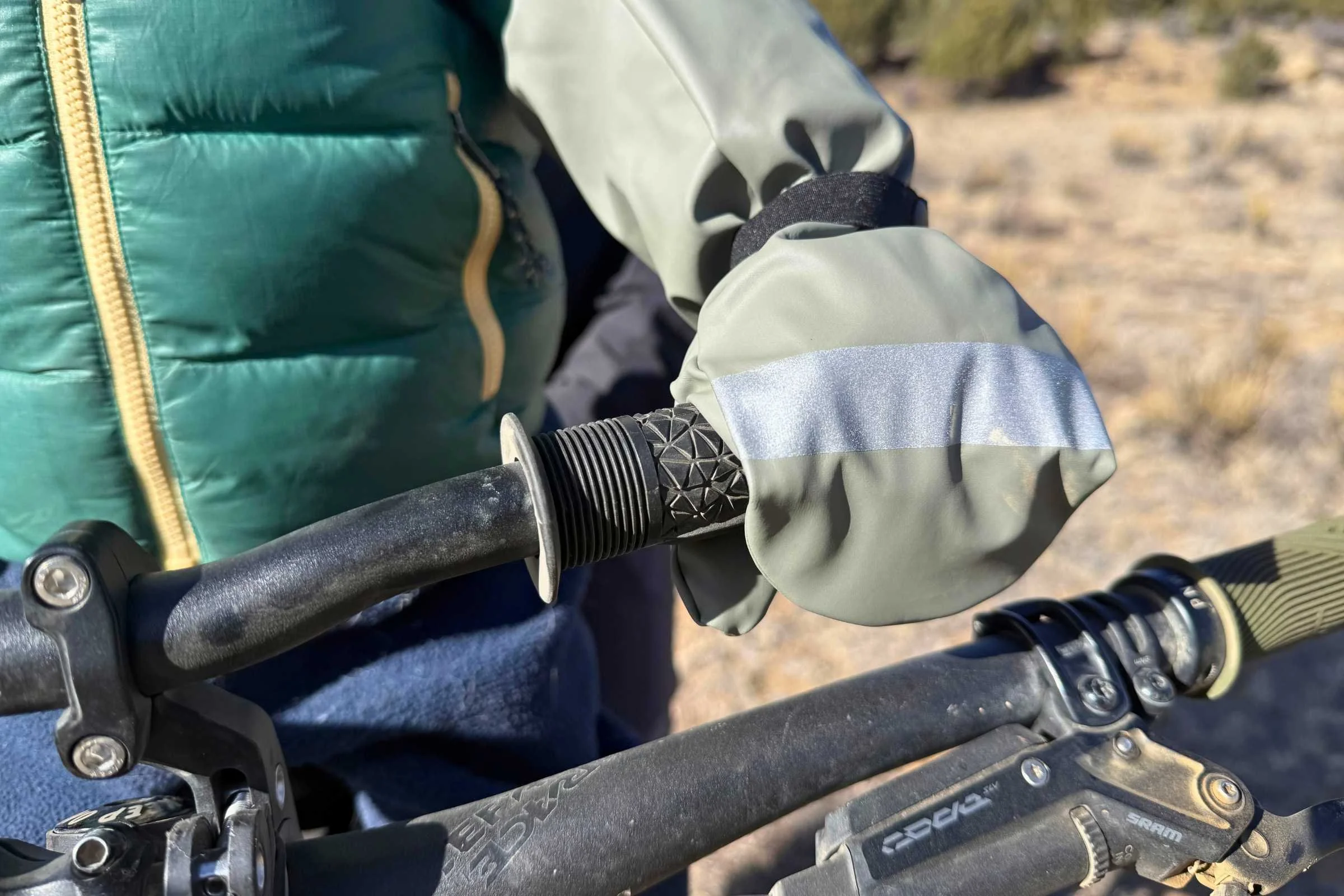
Our toddler tested these mittens on cool but not cold winter days while riding shotgun on mountain bike trails with his dad, and these were the perfect option to keep his hands protected from wind and precipitation. Older kids tested these, too, and they are a staple recommendation by their forest school teachers.
Reima Puro
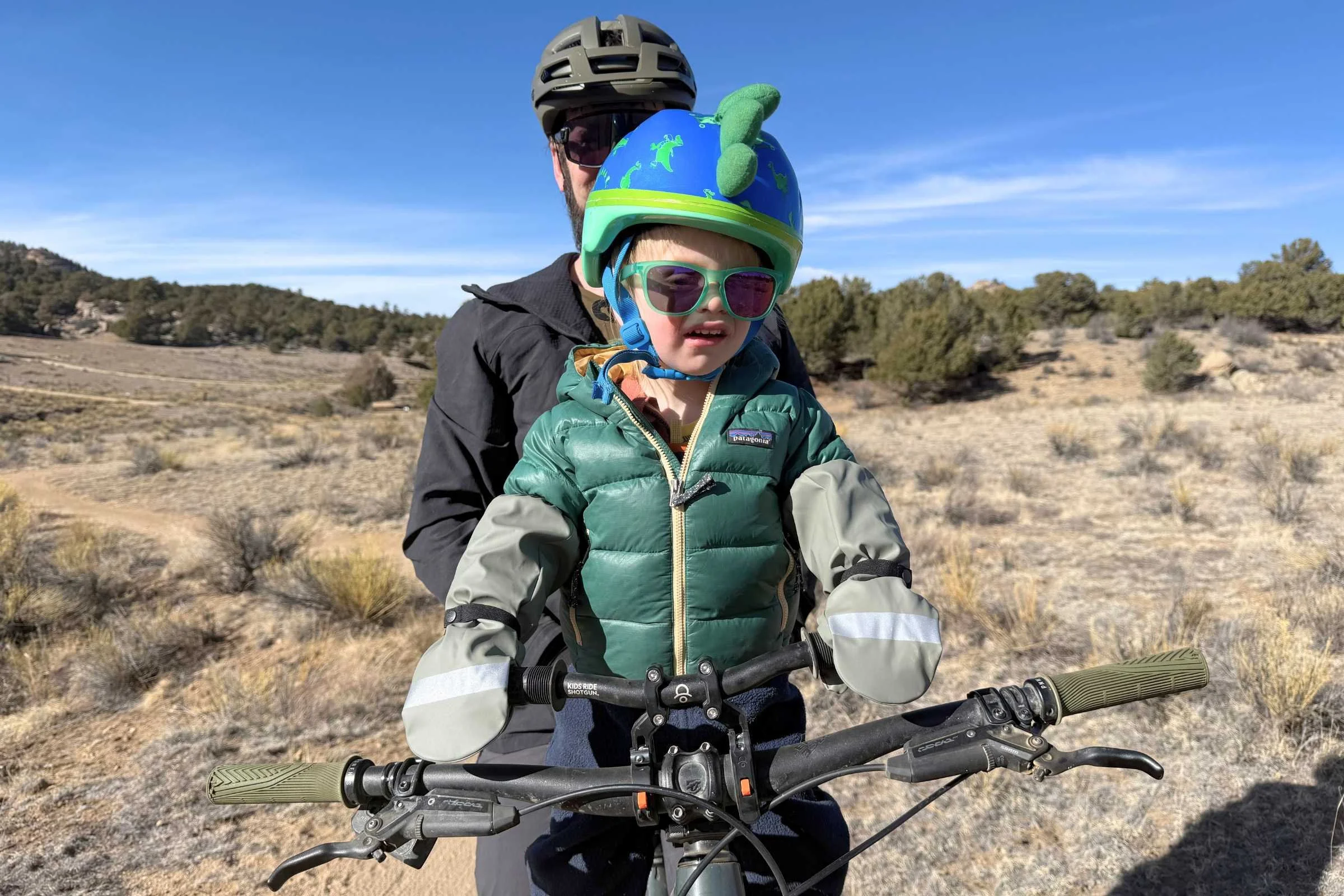
The Reima Puros are a waterproof, windproof mitten.
-
These waterproof shell-like mittens are excellent for keeping kids’ hands dry, above all else. Plus, they’re great for layering over top liner gloves or warm mittens that perhaps aren’t waterproof. We had both toddlers and school age kids test these, and we’re thoroughly impressed with their performance and usefulness.
The Reima Puro mittens are made with a fully waterproof PU-coated polyester that’s constructed with welded seams. That makes these like the texture of a classic rain coat—imagine that rubbery, completely waterproof material. And the large upper cuff comes up to the elbows to really seal out any water, keeping both hands and forearms dry.
-
There is no insulation in these mitts, but they have a thin cotton lining for comfort. While we wish it were wool, since cotton is less ideal for winter weather, we found this wasn’t an issue on cold days as long as a wool liner glove was worn underneath. These mittens also feature a strap that secures around the wrist and a large stripe of reflective material.
-
With the right sizing, the mitts can fit over insulated gloves or mittens while providing complete waterproofing, which is not always the case, even with gloves that claim to be fully waterproof. Because of the water protection and the soft lining, they are also great for shoulder seasons when an insulated mitten might be too warm, but water-resistant liner gloves will get soaked quickly.
Even if you opt for another pair of winter gloves or mittens in this review, we think these are a great addition to any kid’s winter apparel arsenal. They’re a versatile, incredibly useful, and affordable option to ensure your kid’s hands stay dry while they’re out having fun.
Other kids’ gloves we tested
HEAD Junior Ski and Snowboarding Mittens
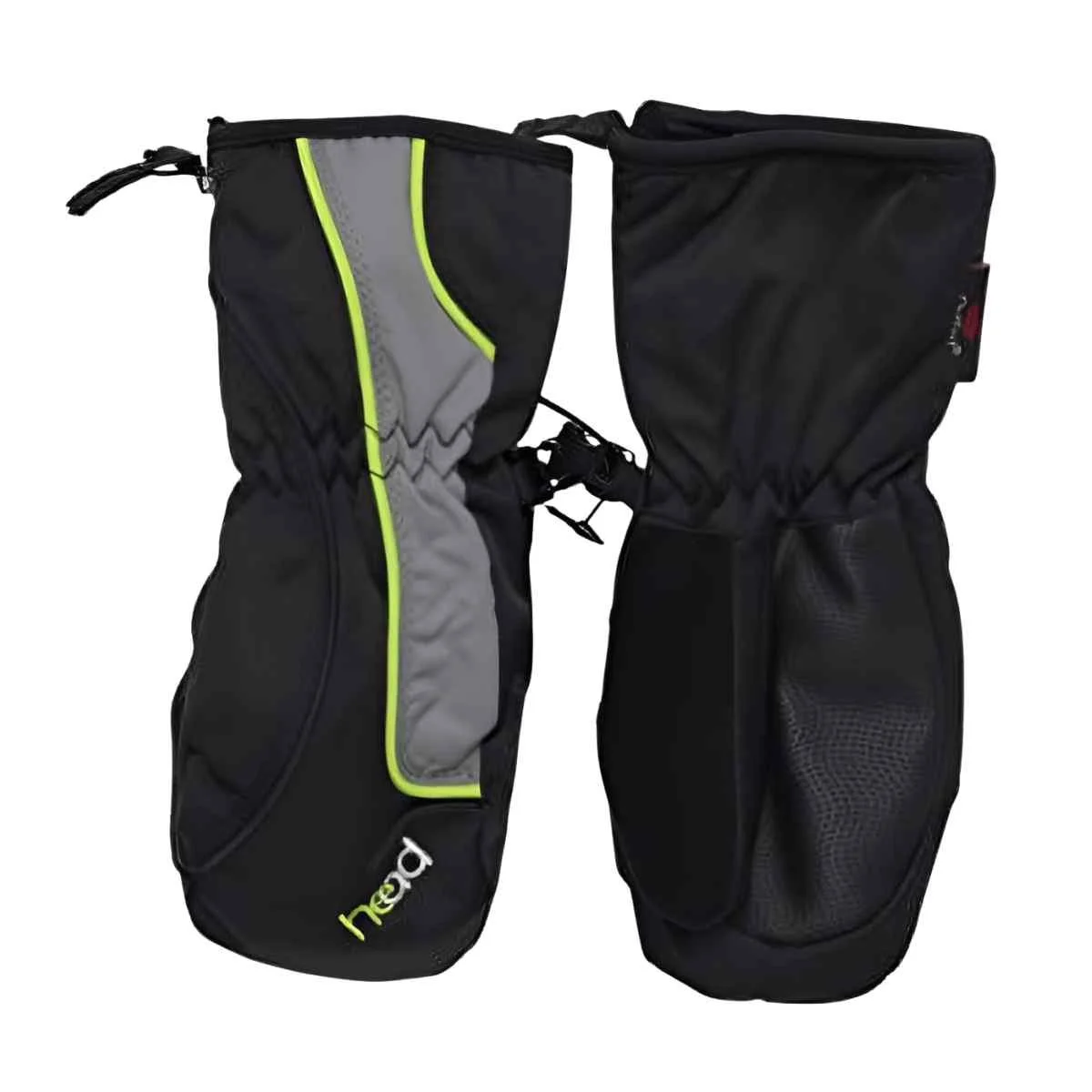
Price: $17
Type: Mittens
Insulation: Renewably sourced fiber; DuPont Sorona Insulation
Waterproofing: Waterproof/windproof insert
Warmth: Medium to high
Dexterity: Low to medium
What we liked: Durable quality for an affordable price
What could be better: Not as waterproof or warm as high-end mittens
If your child loses their mittens weekly, the HEAD winter mittens for kids are a great compromise: affordable and still perform well. You can get these on Amazon or at Costco for less than $20 a pair. Even at the low price, they perform well for general winter use and playtime.
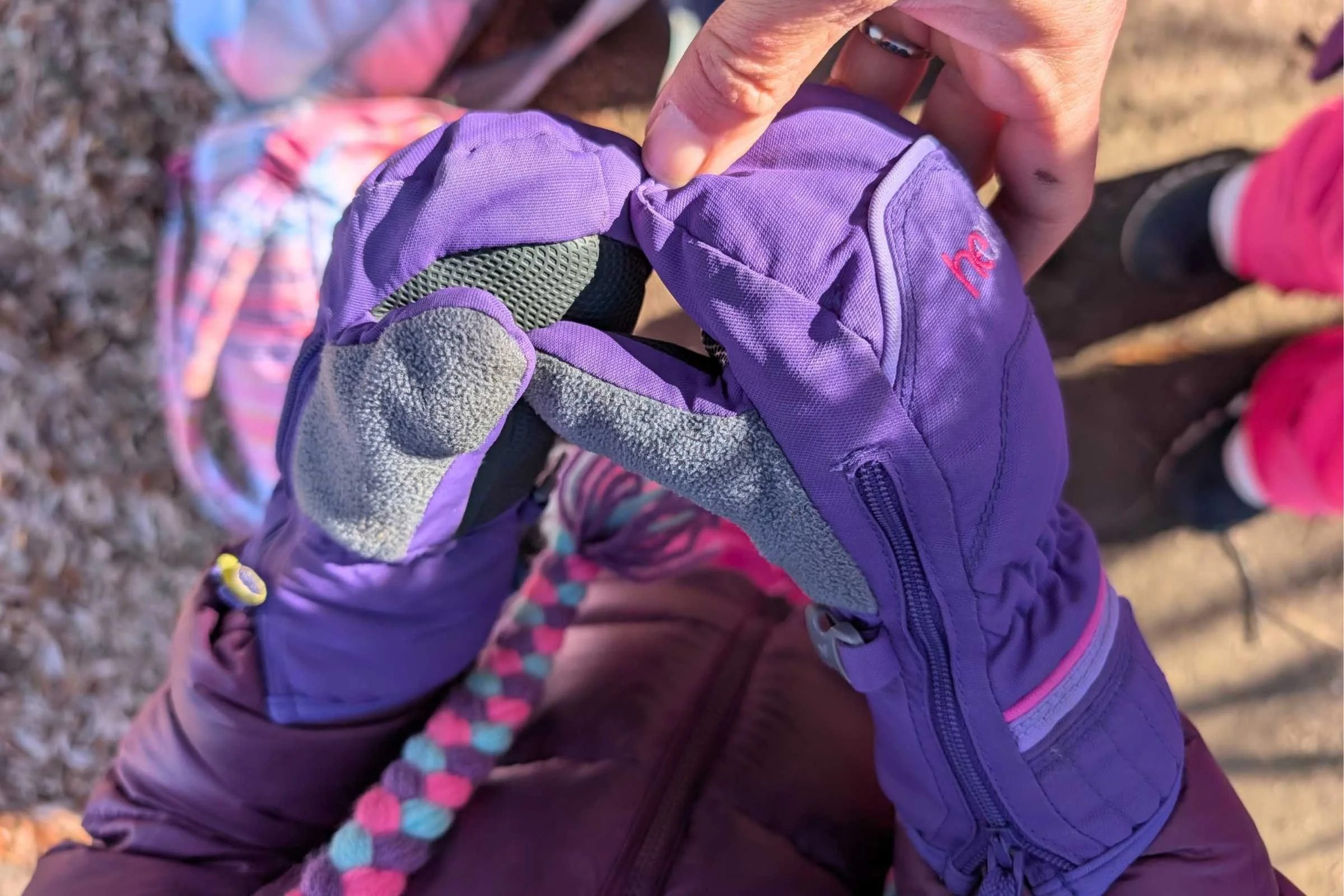
As a Forest School teacher, these are the mittens we have students borrow when they forget or lose theirs, and our lending pairs have lasted years. They are lined with an extremely soft fleece even to the edge of the medium-length cuff, provide good warmth and waterproofness for play in snow, and are easy enough for kids to get on; these do have a full-length zipper, so an adult does have to help zip the second mitten, which makes these less independent for littles.
Ultimately, we chose the SnowStoppers Winter Mittens as the best affordable option because of the extra protection from the long cuff and a slight loss of dexterity with this pair, though they are still a great option for keeping fingers warm and dry.
HEAD Junior Ski and Snowboarding Mittens
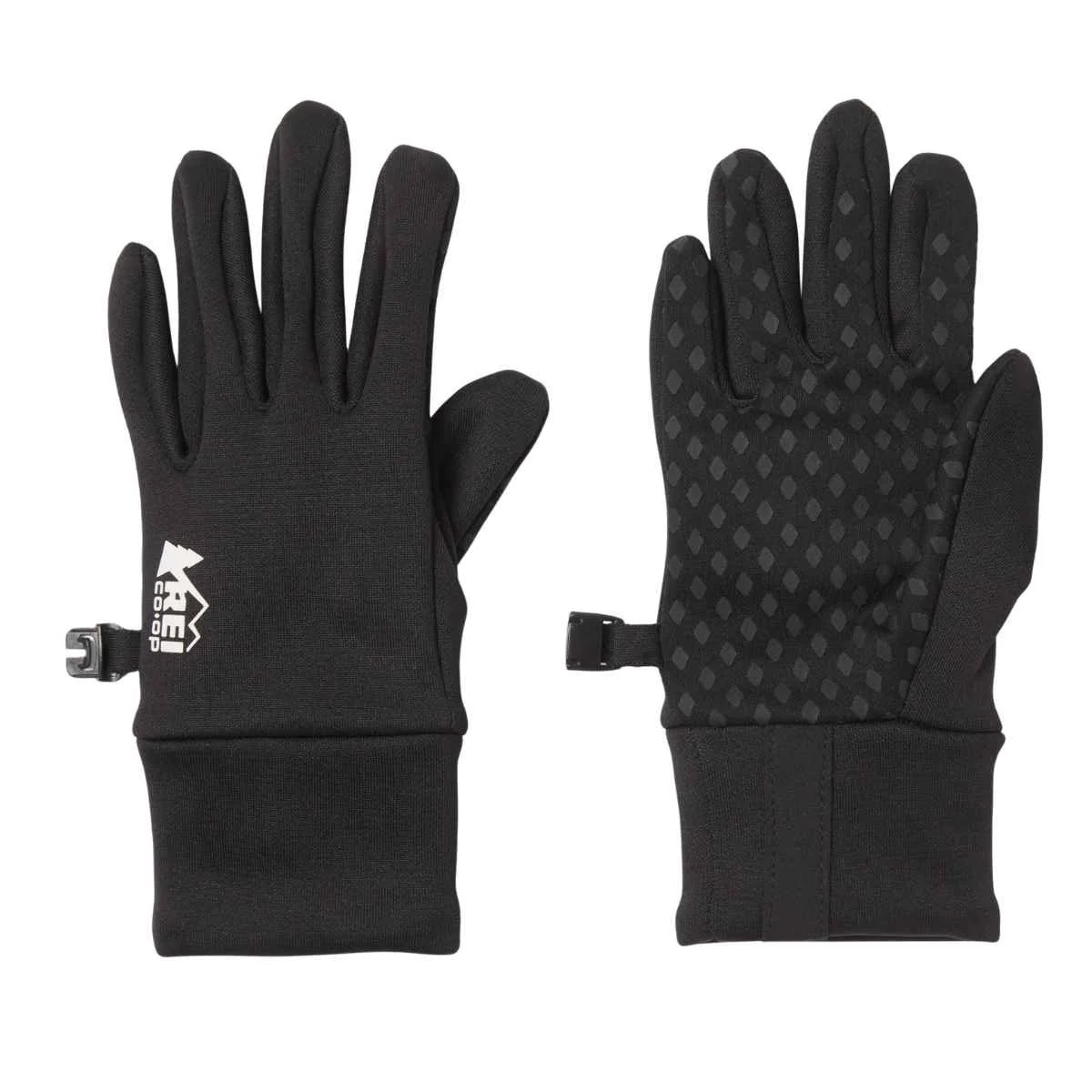
Price: $25
Type: Liner gloves
Insulation: Stretch fleece
Waterproofing: Durable water repellent finish
Warmth: Low
Dexterity: High
What we liked: High dexterity, great as a liner option
What could be better: Not waterproof or very warm
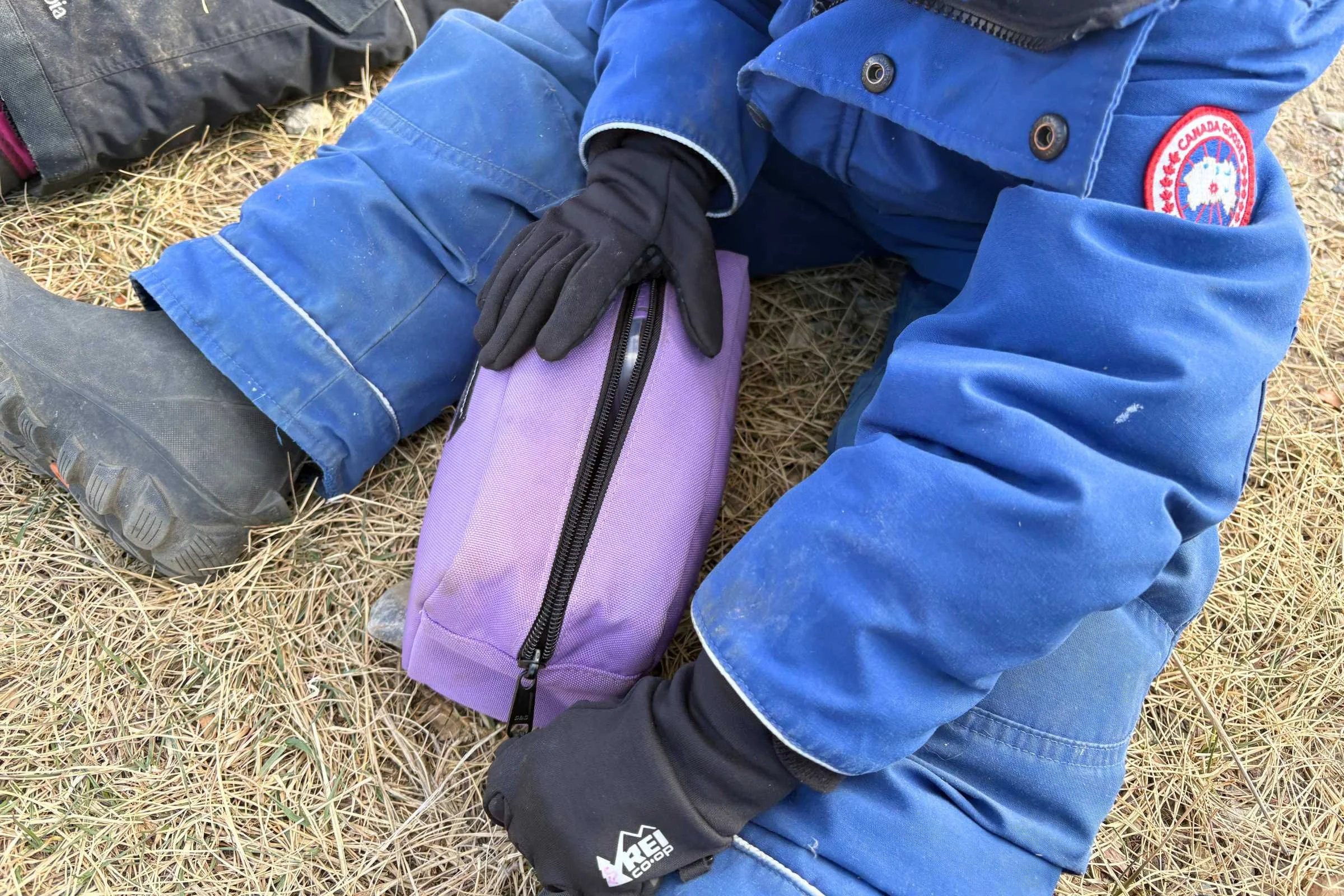
The lightweight Flash Gloves from REI are not waterproof, but they work well as liner gloves under large mittens (like the aforementioned Reima Puro), for shoulder seasons or warm days, or when you need more dexterity during activities.
When teaching in the outdoor classroom in Boulder, Colorado, students are required to wear a liner glove like this one to keep their hands warm during outdoor snack and lunch breaks. They are easy to put on and take off due to their slight stretch, and only require a few adjustments to get their little fingers into the correct position. There is also a clip to attach them, so you can keep track of both, and the palms have a grippy print to aid in play and in grabbing tools or shovels.
Because they are neither waterproof nor insulated, these gloves will become wet quickly when used in snow. They do have a durable water-repellent finish and are made from wind-resistant fleece, so they will provide some protection from mild elements.
REI Co-op Flash Gloves
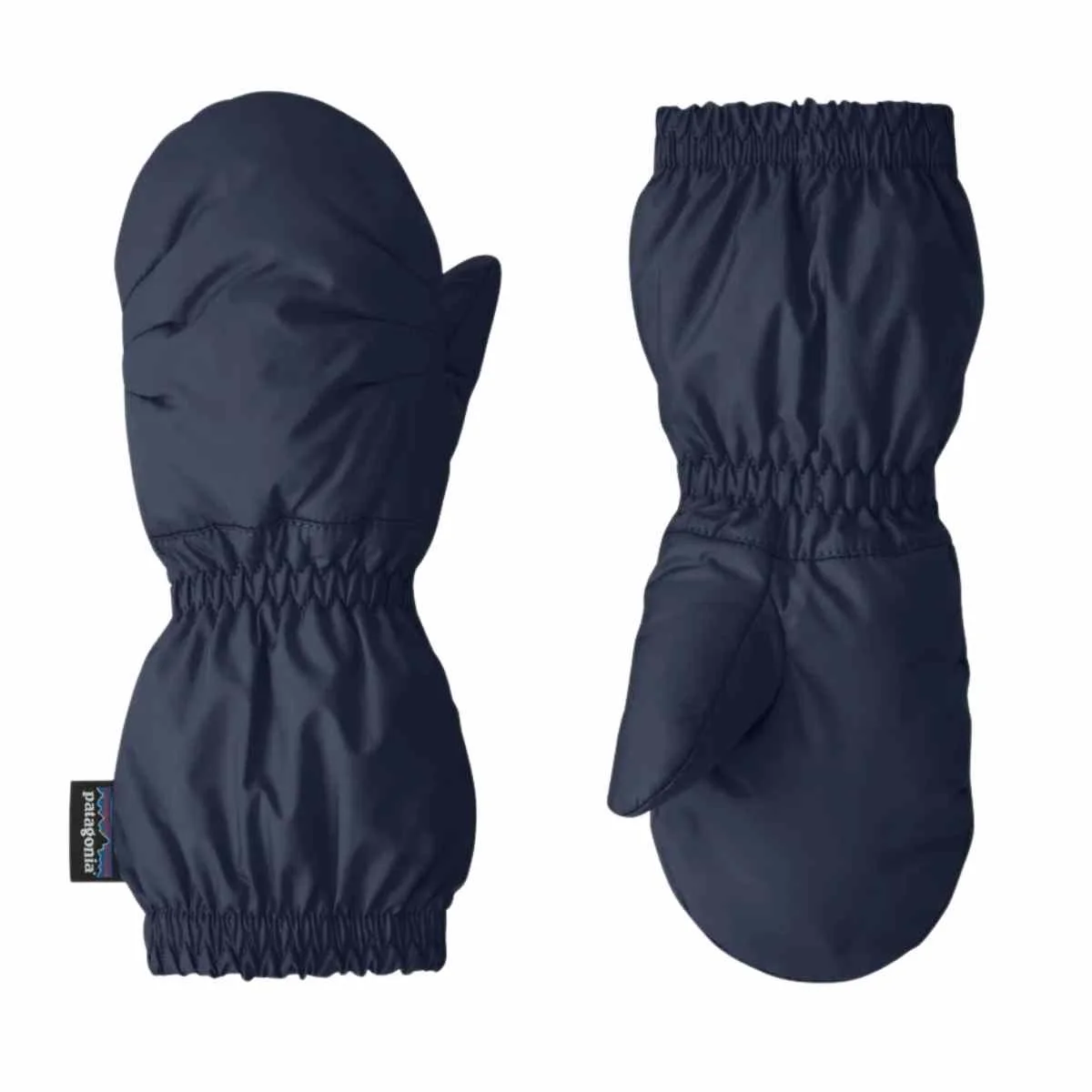
Price: $45
Type: Mitten
Insulation: Thermogreen recycled polyester
Waterproofing: Water-resistant
Warmth: High
Dexterity: Low
What we liked: Warm, sustainable materials
What could be better: Hard to get on and stay on, not fully waterproof
We like the warmth of the Baby Puff mittens and appreciate the use of recycled insulation and bluesign-approved fabrics. We did find these mittens a little challenging to get on our toddler tester, and they often slipped off while playing. For true babies who are mostly hanging in strollers or carriers, these are a good option. But active toddlers may be likely to lose a mitt mid-play.
Patagonia Baby Puff Mittens
What to look for in kids’ winter gloves
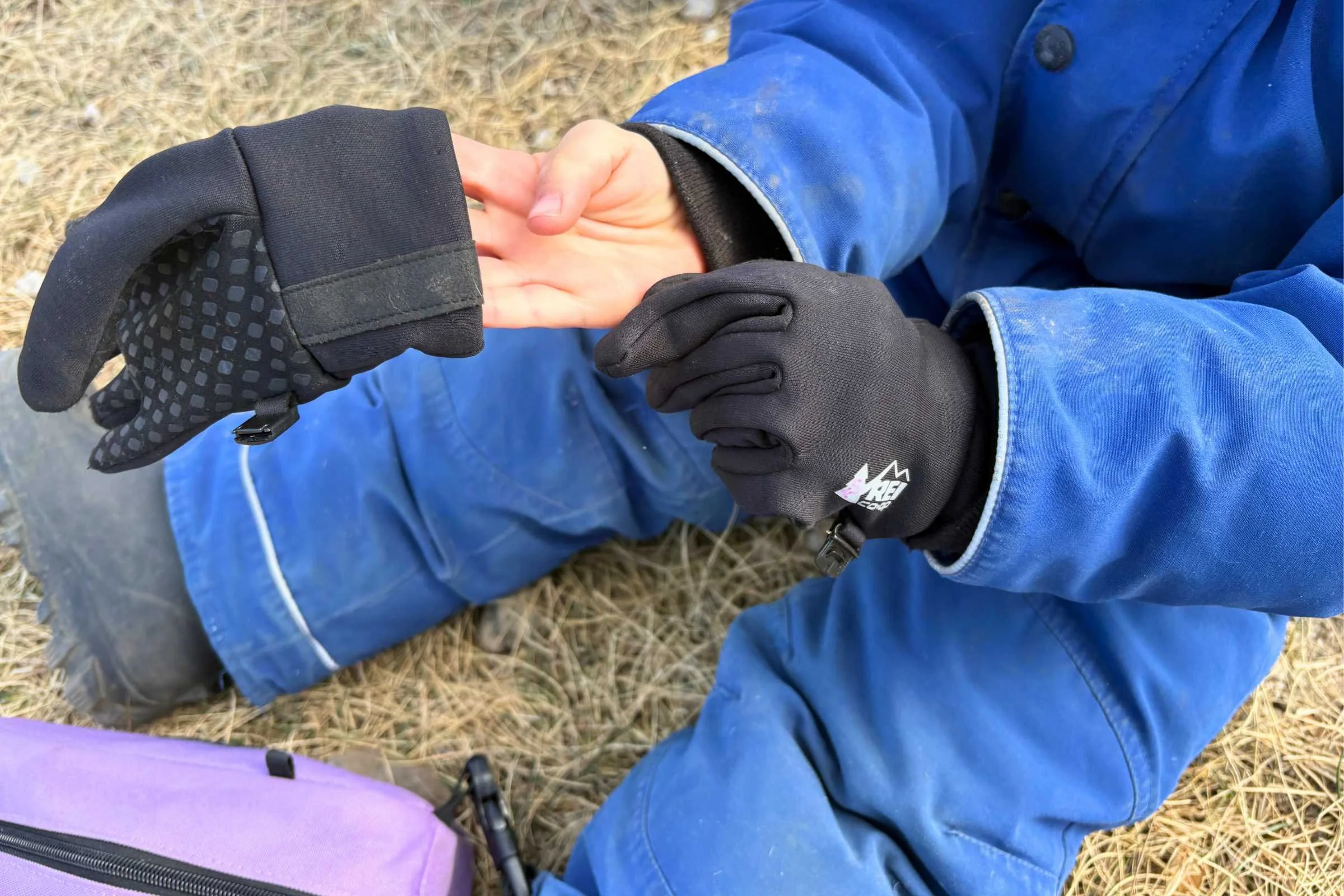
Gloves or mittens that kids can get on themselves help with independence.
Warmth
The warmth factor of a glove or mitten depends on insulation, windproofing, and waterproofing (more on that below).
When it comes to insulation, you’ll most often find synthetic insulation, like Thinsulate or Primaloft, paired with an extremely soft fleece inner so that the mittens feel very soft on the hand. Plus, synthetic insulation retains its warmth even when wet, unlike down insulation, which loses much of its insulating value when wet. More insulation is found around the palm and fingers, with less, but still some, around the cuff.
Many of the waterproof inserts or membranes also provide ample wind protection, which is another way that little kids’ hands can stay extra warm.
Waterproofing
Most toddler gloves or mittens are water resistant rather than waterproof, while older kids’ gloves and mittens are waterproof and windproof. For toddlers, if the mitts are made with a polyester shell (as opposed to fleece) they will have a durable water repellent (DWR) finish. Waterproof gloves or mitts for older kids typically have a waterproof membrane or an integrated waterproof insert between the shell and the soft inner lining. Mittens will fare slightly more waterproof, simply because of fewer seams in the overall construction.
Dexterity
Dexterity is a key factor to consider when buying kids’ mittens or gloves, because if kids can’t play, they will not keep them on. Mittens will be warmer but less dexterous, while gloves will be slightly colder but much easier to grip sled handles or hold ski poles. For younger kids, if they aren’t zipping up their own coats or properly using ski poles, mittens should work until they need those fingers to manipulate items, rather than just pop a hand around a sled edge or build a snow fort.
Fit and comfort
Gloves and mittens should not have too much extra length at the finger tips, about a half an inch or less. When gloves or mittens are too big, dexterity is severely compromised, even when wearing them. For toddlers, mittens are essential because they need to be able to get their hands in easily, with their fingers where they want them. Bigger kids will be able to shift their fingers into the right holes, mostly on their own.
Cuff style
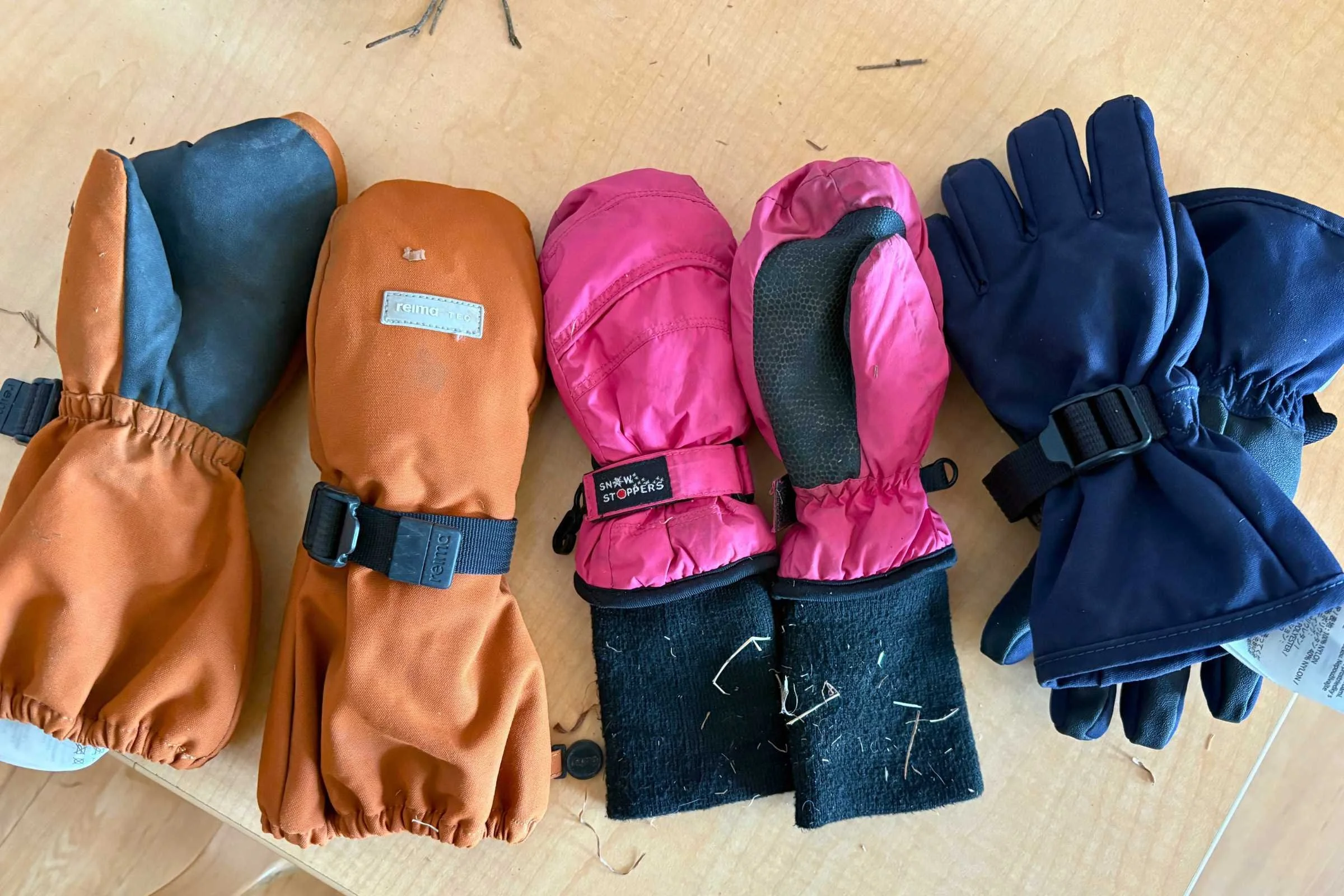
There are three different types of cuffs for kids’ mittens or gloves: gauntlet, short, and long.
Gauntlet cuffs are very long cuffs that cinch over a snow jacket sleeve on the outside and help keep deep snow and chilly wind out; most kids need help getting this on properly, with the gauntlet actually pulled properly up along the forearm.
Short cuffs can go under jacket sleeves and are easier for kids to get on, but don’t protect the wrist from snow or wind.
Another option for kids is the stay-on, long cuff variety, which has a stretchy, extra-long cuff (almost like a regular shirt sleeve) that goes underneath the sleeve jacket, almost up to the child’s elbow. These are usually put on first before a jacket and protect the wrists from the elements and are also much harder to fall off.
Features
Other features that kids’ gloves and mittens might have include wrist straps to keep cold air out, wrist leashes to keep the mittens or gloves attached to their wrists and not falling onto the ground or off the chair, nose wipes, pairing clips (which is a huge plus for storage and keeping track of gear) and tags that have enough space to write a child’s name for when they inevitably lose one at school.
Durability
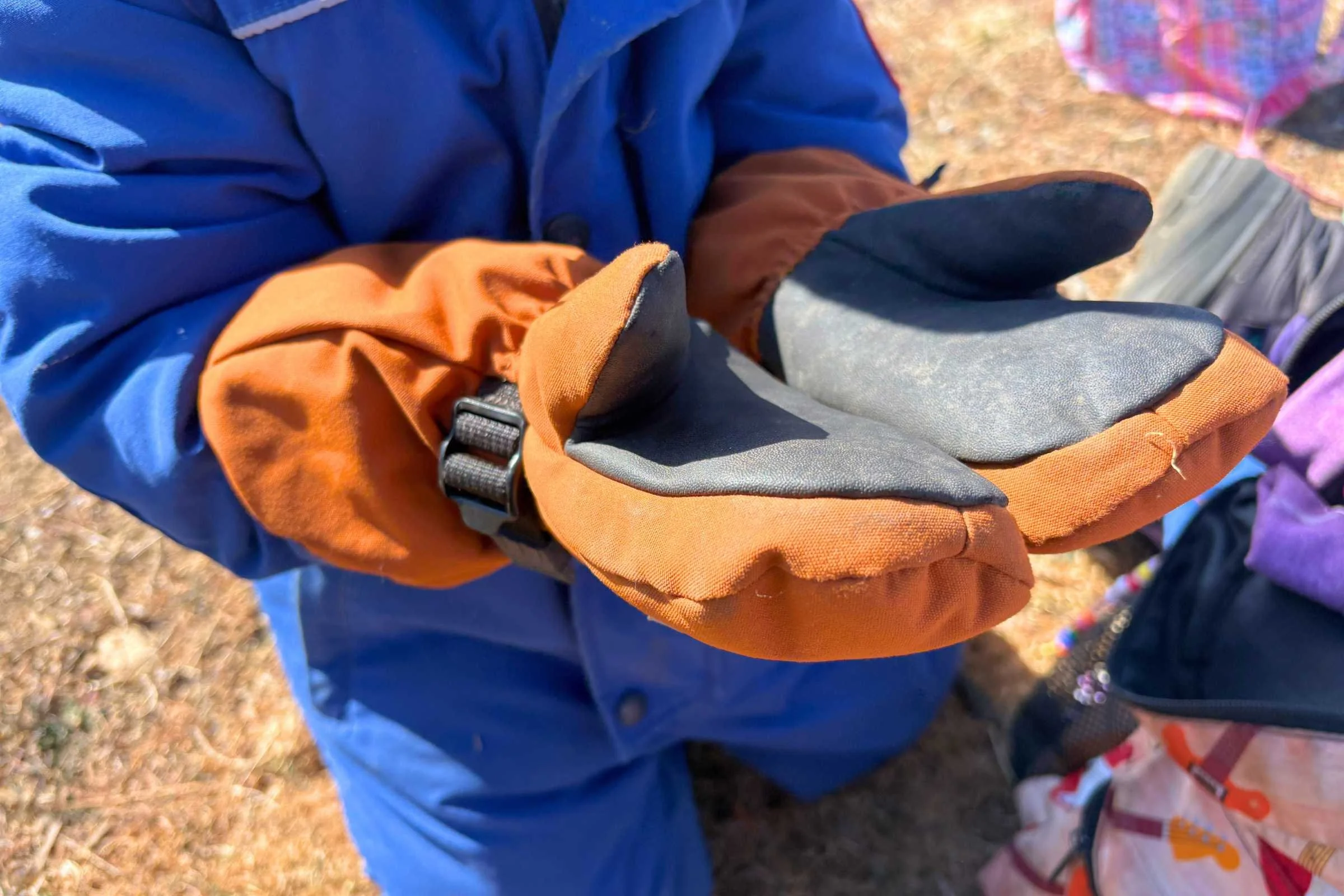
Kids’ mittens and gloves should arguably be more durable than adult options, but that isn’t always the case. Higher-end options feature reinforced palms and thumbs for intense sledding or ripping while skiing, while most others don’t.
Ease of on/off
The ability to put mittens on and take them off is a key factor in what pair to choose. For toddlers, you’ll want a larger opening to easily get their whole hand inside, then position it accordingly. Some toddler mittens have a zipper that runs the full length of the mitten, from wrist to fingers, so you can unzip the entire thing, stuff your kids’ hands in there, and zip back up for a secure fit. This is also found on some older kids' options, but not as many.
Older children can more readily manipulate their hands to fit into mittens or gloves. If you are opting for gloves, choose ones with a pull loop to help both adults and children get them on securely. If you have a child who often pulls their mittens off or is always losing one, look for mittens with stretchy, extra-long undercuffs (almost like a regular shirt sleeve) that go underneath the sleeve jacket up to the child’s elbow. This extra-long undercuff helps keep the mitts on, but they are slightly harder for the child to remove independently.
Breathability
Mittens made for toddlers won’t necessarily be super breathable, which is fine, as little kids won’t necessarily be working up a sweat. Mittens or gloves for older kids should have some level of breathability, since they will be the ones packing snowballs, running up the hills, and sliding down.
Drying time
Drying time is important to consider for outgoing kids who come home with wet gear after school but need it for the next day, too. The best option is gloves or mittens that you can dry in a dryer (most recommend tumble drying on low) or in a boot/gear dryer. Make sure to air out mittens after each use as even if the outside might seem dry, the inside could be damp from sweat.
Gloves vs. mittens for kids
Choosing gloves versus mittens mostly depends on your child’s age. Mittens are going to be much easier to get on for little kids (think three years old and below). With a wider opening, adults should be able to get their whole kid's hand into the mittens and then adjust from there. Mittens also keep hands warmer, so if your child is younger and isn’t the best at letting you know if they are cold, you can rest assured that their digits should be comfortable and safe.
Gloves are going to be better for older kids (think three or four years old and above) because bigger kids will be more frustrated if they can’t use their fingers to climb a tree, hold their ski pole, or play football with their friends in the snow. Gloves naturally provide more dexterity, and many now have articulated fingers or a precurve design to allow for a more natural shape in the glove. Gloves are harder to get on for the younger of these older kids, but with some adult help and encouragement, we can all get there. Look for a glove with a pull tab so your child can help pull it fully onto their hand.
If your child will be playing in wet snow for an extended period, invest in a good pair of waterproof gloves or mittens. Many gear companies say that their mitts are waterproof or have a water-repellent finish, but we’ve found that not all mitts can withstand the hard play that a kid can find when having fun in the snow. If you have a truly waterproof mitten or glove, your child will be warm and dry, and, most importantly, safe from the elements.
Sizing guide for kids
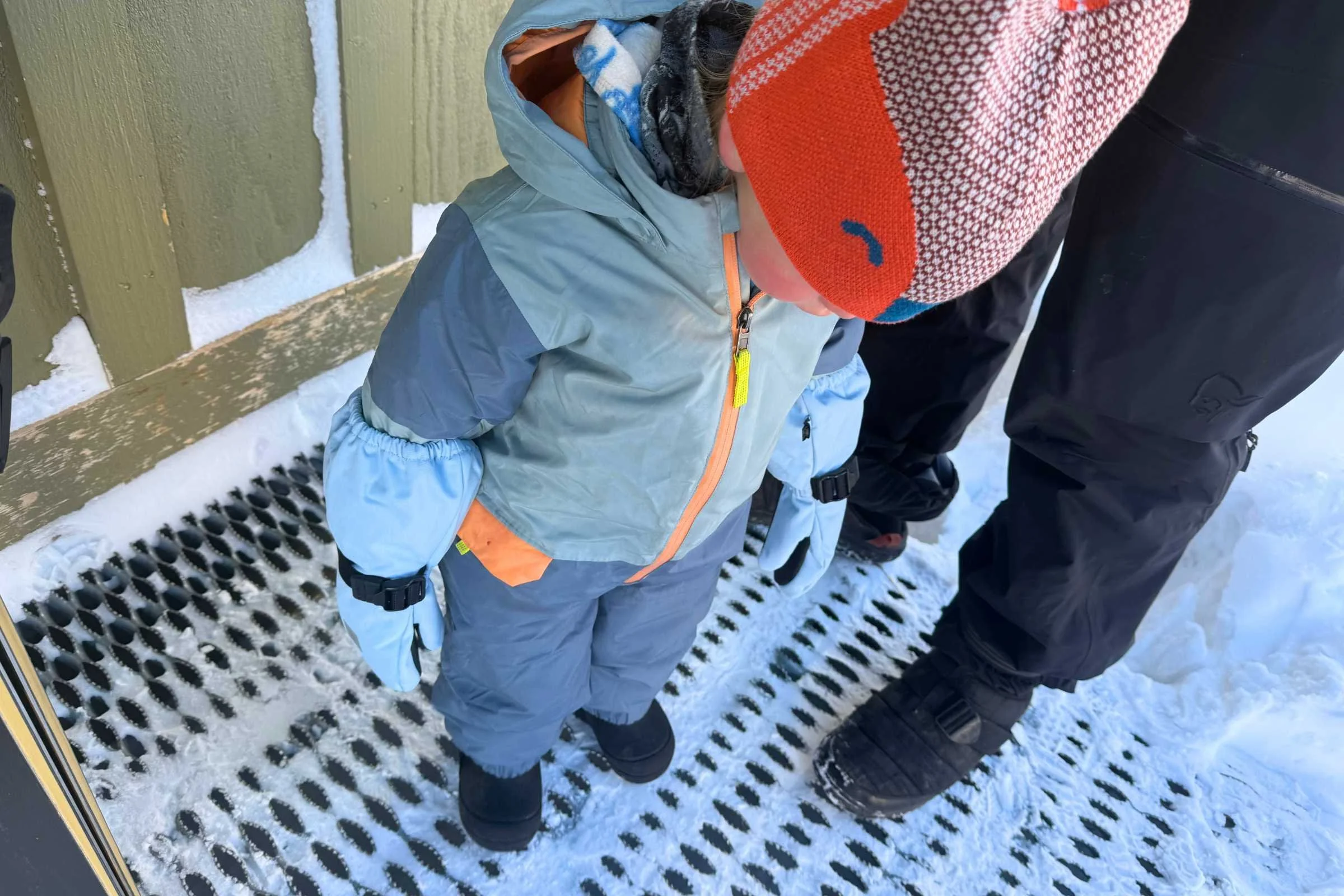
The Reima Ote mittens are warm and comfortable for all ages.
Kids' mittens and gloves should have a large enough opening to get on easily, but be snug enough that there isn’t too much space for extra air, which can make fingers colder quicker. The aim should be about a half an inch or less from the fingertips.
If the mitten or glove is too tight so that they can’t wiggle their fingers, size up, as a too-tight glove will make it harder for your child’s hands to stay warm. You could also size up for room to grow, but that will make it harder to retain warmth, and your child will lose dexterity. If the hand part fits well but the cuff is loose, choose a model with a Velcro wrist strap or another cinch to keep cold air out.
Check each brand’s sizing chart, which usually means you’ll need to measure the circumference around the widest part of their palm and then from the bottom of the palm, near the wrist crease, to the tip of the middle finger.
Care and maintenance
Always check to see if the inside of your child’s mitten or glove is wet after use. We found that quite often, the outside will seem dry, but the inside is damp from sweat or water seeping through. To dry these, use a boot or gear dryer or tumble dry them on low heat.
For really dirty gloves, like if your kid found a nice slushy mud puddle, many gloves or mittens can be washed on warm without fabric softener. Always follow the company's washing guidelines.
Your child’s mittens and gloves are ready to ditch or recycle if they have insulation peaking out (though sometimes that can be fixed with a simple patch) or if they are delaminating, which is when the waterproof membrane starts detaching from the outer shell or inner lining. Also, retire mittens if the insulation is so compacted that it no longer provides warmth.
If the gloves are still in good shape (no holes or snags) and can be sent to the hand-me-down bin, you can reapply a durable water repellent (DWR) finish, such as Nikwax. To learn how to treat all waterproof gear, check out our guide on How To Clean and Repair Waterproof Shells to dive more into how to clean and re-up waterproof gear.
FAQ
-
Mittens are better for toddlers and younger children because they provide extra warmth, while gloves are better for older children who need the added dexterity they provide.
-
The overall warmth of kids' winter gloves varies with insulation, outside temperature, and the activity they are doing. When skiing, you aren’t using your hands as much as if you are climbing, making snowballs, or building a snow fort, so the amount of insulation needed might change depending on the activity. Most insulated, waterproof, and windproof gloves should keep little hands warm for a few hours on the ski slope or while playing outside, with a hot cocoa break to follow, even in the mid-20s and above.
-
Kids need waterproof gloves if they are going to be playing in the snow. Most gloves for older kids will be waterproof or at least water resistant, while some mittens for very young kids will be water resistant or made of fleece.
-
If your child is under 3 years old, we recommend a mitten, which is easier to put on. Most toddlers aren’t going to enjoy a pair of gloves, and neither will their parents. Plus, when children are younger than three, they don’t necessarily have the finger strength to fight through the potential stiff and puffy fingers on the glove.
-
Children's gloves should fit snugly but not tightly. Either the parents or the child should be able to pull them on, and there shouldn’t be more than about half an inch of space between the tips of the fingers and the lining of the mittens.
-
As their fingers are separated, they aren’t able to provide that extra body heat in one contained space, like in a mitten. If your child runs cold, opt for mittens instead of gloves.
-
Kids' gloves can last multiple seasons, though waterproofing may need to be reapplied, and kids will likely grow out of their pair. However, we’ve used the same gloves for multiple seasons, and they still provide sufficient warmth and protection for a few hours of play in the winter.
-
Kids can use ski gloves for everyday winter use, as they are warm and keep their hands dry. If you use the same pair of ski gloves for all outdoor winter play (like recess and after-school adventures), they will wear out much faster than a dedicated pair for skiing and one for playing.
-
Invest in a waterproof pair that uses an insert or membrane to keep that water from seeping into the inner part of the glove. You’ll also want to make sure that the wrist strap or gauntlet cinch is tight, so that no extra snow can slip in.
-
You can tumble dry them on low heat in your dryer or use a boot/gear dryer.
How we researched and tested
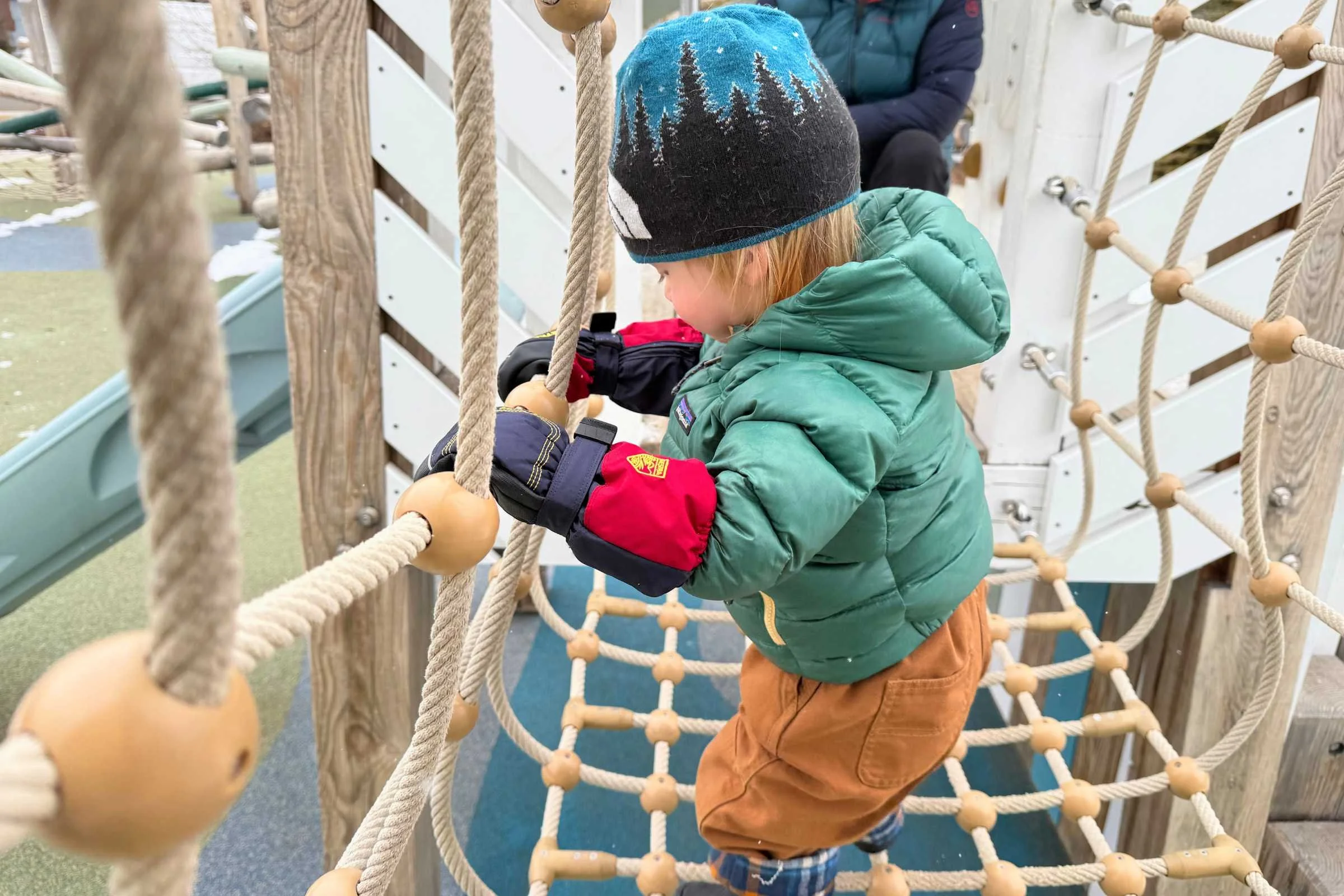
We had toddlers wear certain gloves and head to the park, the ski hills, or for a snowy bike ride in Summit County, while a group of four- to five-year-olds wore them on many wet, snowy days at their forest school in Boulder. We gathered intel from parents, the kids themselves, and forest school teachers. We accounted for each glove or mitten's overall waterproofness and durability as kids used them for sledding, climbing, and even eating lunch, and for how easy (or not) they were to put on little hands, while also considering whether slightly older kids could get them on and off themselves. Other factors for winning pairs included extra features, such as hand-warmer pockets, full zippers, wrist cinches, and leashes.
Temperatures ranged from mid-teens with falling snow and wind to mid-thirties with sunshine and slushy mud. Kids helped us understand which ones let them hold a tree branch or grab a sled handle, while the weeks of use (and some even, multiple seasons as hand-me-downs) let us know which ones could handle a kid’s tough play.
OUR TESTING PROCESS
We tested kids’ winter gloves and mittens to find the warmest, most waterproof, and durable options for everyday winter use.
How we tested
- Compared gloves and mittens across popular kids models
- Used during school days and outdoor winter play
- Tested during snow play and winter hikes
- Checked usability for skiing and other snow activities
What we evaluated
- Warmth and insulation
- Waterproofing and weather protection
- Durability for active kids
- Fit and ease of use
Why you should trust us / About the author
Stasia Stockwell

A true mountain dweller, Stasia Stockwell feels far more at home on a high alpine ridge than on a busy city street. She’s worked as a backpacking guide in Southeast Alaska, has held a WFR cert, AIARE 1, AIARE 2, and Avalanche Rescue certifications, and is working to become an avalanche education instructor. She’s now a full-time freelance writer and editor working primarily in the outdoor recreation realm. Her bylines can be found in Backpacker, 5280, and REI’s Uncommon Path, among others, and she’s been testing and writing about gear for nearly a decade. She is also the managing editor of the new print zine, Trails Magazine.
Now with a little guy by her side for her adventures, she’s learning what it takes to keep getting after it, even with kids. Living in the mountains at nearly 10,000 feet in Colorado means winters are long—and wonderful if you have the right gear, especially for mountain babies. She put her son on skis for the first time at 10 months old (no, he couldn’t even walk yet, and no, he didn’t make any real turns, but yes, he still had fun). She regularly gets out to Nordic ski, go on mellow ski tours, winter walks and hikes, and of course, extreme sledding with her son. As a winter lover herself, she’s been excited from day one for lots of snowy adventures with her son, and she’s learned very quickly that the right gear makes all the difference for staying warm and having fun. For more by Stasia, see her author page.
Mattie Schuler

Although Mattie Schuler grew up in Wisconsin, her family got her on skis when she was just three years old. At ten, she decided to follow in her older brother's footsteps and try snowboarding. She hasn’t stepped on a ski since and has been snowboarding for more than 25 years, with more than half of those seasons spent out west after she moved to Boulder, Colorado.
Alongside her journalism, where she freelances for publications such as Gear Junkie, Women’s Health, and other outdoor and gear outlets, Mattie works as an outdoor educator for young children. She pursued a master's in educational psychology about ten years ago, focusing on nature-play, and quickly started a Forest School program at the school where she works. Daily and year-round, she is outside with four-to-five year olds in Boulder, Colorado. Between hot summers, windy falls, cold winters, and muddy springs, she knows which gear can withstand kids' rough play, but also understands what works given the nuances of children’s abilities and comfort with wearing or using their gear.
For more by Mattie, see her author page.