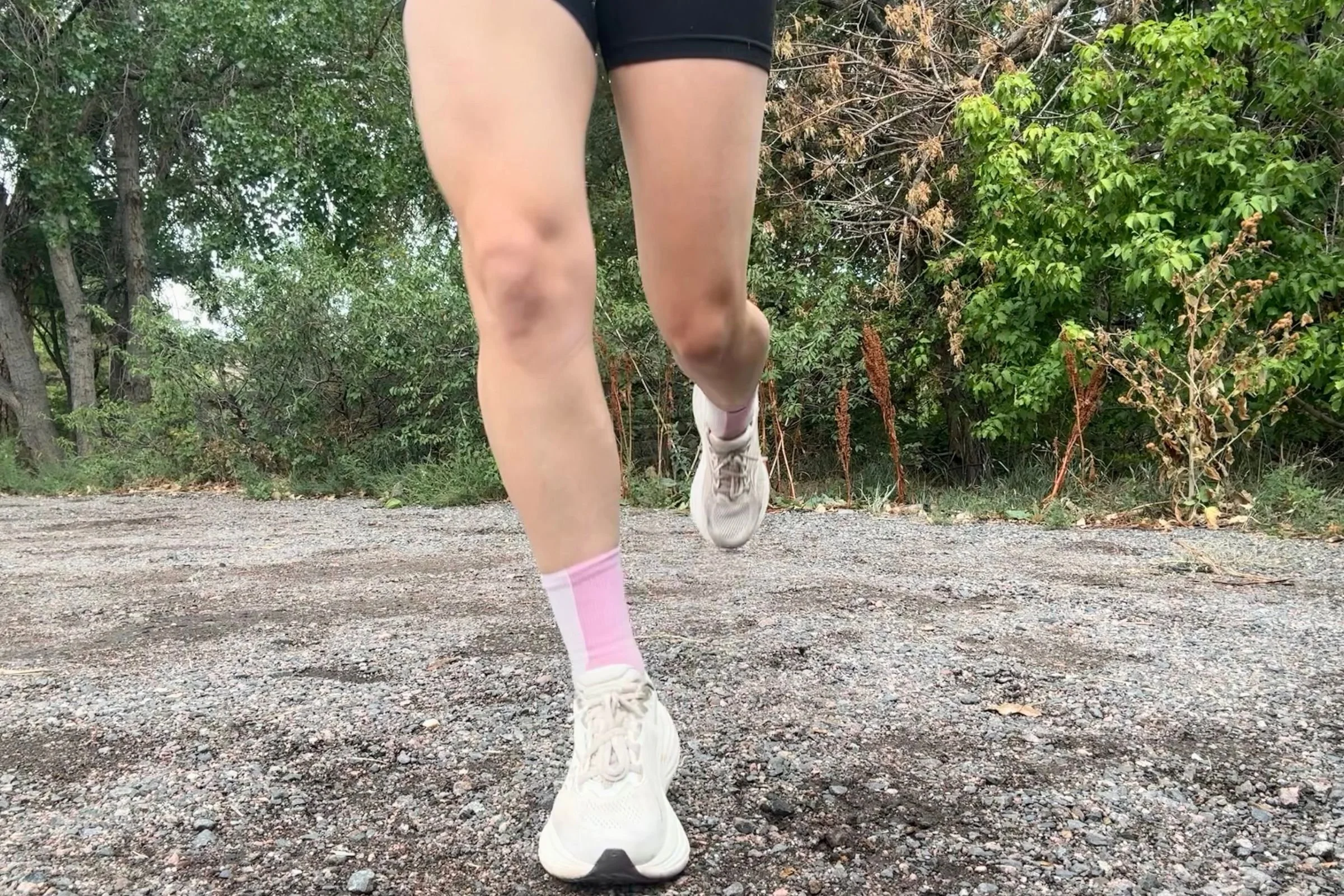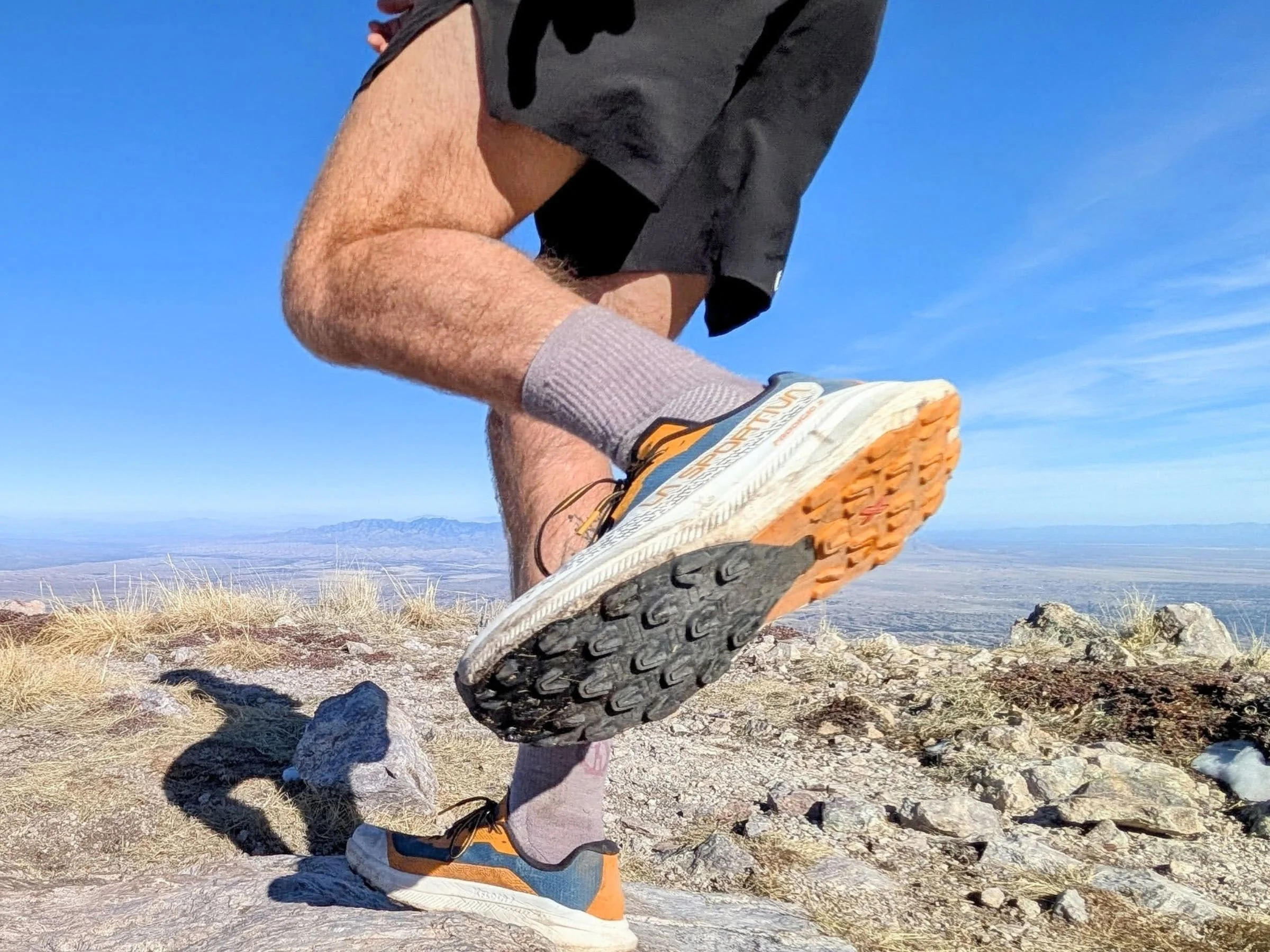
Best Running Sunglasses of 2026
We tested 15 top-rated sport sunglasses to find the best polarized, budget, cycling, and prescription modelS

May 28th, 2026, updated with a new budget winner, new stylish winner, new winner for best for running and biking, and to remove discontinued products
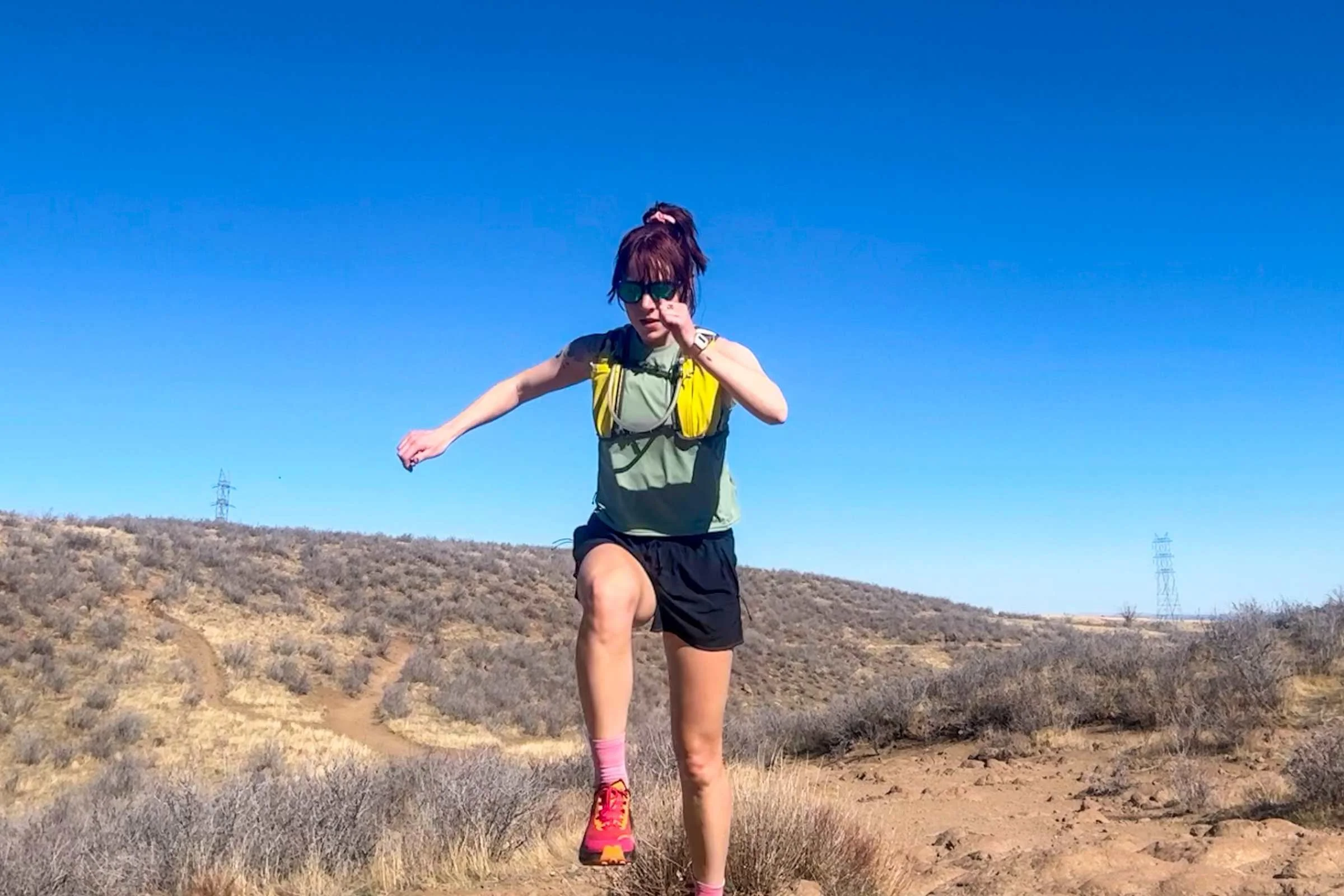
Home > Gear Reviews > Running
Running sunglasses do something regular sunglasses don't: they stay on your face without bouncing off, manage sweat without sliding, and protect your eyes from wind, debris, and UV exposure across hours of movement rather than minutes. The wrong pair bounces, fogs, creates pressure points behind the ears, or pops off the first time you look down at the trail. At altitude or in open desert, where UV intensity is significantly higher, the difference between adequate and excellent eye protection becomes a real performance and safety consideration.
I'm a runner who lives at 7,000 feet in the high country of Colorado and the Eastern Sierra, where most of my running is between 7,000 and 14,000 feet. Running this close to the sun for years has made me particularly attuned to what actually matters in a pair of running sunglasses. We tested 20 pairs of sunglasses across 500 miles with six testers on road runs and mountain trails in Colorado, Arizona, and the Sierra, including climbs and descents lasting up to eight hours.
What separates good running sunglasses from a frustrating one comes down to how secure the fit stays through sweat and movement, how well the lens manages glare without distorting color contrast on trail, how light the frame is over an hour-plus effort, and whether the coverage is actually sufficient for the angle of the sun at elevation. Bonuses are that good running sunglasses work with running hats and hooded sunshirts to complement your other sun protection gear.
Top Pick: The Tifosi Swank Polarized earns our Best Overall award. No other pair scored as high across comfort, UV protection, and value — they stayed put on our faces through hot climbs and 1,000-foot descents, use a hydrophilic nose pad that grips better as you sweat, embed the polarization filter inside the lens rather than as an external film, and come in at $50 with an RX lens option — a combination of features you'd typically find on glasses twice the price.
For more sun protection, see our guide to the Best Running Hats.
We create reader-supported, objective gear reviews independently selected by our editors. This story may contain affiliate links, which help fund our website. When you click on the links to purchase gear, we may get a commission — without costing you an extra cent. Thank you for supporting our work and mission of outdoor coverage for every body! Learn more.
Sunglasses comparison table
| RUNNING SUNGLASSES | TREELINE AWARD | SHAPE | WEIGHT | LENS COLOR OPTION? | FRAME COLOR OPTION | RX LENS OPTION | FRAME MATERIAL | LENS TECH / MATERIAL | COATING | PRICES |
|---|---|---|---|---|---|---|---|---|---|---|
| Tifosi Swank Polarized | Best Overall Read why |
Wayfarer | 23 grams | ✅ | ✅ | ✅ | Nylon frame | Polycarbonate lens | Glare guard on lenses | $60 |
| Tifosi Veloce Fototec | Best for Trail Running Read why |
Sport | 29 grams | ✅ | ✅ | ✅ | TR-90 Nylon | Polycarbonate | Photochromic Coating | $90 |
| Oakley Sutro | Best Multi-sport Read why |
Full shield | 32 grams | ✅ | ✅ | ❌ | Nylon / “O Matter” | Polycarbonate | Lens - Proprietary Iridium glare reducing | $203 |
| Knockaround Premium Sport Sunglasses | Best Budget Read why |
Wayfarer | 25 grams | ✅ | ✅ | ❌ | Polycarbonate | Triacetate cellulose (TAC) | No-slip grip frame coating | $38 |
| Ombraz Armless | Best for Small Faces Read why |
Squared | 23 grams | ✅ | ✅ | ✅ | TR-90 Nylon | Zeiss Polyamide | Hard coated (scratch resistant) | $160 |
The winners
Best overall running sunglasses: Tifosi Swank Polarized
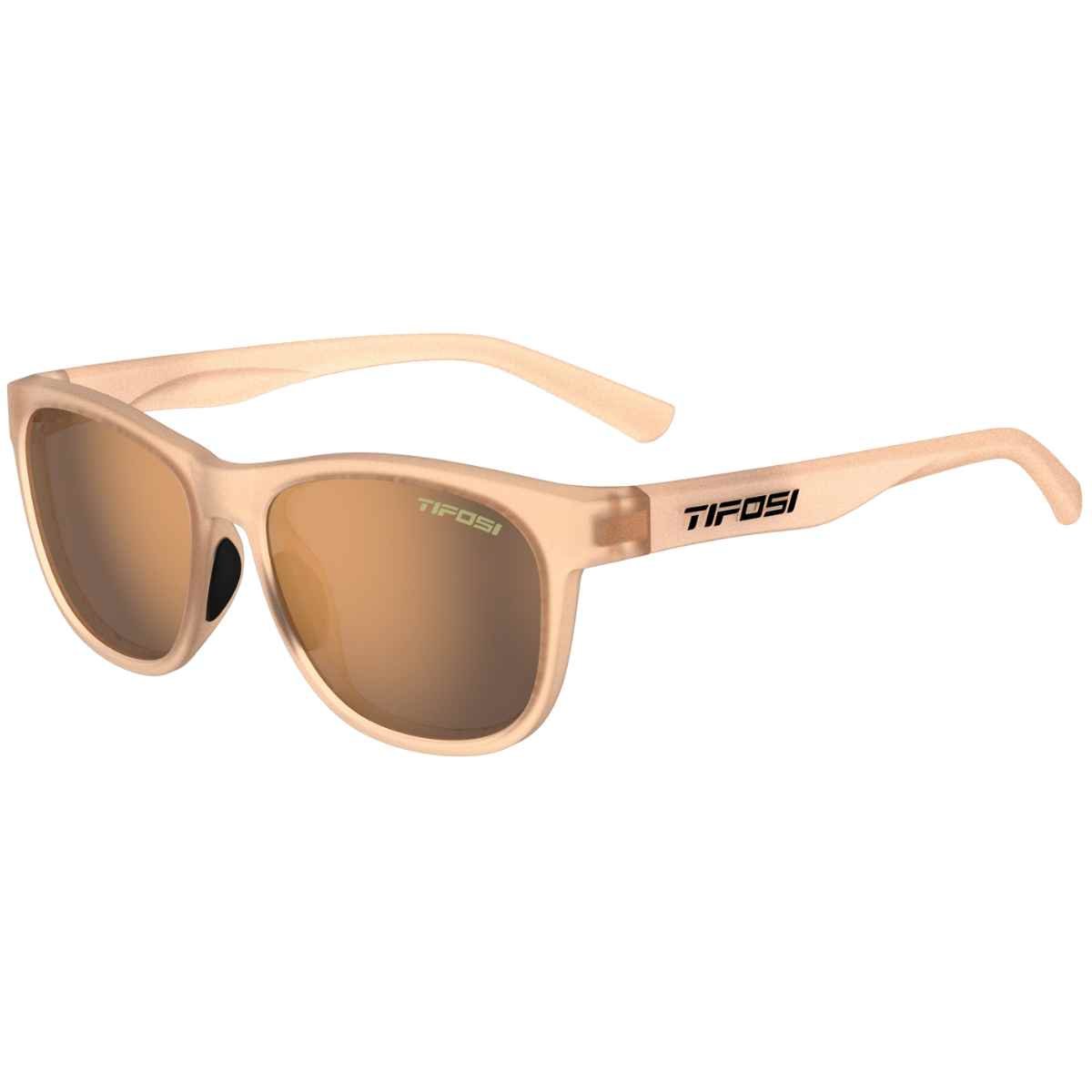
Shape: Wayfarer
Weight: 23 grams
Coating: Glare guard on lenses
Frame material: Nylon
Lens material: Polycarbonate
Rx lens option: Yes!
Lens color options: Yes
Frame color options: Yes (many)
What we liked: Folds small, lightweight, affordable (especially for polycarbonate polarized lenses), comfortable, fits lots of faces, RX available
What we didn't like: Not the fanciest lenses or frames, branding on lens
Of all the sports sunglasses we reviewed, the Tifosi Swanks stood out as the best running sunglasses, especially considering the high quality you're getting for an affordable price. The Tifosi Swanks sport a lightweight frame made of durable nylon common in glasses twice the price. Taking them on hot climbs, rolling single track, flatter dirt roads, and a series of 1,000 ft trail descents, they stayed put on our faces, comfortably, whether dry or sweaty.
They also use the popular wayfarer frame style (which suits most faces with a balance of round and square dimensions) and use a polarized, polycarbonate lens. The polarization is embedded inside the lens rather than with an exterior film, a feature found in higher-end glasses.
COMPARE PRICES OF THE TIFOSI SWANK POLARIZED


-
The polarization filter embedded within the lens keeps it in good condition, as it’s not vulnerable to scratching and peeling like an external film. These lenses aren’t vision-enhancing or photochromic (like a Transition lens). While the Swank aren't the least expensive sunglasses on our list, they have features we'd find on sunglasses twice the price. With polycarbonate polarization and standard full UV protection at an approachable price of $50 (and can be found on sale), it’s a tremendous value.
-
At $50, we don’t have a lot of complaints about the Tifosi Swanks. Many runners have broken lenses or frames, lost them on the trail, or left them behind at restaurants post-run. Sunglasses can be tricky items to keep in good condition and keep track of. The Tifosi aren’t the most high-tech, but they do the job for most runners. If you break these, it won’t hurt as much as if you snap the lenses or frames on a pair of $100+ sunglasses.
-
Like other similarly constructed nylon frames of this type, it has a hydrophilic nose pad that makes the glasses more secure as you sweat. We found the nose pad was clearly effective during the hot post-work runs we took with the Swanks.
-
The Tifosi Swanks weigh 23 grams, pretty close to the lightest weight glasses on our list, the Roka Oslos at 19 grams, and we found that 23 grams were plenty light for us, as the Swanks fit well, with no pinching on the sides of our head, or the bridge of our nose. We just put them on and forgot about them. Lastly, with frames at this price point, we were excited to see that Tifosi offers the Swanks with RX lenses!
-
One feature that we don’t love is the branding on the lens. It’s already on the frames, and although it’s out of the way and doesn’t impede vision, it lends a slightly busy look to an otherwise stylish, modern-looking pair of sunglasses. Some users prefer a hard case for their sunglasses, and the Swanks only come with a cloth case. We don’t really mind this, as the soft cloth sleeve works fine.
-
Customer reviews suggest that the Tifosi Swanks fit well on small to larger faces. Our reviewer has an M/L head and found the Tifosi to fit very comfortably with no bouncing during runs, pressure points, or need to push the glasses too far onto the face, limiting airflow behind the lens.
-
Customers mention feeling comfortable wearing them for other outdoor activities and casual glasses around town, which we attribute to the wayfarer style. We didn’t see evidence of customers using Tifosi’s warranty against manufacturing defects for the product's lifetime, and we can only infer from this that it’s not commonly needed, which might speak to the durability of the glasses!
-
If you’re a road or trail runner looking for an excellent value and want the basic features of a comfortable frame and UV filtering polarized lenses, consider the Tifosi Swanks.
Best trail running sunglasses: Tifosi Veloce Fototec Photochromic

Shape: Sport
Weight: 29 grams
Coating: Embedded Photochromic
Frame material: TR-90 nylon
Lens material: Polycarbonate
Rx lens option: Yes
Lens color options: Yes
Frame color options: Yes
What we liked: Affordable for photochromic lenses, air vents for humid and cold conditions
What we didn't like: Not the most comfortable at first, but settles over time; not the most versatile styling
Photochromic lenses can be an excellent option for trail runners who encounter a wide range of light conditions. These lenses transition from clear to dark depending on the environmental UV light levels. This feature is handy for those who run in heavily forested areas or use trails that go below and above treeline during a single run.
Photochromic lenses usually have a high barrier to entry regarding cost. Still, the Tifosi Veloce Fototec Photochromic sunglasses are an exception at $79 and often going on sale through retailers like REI. That's why we think the Tifosi Veloce Fototec are the best running sunglasses for runners who spend a lot of time on trail, offering quality lenses at a reasonable price.
COMPARE PRICES OF THE TIFOSI VELOCE FOTOTEC PHOTOCHROMIC


-
At 29 grams, the Tifosi Veloce glasses sit around the middle of the weight category compared to other glasses we tested, but they inspire a lot of confidence in their durability. Part of the weight may result from a partial wraparound style, where the lenses contour around your face to the sides to help keep out harmful rays, even on your periphery. While other wraparounds incorporate a more comprehensive frame to block out even more light from the sides, they’re usually heavier and offer a different aesthetic entirely.
-
We appreciated the wraparound of the Tifosi Veloce at higher altitudes, which is almost constantly, since the baseline for our sunglasses testing took place above 7,000ft in elevation.
Compared to more casually styled sunglasses like the Tifosi Swanks, the Veloce will offer more side UV protection that comes with its more technical look.
-
One trail-running-specific feature we love about the Tifosi’s is the photochromic adjustments when we go from above treeline to below when the sun rises or sets on the trail. These photochromic, non-polarized lenses mean slightly better depth perception over polarized glasses to better perceive nuanced ground features, like rocks and roots.
-
We tested these glasses through the monsoon season in Colorado during an exceptionally wet year. We found that the air vents on these lenses seemed to help keep the fogging down on the lenses during storms when air temperatures went down, humidity went up, and body heat output remained consistent.
Fogging on sunglasses is typically more of a problem when stopping, as airflow is reduced, and the heat comes straight off your face into the sunglasses. With a wraparound style of sunglasses that will vent inherently less well than a more open-sided style, fogging is more likely. Air vents are essential for high output activities like running in these styles of sunglasses. Veloce markets these sunglasses especially for running and we appreciate that they Tifosi fully understand the need for those air vents.
-
The Tifosi Veloce sunglasses have pretty long side arms. While this does create more surface area for the hydrophilic ear pieces to grip your head, they can interfere with hats and helmets. We found that they fit best under our hats once we started sweating, as the hydrophilic ear pieces better gripped our heads then and didn’t budge when removing our hats.
As we found firsthand, putting the arms over the hat may result in the glasses shifting when removing the hat. Furthermore, the glasses didn’t have the most conforming, natural, “set and forget” feeling at first but settled well after a few minutes of use, and more so after sweating.
-
Customers love the Tifosi Veloce sunglasses for running, cycling, and casual use. Runners who run early and late in the day especially enjoy these photochromic sunglasses. It allows eye coverage from the cool morning air and transitions with increasing light to keep vision optimal as more light comes over the horizon.
The critiques from customers reflect what we’ve mentioned, too, that fogging is more common with wraparound style sunglasses and that the frames are not as comfortable as other more casually styled frames at first.
-
Despite any minor flaws that the Tifosi Veloces have, they provide more peripheral UV protection for the eyes relative to casual sunglasses. If you want some lenses that can adapt to variable conditions, Tifosi offers a pair of sunglasses that are feature rich at an approachable price.
Best multi-sport sunglasses for running: Oakley Sutro
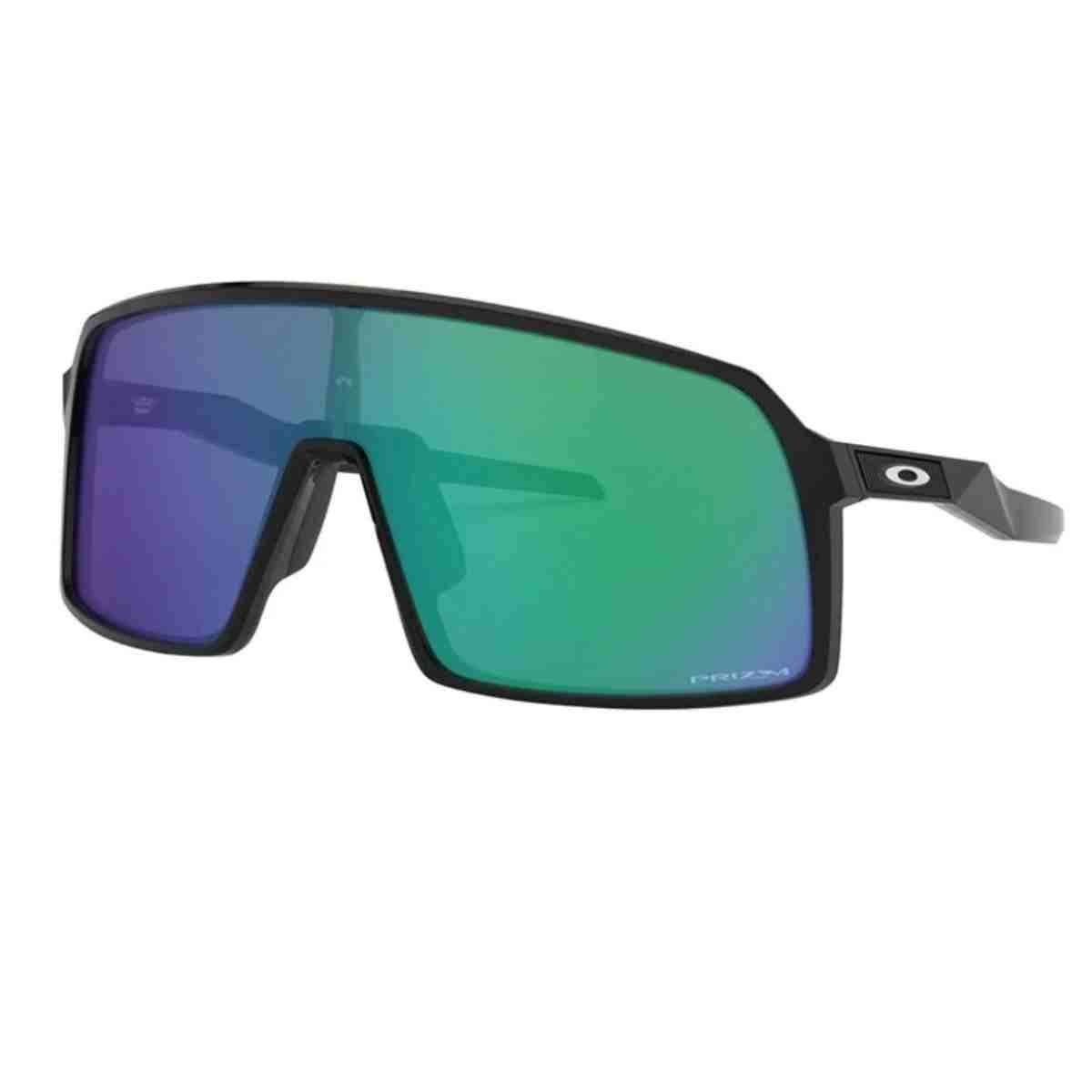
Shape: Full shield
Weight: 32 grams
Coating: Lens - Proprietary Iridium glare reducing
Frame material: Nylon / “O Matter”
Lens material: Polycarbonate
Rx lenses option: No
Lens color options: Yes
Frame color options: Yes
What we liked: Big coverage, quality optics, comfortable for weight, suitable for other sports
What we didn't like: High volume for packing, maybe too heavy for some runners, too big for some and not big enough for others
With some runners transitioning to larger, full shield, bold style sunglasses borrowed from the cycling world, we were eager to try the Oakley Sutro’s. We tested the Oakley Sutro with a Black Ink frame and the Prizm Jade lens, which perform best in bright light conditions. We found the Oakley Sutro to be the best running sunglasses for runners who want one pair of glasses to do it all.
Oakley Sutro


-
After numerous sunny runs around 1 hour each, along with 10 hours of biking in Colorado, we were confident that the Oakley Sutros are a solid pick for someone looking for a pair of glasses to do both. After more than a year of continued testing in the Eastern Sierra biking, skiing, climbing, and running, we stand by that finding.
-
Apart from the apparent frame and lens departure, size-wise, from the other sunglasses in our list, the Sutro lenses also have essentially no curvature vertically on the lenses, with all of the coverage relying on size alone. We find that not having a curve on such large lenses lends the Sutros a degree of casualness rather than being overly technical looking.
On the other hand, the horizontal wrap is pronounced with comprehensive protection into the periphery. For cycling, it keeps out debris and provides an unobstructed view when turning your head to check for cars. For running, it’s all about simply having more eye protection and clarity.
-
Regarding fit, we were concerned that they'd bounce due to their sheer size, but we were pleasantly surprised to find out that the Sutros were not only good enough comfort-wise but forgettable on our faces! Using their proprietary Unobtainium compound, they have a large, saddle-bridge-style (a shape that looks like a horse’s saddle), hydrophilic nose piece. These saddle-bridge-style nose pieces are commonly found on heavier sunglasses to keep the glasses in place on the nose.
The sidearms on the Sutros are pretty long compared to the other glasses in our lineup. They taper towards the end of the arms and stay out of the way of hats or helmets. The Sutros do lack any sort of hydrophilic grip on the inside of the sidearms, which we thought gave them a naked look, like they’re unfinished, though we didn’t find the sunglasses to slide off despite the lack of the extra grip even during sweating on hot runs and rides.
-
The Sutros are sized XL on Oakley’s site, but compared to other sunglasses in our lineup, they measure in the M-L head size, with some customers with large heads finding that the side arms can pinch after a while on long activities. With the saddle bridge nose piece, the Sutros may accommodate a wide range of nose bridge sizes.
Still, due to the oversized frames, some users with smaller faces may simply find them overwhelmingly big. Thankfully, Oakley has addressed this by offering the Sutro S, a slightly smaller frame size with the same amount of wrap as the original Sutros.
-
The lenses on our Sutros were hands down our favorite regarding visual clarity. These lenses aren’t polarized, though the Prizm lenses, paired with the anti-glare proprietary Iridium coating, manage glare by essentially managing light that strains your eyes and enhancing colors that help define the landscape.
-
The Sutros weigh 32 grams, which is unsurprisingly the heaviest glasses on our list, but only marginally so over the Tifoso Veloce, at 29 grams, which also happens to have a wraparound style like the Sutros.
The Sutros are a part of the Oakley Prizm lens family, which uses a combination of dyes in the lens to create high contrast between colors, and enhance your ability to see between objects, like cracks in the road or, in the case of trail running, more varied terrain.
-
One other consideration that could be a negative for some runners is that they pack pretty large and may not fit the best in your running vest or running belt pocket. For example, our reviewer uses a Naked belt on most runs for storing his phone, water, and some nutrition, and the Sutros took up more real estate than normal compared to other sunglasses options.
-
We find that the Oakley Sutro are comfortable for multi-sport, have outstanding lens optics, and are pared down aesthetically for a full-shield style compared to something like a Pit Viper full-shield style. We’ve seen several local trail runners wearing these sunglasses styles, and we’re ready to join them.
Best affordable running sunglasses: Knockaround Premium Sport Sunglasses
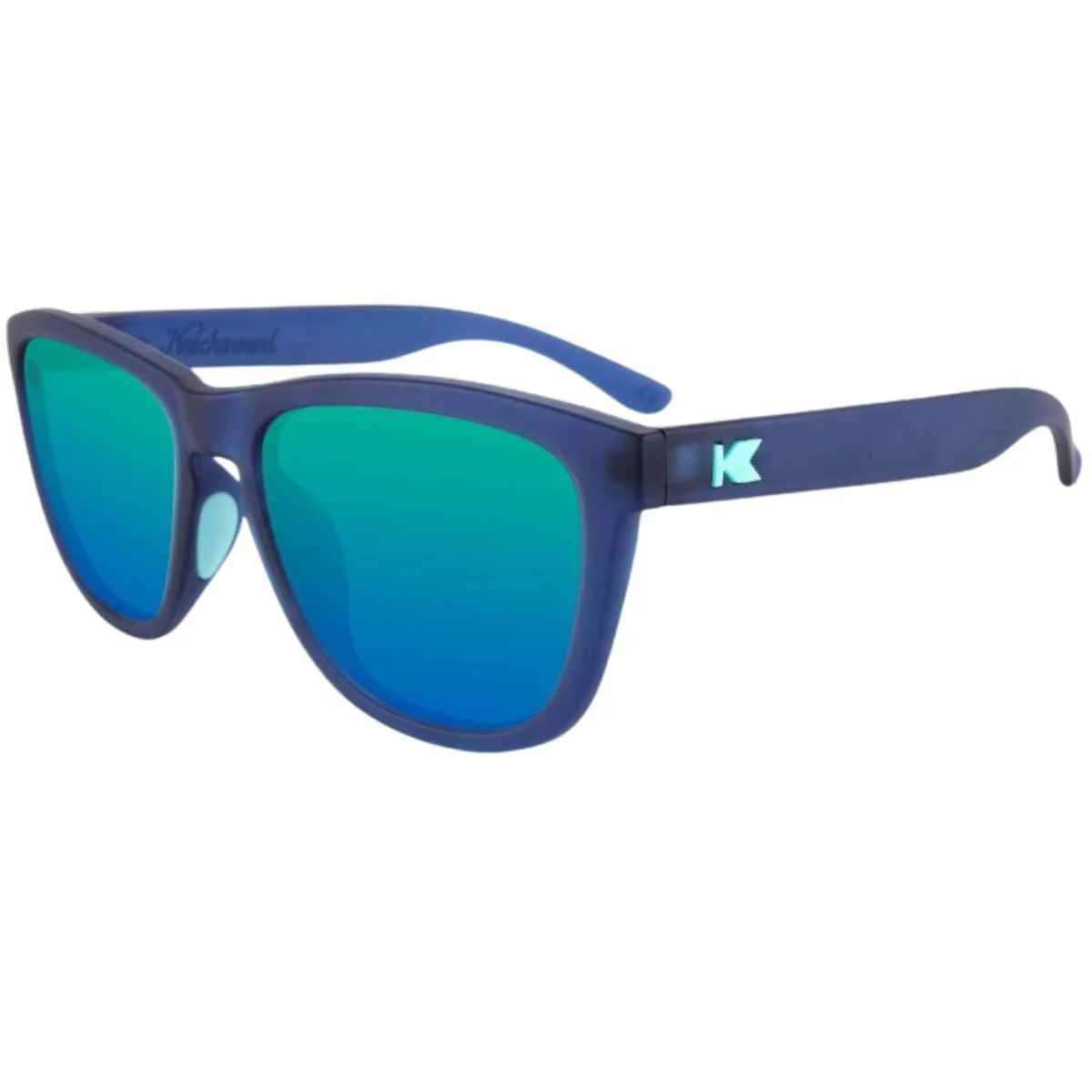
Shape: Round
Weight: 0.9 oz
Coating: Rubberized
Frame material: Polycarbonate
Lens material: Triacetate cellulose
Rx lens option: No
Lens color options: Yes
Frame color options: Yes
What we liked: Inexpensive, non-slip, more durable lenses than goodr
What we didn't like: Heavier than goodr OGs (though not that noticeable)
The Knockaround Premium Sport Polarized Sunglasses are our pick for best affordable running sunglasses because for just $8 more than a pair of goodr OGs you get a more durable, longer-lasting pair of sunglasses. Similar to the goodr OGs in fit and design, the Knockaround Premiums Sport Polarized Sunglasses have held up far longer and are a better value for the price.
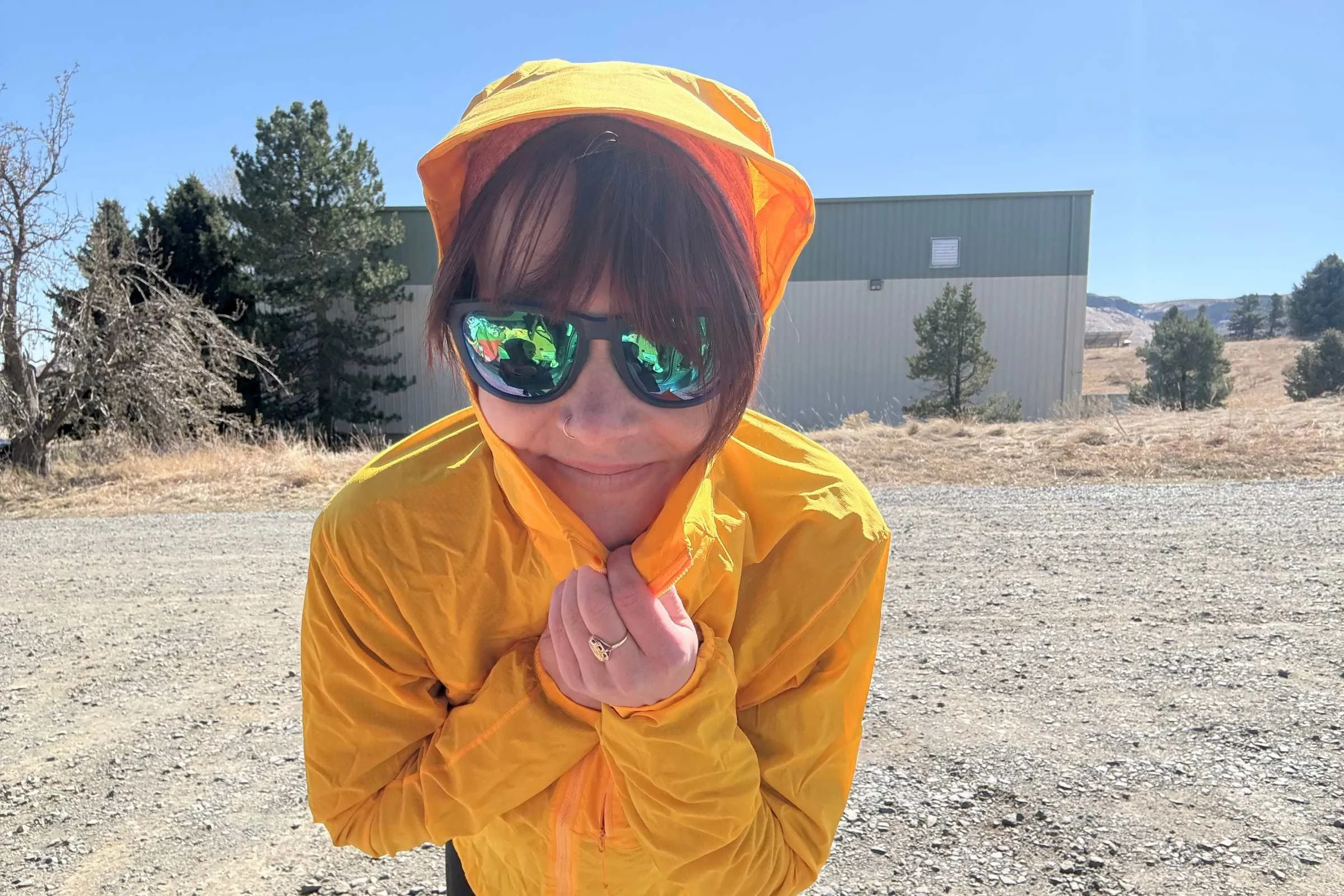
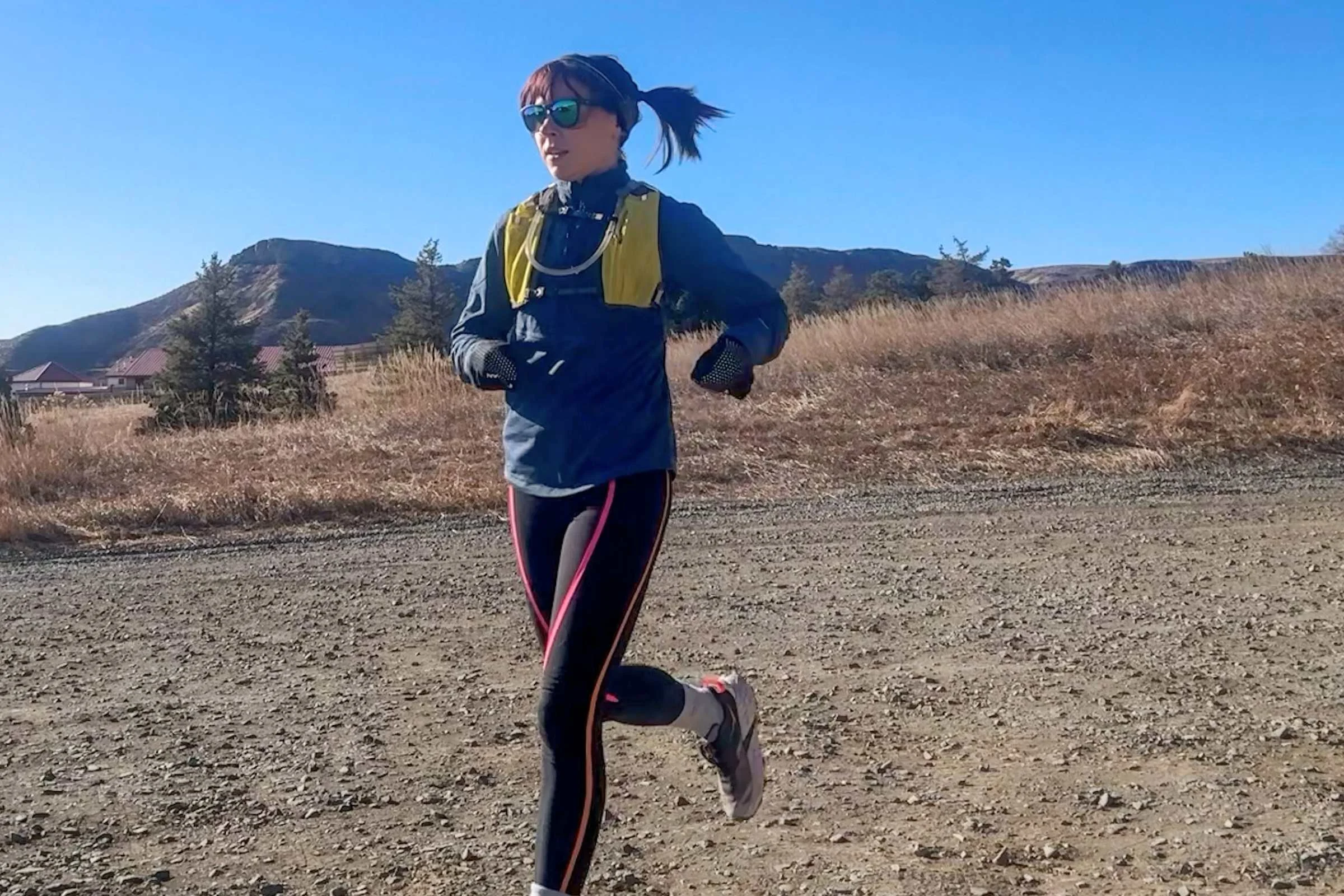
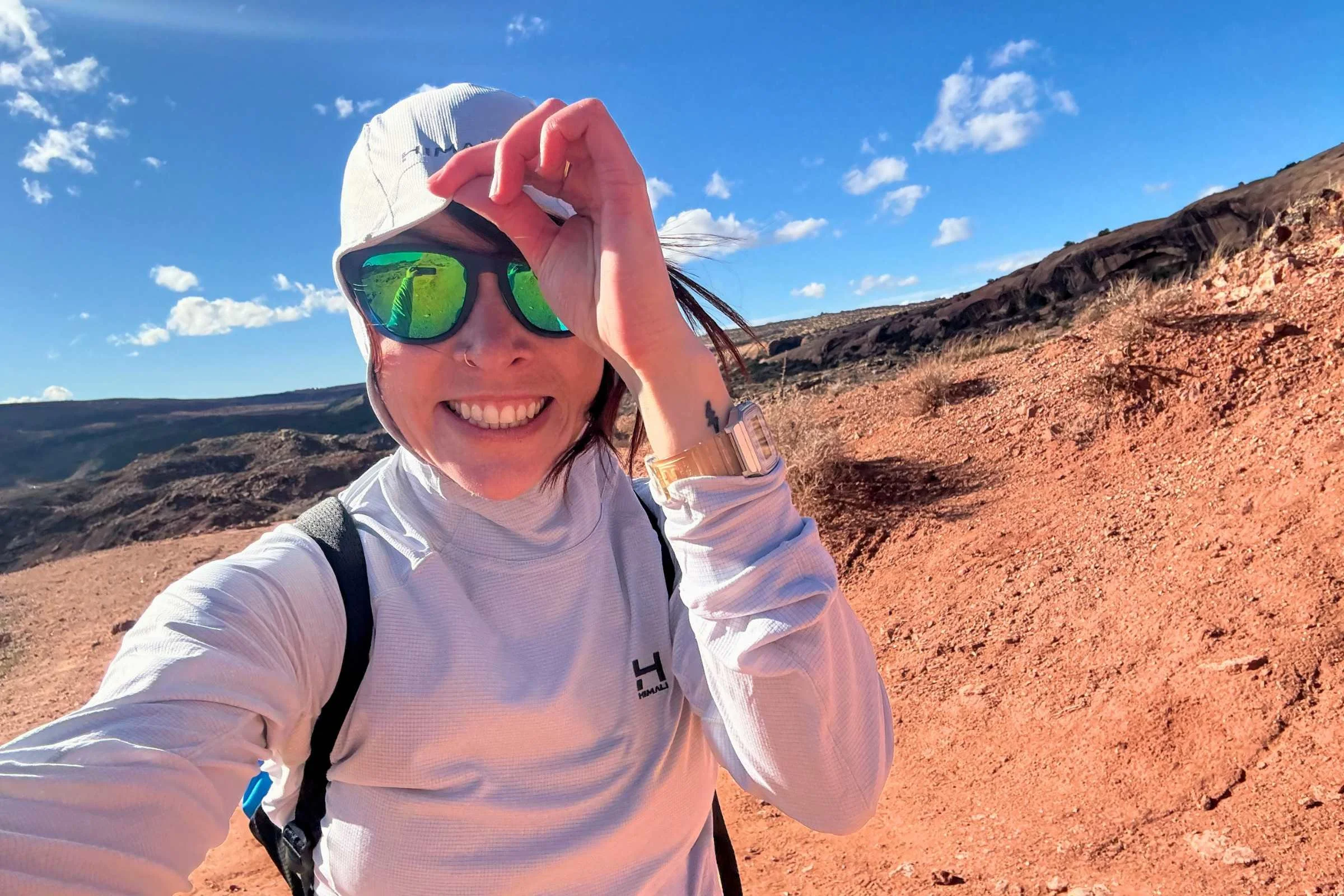
After testing these sunglasses for nearly a year, they still look brand new (while the lenses on our goodr OGs are scratched up after much less use). We’ve worn the Knockarounds every day on runs, hikes, walks, commutes, and more. We've tested in Colorado, where sun protection is super important due to 300 days of sun and altitudes of 5,000+ feet. The Knockaround Premium sunglasses have consistently held up. We’ve had no issues with slipping, discomfort, lens scratches, or other durability issues—they still look good as new, and we’re not gentle with our gear.
Because of the rubber nose pad embedded in the bridge, the glasses stay comfortably in place while running. They never slipped, and we hardly ever noticed they were even there.
VIEW THE Knockaround Premium Sport Sunglasses

-
The polarized lenses reduce glare, especially on water and snow, and the UV400 rating blocks 99-100% of UV rays. The lenses are also FDA compliant impact resistant. Like the Goodr OGs, the Knockaround sunglasses come in one size but a lot of fun colorways and lens tints, so you can customize your look. If you want a different size, Knockaround, like Goodr, offers different styles for different face shapes and sizes.
-
Knockaround has a 45-day return/exchange period and a limited lifetime warranty for manufacturing defects that includes one lifetime replacement per paid pair (with photo documentation of defect).
-
The Knockarounds weigh slightly more than the goodr OGs and cost $8 more, but we think it's worth it for how much more durable and reliable they are. These are a fantastic option for anyone looking for a quality pair of running sunglasses on a budget.
Best running sunglasses for small faces: Ombraz Armless
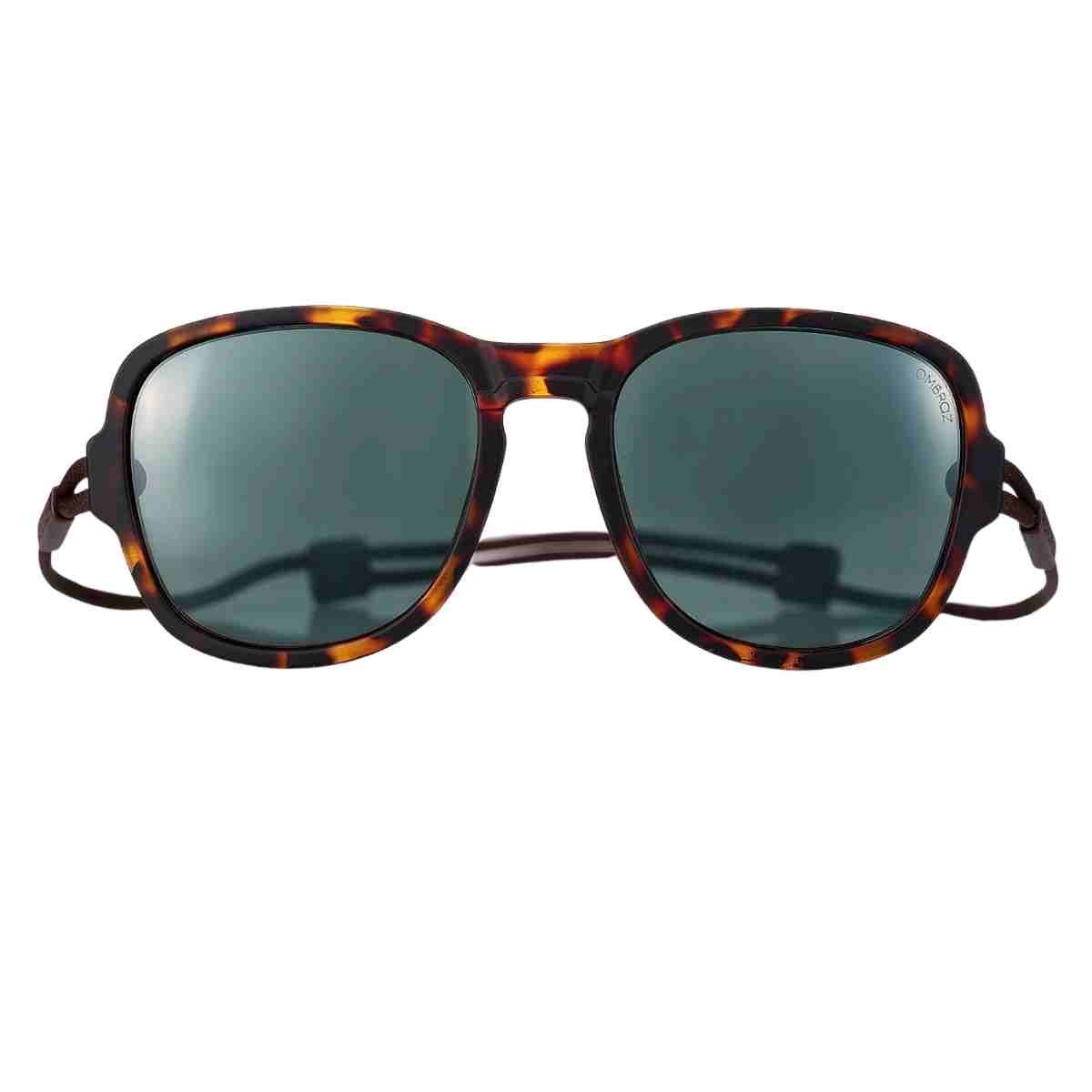
Shape: Squared
Weight: 23 grams
Coating: lens - hard coated (scratch resistant)
Frame material: TR-90 nylon
Lens material: Zeiss polyamide
Rx lens option: Yes
Lens color options: Yes
Frame color options: Yes
What we liked: Offered in narrow and standard frame sizes, no frame arms to break, lifetime warranty on frames, brand is carbon negative
What we didn't like: Armless may not be for everyone, can’t put on with one hand
Runners and non-runners alike can often find it challenging to find a pair of sunglasses that stay on securely without bouncing or flying off. There’s also the issue of the bridge of the glasses sliding down the nose or wrap-around style sunglasses arms, causing pressure points far behind the ears, eventually leading to sore spots on some users. That's why we think the best running sunglasses for small faces is one without arms, like the Ombraz Armless.
An oversized frame may not be aesthetically suitable for someone with a smaller face. Over the past few years, we've tested the Teton, Classic, and Camina frames. If you have an especially smaller face, as those frame styles are offered in a narrow frame size option.
All Obraz frame options have a no-side arm design and lens choices. We loved the comfort, functionality, and lens quality of the Ombraz Tetons and found that they resolved the issues of fit that we often see with traditional-style sunglasses.
Multiple Treeline Review writers are also fond of the Ombraz for thru-hiking and backpacking because they are more secure and less likely to get lost. So while these are great for smaller faces, we think they are a great option for anyone in the outdoors who wants extra security against losing glasses.
COMPARE PRICES OF THE OMBRAZ ARMLESS


-
Ombraz has made a name for itself because they omitted side arms in their design, replacing them with an easily adjustable nylon cord that helps the glasses fit under helmets and over or under hats. The design makes them easier to track when removed momentarily because they can hang below the neck.
Although there are many options out there for glasses retainers for sidearms, like the ones from Croakies or Chums, those can wear out, and they can fail, releasing your potentially expensive sunglasses into the water, onto a rock, or into a dirty trail. Because the retainers are integrated into the Ombraz, that is less likely to happen.
-
Ombraz also uses durable, lightweight TR-90 Nylon frames, which they back with a lifetime guarantee. For lenses, they use a step up in quality from polycarbonate lenses (which are still good!) and opt for a Zeiss brand polyamide, which is typically a little thinner, more lightweight, and vision enhancing compared to the more standard polycarbonate lens. Polyamide also allows for more flex than polycarbonate, pairing well with Ombraz’s durable frames.
Although there’s no guarantee on the lenses like the frames, Ombraz does have a lens replacement program with Lens & Frame Co.
-
Sure, all of these nice materials are attractive, but how do they fit and perform? We were impressed! Following Ombraz fit guidelines to avoid wearing them tight like goggles, we allowed the approximate ½” of space they recommend you allow when pulling them away from your head. This space allows for a secure but not a tight fit and accommodates all ranges of head motion.
The glasses felt great on the bridge of our reviewer’s nose, which is on the more narrow side compared to his face size. We have no doubts that the narrow-specific frames of the Viale or Classic would accommodate those with smaller noses and generally smaller faces.
-
Most of the local runs, like the ones we took the Tetons on, are pretty bouncy, with rolling rocky singletrack in every direction. Following the fit guidelines, the Tetons stayed put, and not having sidearms with hydrophilic pads to grip during our hot, summer runs was a non-issue.
-
There are a couple of potential drawbacks to the absence of side arms. One is that you can’t put them on with one hand. Although the adjustments on the cords are easy to tighten and loosen, they require two hands. This can be a drawback for some trail runners.
When trail running in variable light, there will be times when you may want to remove your glasses to assess the path ahead more quickly.
We found that if the glasses are appropriately adjusted, you should have enough space to pull them away from your face and above your eyes for a quick look without adjusting the glasses. Still, you won’t be able to remove them like traditional side arm styles very quickly.
-
Customer reviews are overwhelmingly positive, with reviews on the Ombraz site specifically broken down to frame selection, frame size, and head shape, which we find especially helpful for finding something relatable. Most customers with narrow faces opted, not surprisingly, for the Viales or Classics for their smaller nose bridge size and more narrow dimensions overall.
-
Reviews point to use in running, biking, casual use, and more, and we find that these glasses work well in those applications, too, from loosening them to hang around the neck, walking into the grocery store, and biking down to the river after dinner. As mentioned above, these sunglasses are especially popular among thru-hikers.
-
Despite some drawbacks inherent in the sidearm-less design, we find the problems that Ombraz polarized sunglasses solve outweigh the drawbacks, especially for people who can’t find a pair of sunglasses that sit securely and comfortably on their faces.
Best lightweight sunglasses for running: Roka Oslo
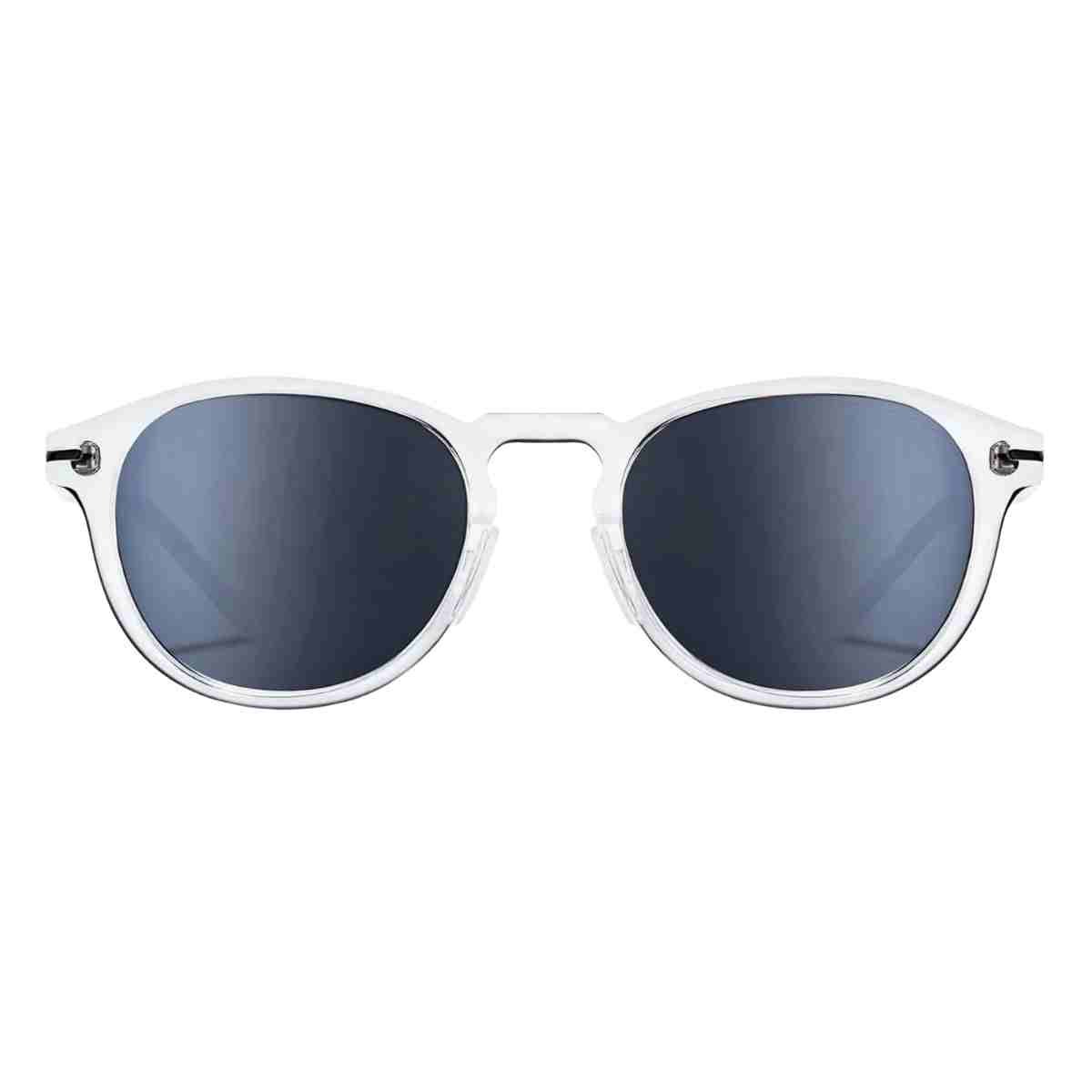
Shape: Circular Scandinavian
Weight: 19 grams
Coating: lens - anti-scratch, hydrophobic, oleophobic, anti-fog
Frame material: TR-90 nylon
Lens material: Polycarbonate
Rx lenses options: Yes
Lens color options: Yes
Frame color options Yes
What we liked: Extremely light, multi-directional GEKO pads, comfort
What we didn't like: Some runners may prefer more coverage, higher-priced glasses
At 19 grams, the lightest on our list, and having a “barely there” level of comfort and secure fit, the Roka Oslo’s are our reviewer’s personal sunglasses choice and ones that he has more experience with than any other sunglasses on the list. More well-known in the cycling world, Roka is becoming increasingly popular among runners, and glasses like their Oslos are part of that.
While we’re big fans of the Roka Oslos, we also realize they are an investment — especially on a piece of gear like sunglasses that are often lost or broken. Ultimately, for the amount and type of running the author does, the Roka Oslos are an excellent upgrade — but we think most runners will be served by a more affordable option like our overall winner, the Tifosi Swank.
VIEW THE ROKA OSLO


-
With a modern, Scandinavian style, these lightweight sunglasses have a lot of wearable range for sport and casual use for those not looking for a sporty aesthetic or wraparound coverage. These can be found at $100 on sale, but they retail for $185 (on the higher end of our list). Strava users may even find periodic discounts through Roka Strava challenges.
-
Similar to other glasses in our lineup, the Oslos have a TR-90 Nylon frame and a polycarbonate lens. To save weight, Roka uses a thinner profile frame. Though we had durability concerns at first, we haven’t broken them after over a year of hard use of daily driving, walking, running, and even backpacking in the endlessly sandy area of southern Utah.
-
With less surface area on the sidearms, Roka uses their patented multi-directional GEKO grip pads to keep the glasses secure on your face. This tech is present both in the sidearms and the nose pads.
Speaking of nose pads, Roka sends three sizes of interchangeable nose pads to help you dial in your fit for the bridge of your nose. Our reviewer has a somewhat thin nose bridge and went with the middle of the three sizes, and the nose pieces have never fallen out.
-
For prescription running sunglasses users, Roka uses an integrated titanium core to offset the weight of stronger prescription lenses. Our reviewer typically wears contacts when running, except for dark winter running when the cold weather can irritate contacts. Vision is still critical, and having lenses can help offset the bitter Colorado high country wind.
Our reviewer liked the Roka Oslo sunglasses so much that he also purchased the same frames for prescription clear lens glasses through Roka.
-
There’s not much to complain about with the Roka Oslos. The high price may deter some users, but sales do happen. Some runners may prefer a larger lens, or alternate lens type for more sun coverage, as the Oslos are open on the sides with no pronounced curve around the contours of the face. Luckily, Roka uses the same frame tech, GEKO grip, and lightweight design approach to other glasses with more coverage, like their AT-1’s, Torino’s, and full shield Matadors.
-
Despite the Roka Oslo’s price and the lack of coverage, we still find them the best sunglasses for a secure, comfortable fit with a quality frame and lens. Customer reviews mention using them for casual wear, golf, running, hiking, and cycling, to name a few. Reviews from users include those with smaller and larger faces finding the grips comfortable, non-pinching, and secure.
Best sunglasses for running and biking: Smith Wildcat
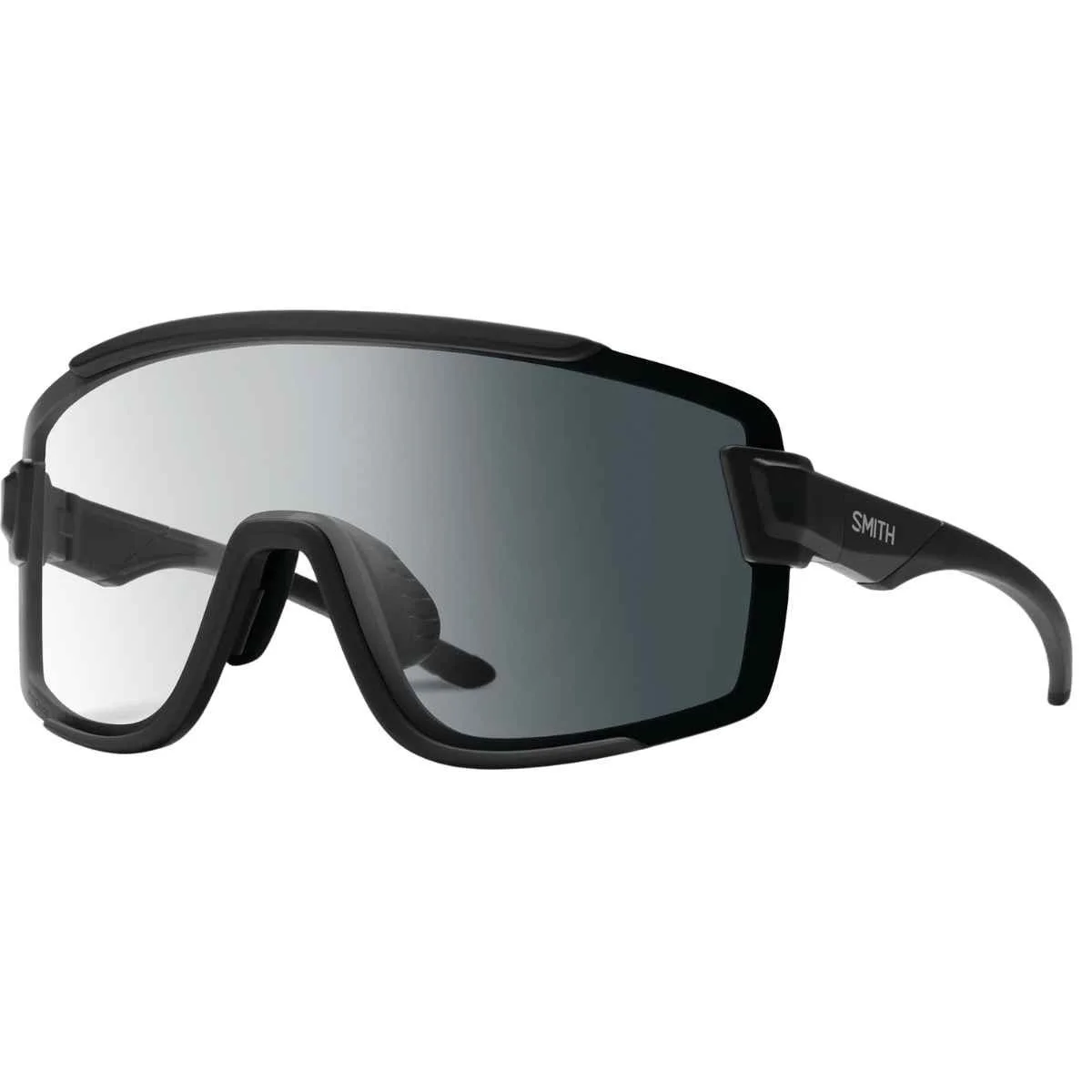
Shape: Medium frame
Weight: 30 grams
Coating: Smudge and moisture resistant coating
Frame material: Hybrid TR90 and TPU frame with Autolock hinges
Lens material: ChromaPop polycarbonate
Rx lenses options: No
Lens color options: Yes
Frame color options Yes
What we liked: No bounce, works well for running and biking, extremely comfortable, great coverage and field of vision, excellent optics, durable, good style
What we didn't like: Expensive
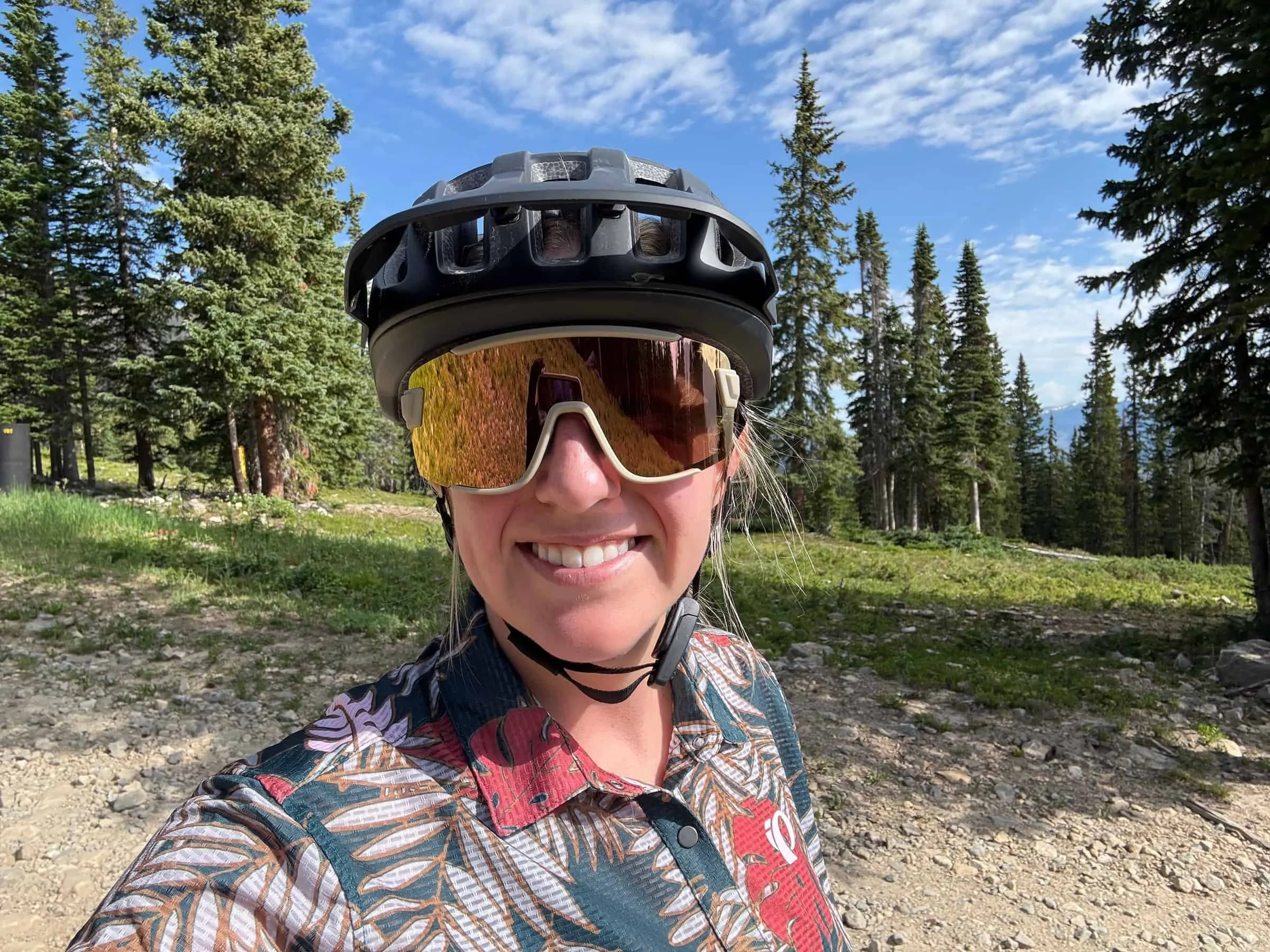
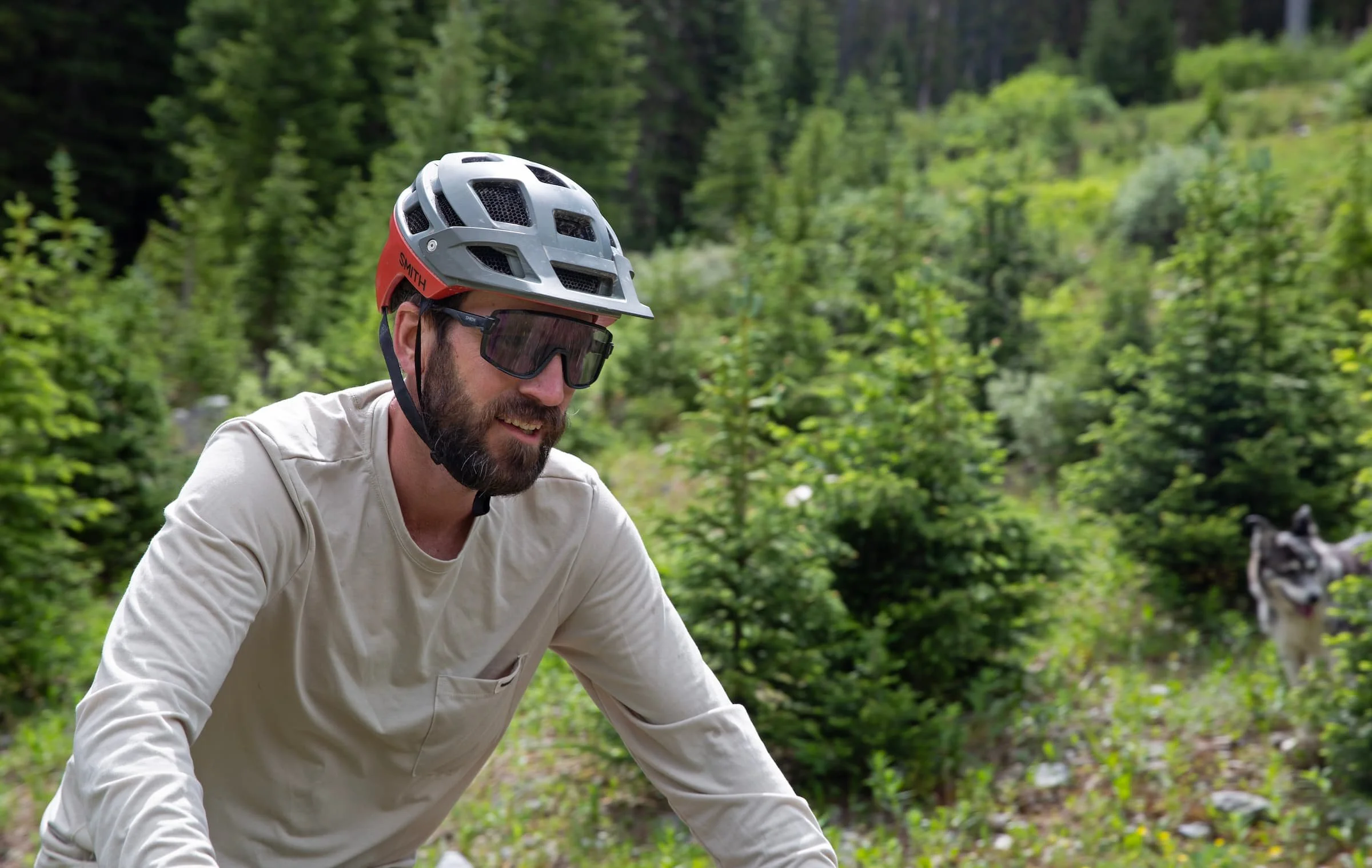
After testing dozens of sunglasses over several seasons of running and riding and across multiple testers, there is one pair that has always stood out for their combination of crisp optics, high coverage, good style, and maximum comfort: The Smith Wildcat.
While we wouldn’t necessarily consider them casual sunglasses for everyday wear, they have plenty of versatility from trail runs to bikes to ski tours, which adds to their value. They are even the overall winner in our Best MTB Sunglasses guide. Ultimately, we think these shades are well worth the price if they’re in your budget. No pair of sunglasses performed as well in every aspect as these.
These sunglasses have all of the features we look for in a good pair of MTB shades, with good style to boot. One tester has used the same pair of Wildcats for five straight seasons and they’re still going strong.
Smith Wildcat
-
The Wildcat frames are a hybrid blend of TR90 (a flexible plastic material) and TPU, which makes them flexible and supremely comfortable without sacrificing security. We would consider them on the larger side of the medium spectrum. The auto-locking hinges on the arms are solid and have never posed a durability concern for our testers.
-
Most options for the Wildcat come with Smith’s ChromaPop lenses, which help to define the trail better and make for crisper optics overall. Some colors also have polarized lenses, which is nice but less important for running and mountain biking compared to water sports or fishing, where the polarization really makes a difference.
-
All of the lenses have 100% UV protection (Smith doesn't specify whether UVA, UVB, or both) and are shatterproof. They also have a smudge-resistant coating that helps mitigate scratches, sheds water and mud, and helps to keep the lenses looking clean and crisp overall.
-
Ultimately, the only downside we can think of for the Smith Wildcat is the price. They aren’t cheap, but we do think they’re worth the splurge if it’s in your budget. These are a solid pair of sunglasses that can be used for running and biking and will perform exceptionally well and are also exceptionally comfortable.
Most stylish running sunglasses: goodr OGs
Shape: Wayfarer
Weight: 22 grams
Coating: Non-slip frame coating
Frame material: Unspecified frame
Lens material: Triacetate cellulose
Rx lens option: No
Lens color options: Yes
Frame color options: Yes
What we liked: Inexpensive, comfortable frames for most faces, extensive selection
What we didn't like: TAC polarization film wears out first
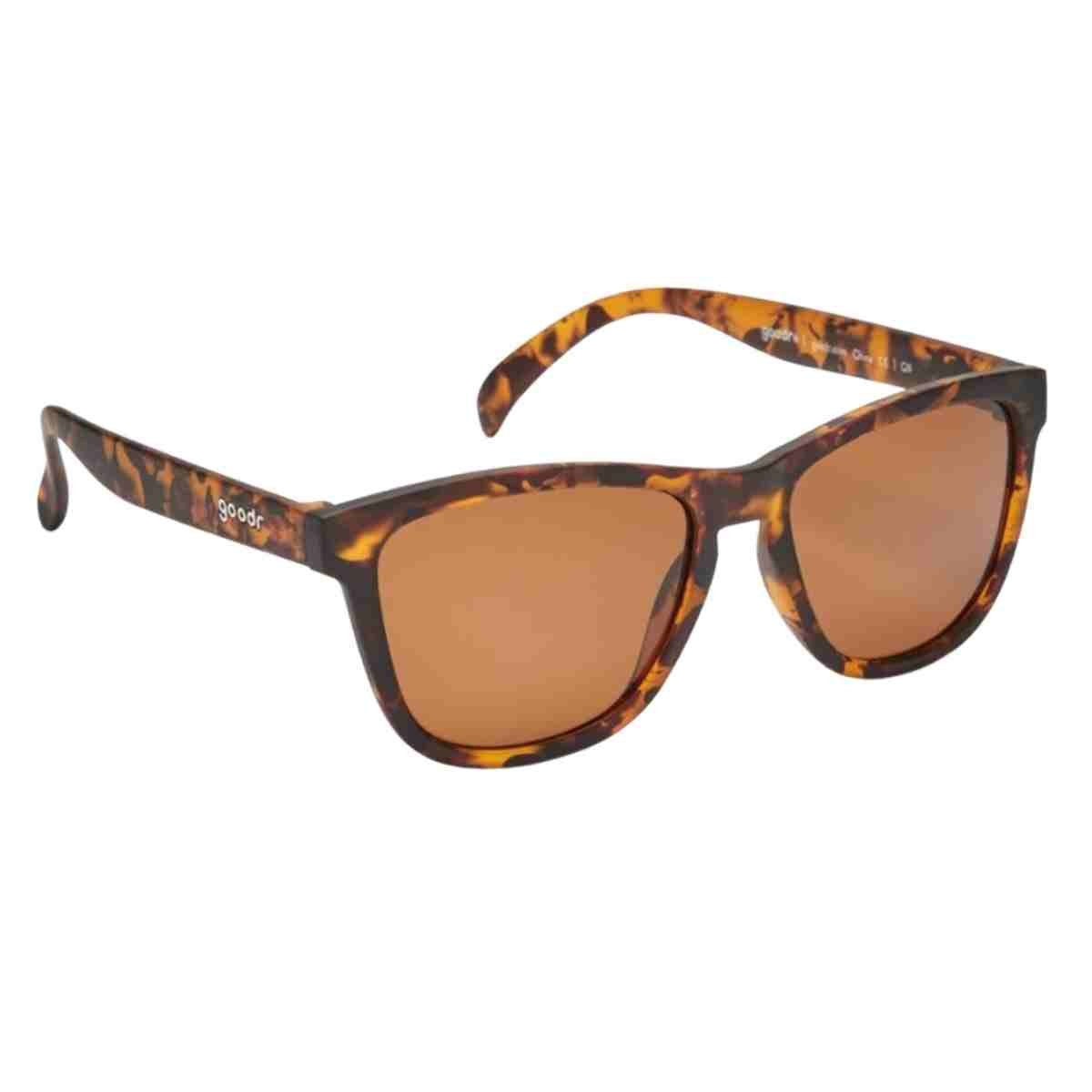
Likely the most ubiquitous name in running sunglasses, especially for the budget-minded and style-minded, the goodr OG has a lot going for them at a $30 price, about as low as it gets without opting for fragile acrylic sunnies from your convenience store.
Took a break on the trail side and ran off without them? Sat on them in your car? You can replace these polarized sunglasses without too much remorse. That's why we think the goodr OGs are among the best running sunglasses for those on a budget. They were previously our pick for Best Affordable sunglasses, but ultimately aren’t as durable as the Knockaround Premiums Sport Polarized Sunglasses.
However, they’re still a great, affordable option and they have the most options fo colors and frames of any running sunglasses. For that reason, we suggest the goodr OGs as most stylish running sunglasses for anyone who wants to look fun and distinctive at Run Club.
Compare prices of the goodr OGs


-
Though we tested an all-black pair, we love the fun nature of Goodr’s frame and lens selection, with their bright shades and goofy product names. The OGs are polarized, filter out all harmful UV rays, and have a lightweight nylon (assumed, as the specific materials are not listed online) frame with a weight of 22 grams. They’re found at most outdoor-oriented online and in-store retailers.
-
When getting into running after moving to Colorado, our reviewer used the Goodr OGs for several months exclusively for running, cycling, driving, and general use. He only changed glasses after deciding to invest in a higher tech, but more expensive pair of polarized sunglasses (which he eventually lost — there's a lesson there.)
In addition to those months in the foothills and high country trails around the Arkansas Valley, friends like Justin (pictured above) and seemingly most people in the local run group seem to have a pair of OG’s or other frame offerings from Goodr like the VRG, or the trendy full shield style Wrap G. These folks run up steep, big mountains and run faster down them. An affordable, functional pair of sunglasses seems to work just fine.
-
Goodr backs their glasses with a 1-year warranty rather than a lifetime one, which may be because they aren’t the most robust frames and lenses.
In other words, they will be more disposable than other more expensive options. While we don’t love replacing gear often and don't love the idea of old gear ending up in a landfill, sunglasses may be the one exception if there is one; they’re such a vulnerable piece of gear!
-
Customer reviews echo what we've seen in the field. The lenses on the Goodr sunglasses scratch easily, and the lens coatings sometimes peel off due to heat and other environmental factors. This is true for the OG, BFG, and VRG, as they all use the same lens technology.
Customer reviews also say plenty of great things about the glasses, too! They’re comfortable for most faces, and if the standard OGs aren’t big enough for your face, the Goodr BFG style should accommodate you.
-
Going for a lower-priced pair of sunglasses allows you to buy several pairs to keep at home, in the car, at work, etc. so that you always have a pair on hand. Our reviewer does that with his old pair of OGs–keeps it in the truck in case his primary glasses get left behind at home or a passenger needs a pair of glasses for the drive.
-
They’re also offered in a more circular lens, which is one of their most popular designs. Though we didn’t test them, it’s nice to have frame shape options.
-
Despite not being the most durable polarized sunglasses, the Goodr’s have an approachable price, filter out harmful UV rays, are polarized, and are comfortable. Sometimes, that’s all that you need.
Other sunglasses we tested
Maui Jim Ho’okipa
Shape: Small sport rimless
Weight: 18 grams
Coating: Lens - hydrophilic, oleophilic
Frame material: Grilamid TR-90
Lens material: Maui Pure (glass + polycarbonate hybrid)
Rx lenses option: Yes
Lens color options: Yes
Frame color options: No
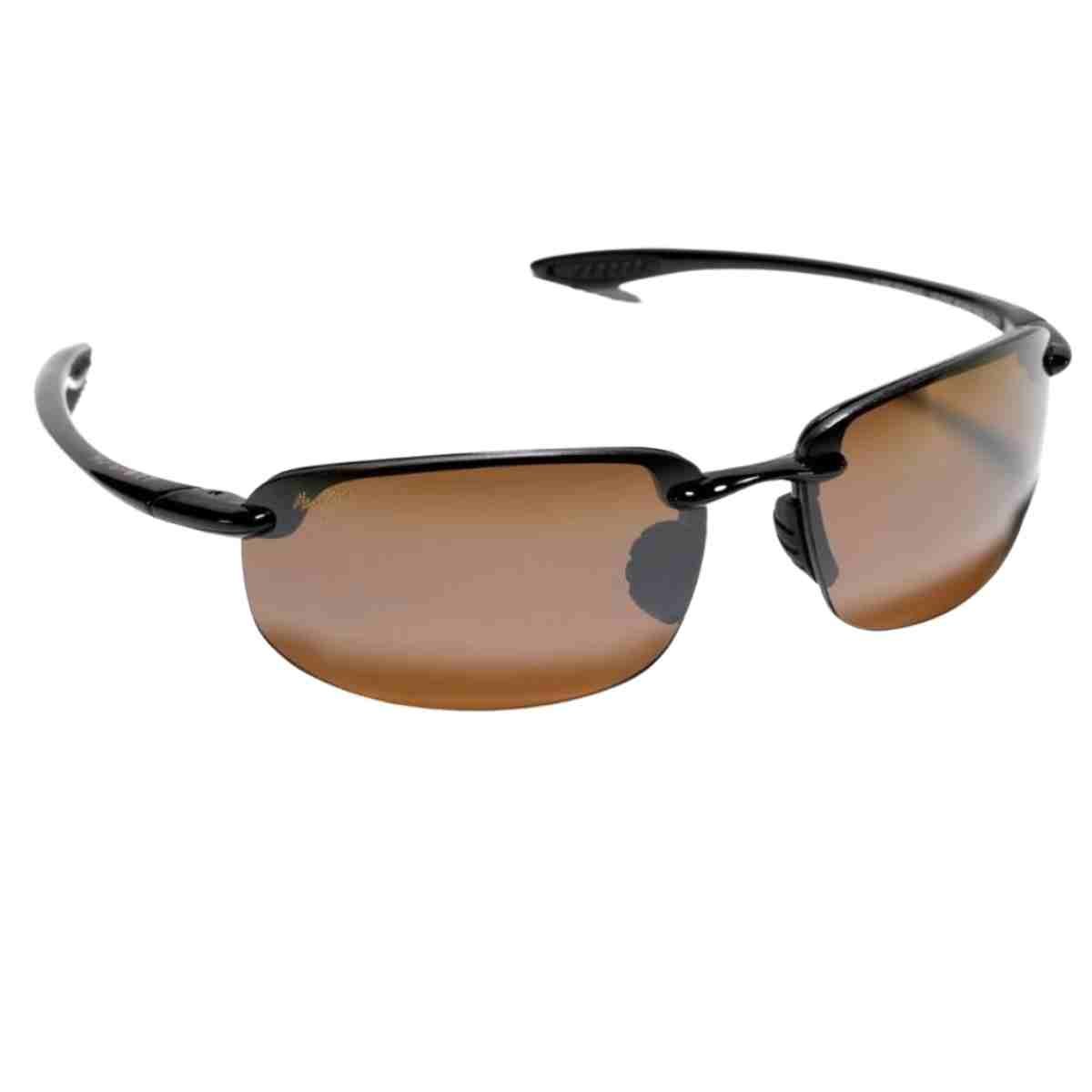
The Maui Jim Ho’okipa is undoubtedly a quality pair of sunglasses, just maybe not the best fit for high-impact sports like running. The lenses are their signature and popular Maui Pure; Maui Pure is made from a hybrid of glass and polycarbonate, resulting in the clarity you get from glass and the weight-saving shatter resistance you get from polycarbonate.
COMPARE PRICES OF THE MAUI JIM HO’OKIPA

The Maui Jim Ho’kipa is a solid choice for non-running daily wear and high glare activities, but not the most running-specific sunglasses out there.
Given the rimless and vulnerable lenses, we’re hesitant to recommend them for running. With that said, reviews point out the superior optics of the MJ Maui Pure lenses, and we find that they function at a similar quality level as the Oakley Sutro Prizms, which are in the same price range.
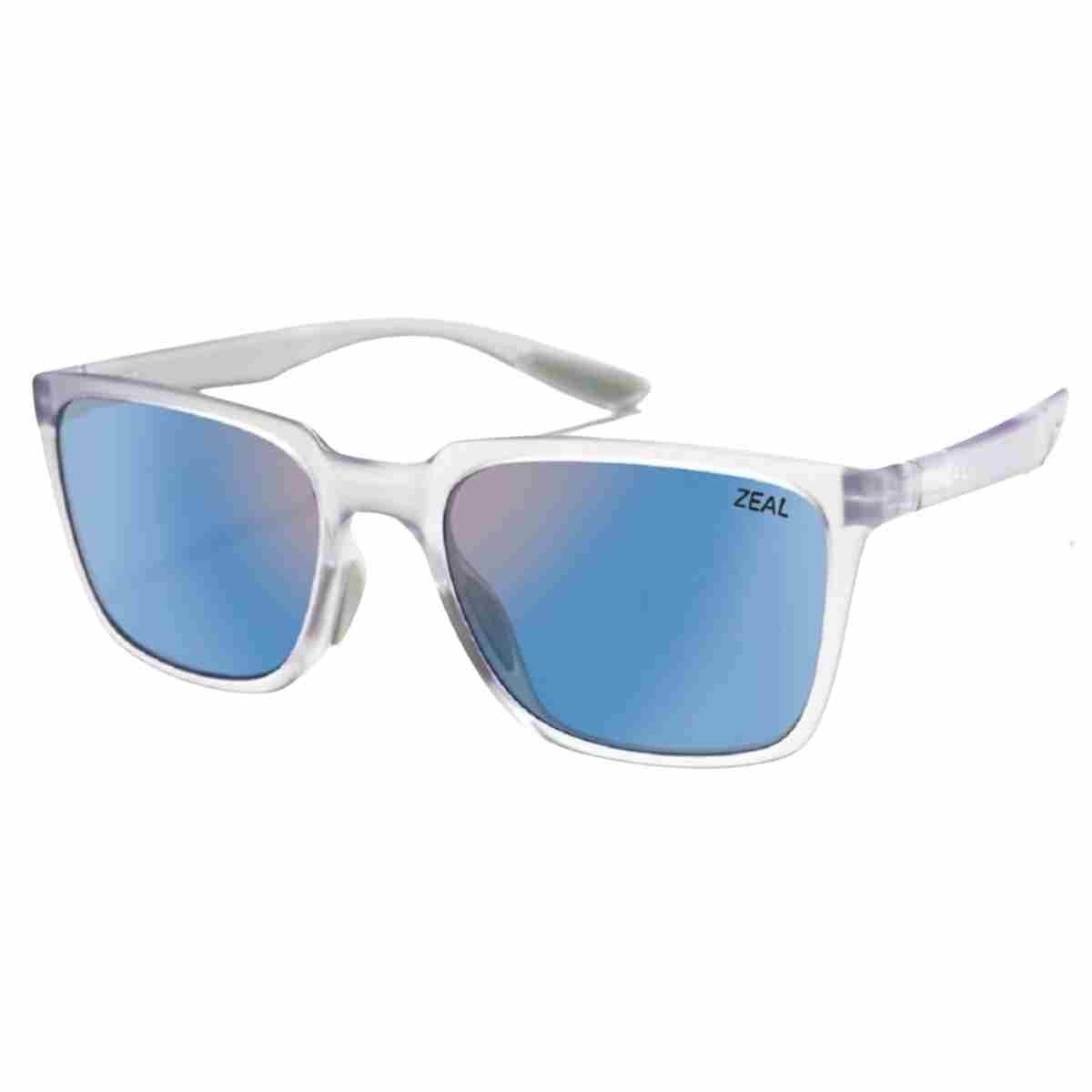
Shape: Square
Weight: 20 grams
Coating: Lens - Hard coat (scratch resistant) and impact resistant
Frame material: Z-Resin plant-based bioplastic
Lens material: Z-Resin polycarbonate
Rx lenses option: Yes
Lens color options: Yes
Frame color options: Yes
One of the tricky parts about writing about running sunglasses is that there are so many great options out there. The Zeal Campos are no exception. In short, if you pick up the Tifosi Swanks and in the future find that you’d like to invest in something with a similar style, a little lighter weight, with higher quality optics in the lenses, then look to the Zeal Campos.
COMPARE PRICES OF THE ZEAL CAMPO

The lenses and frame of the Zeal Campos are made from plant-based bioplastic. Photo by Sasha Hashemipour
While we didn’t give them a category win, they’re worth considering if you’re after a casual look, are willing to pay for a higher-priced pair of sunglasses, and are looking to eliminate plastic from your wardrobe. Zeal makes their Campo frames with a Z-resin plant-based bio-plastic and their lenses with a Z-resin plant-based polycarbonate.

Shape: Full shield
Weight: 32 grams
Coating: None specified
Frame material: Grilamid TR-90
Lens material: Polycarbonate
Rx lenses option: No
Lens color options: Yes
Frame color options: Yes
Tifosi showed up on our list of quality sunglasses, especially for the value. The Rails are no exception. However, we don't think the design of this model is the best for running. At 32 grams, the same as the Oakley Sutros, they’re on the heavier side, and unlike the Sutros, they just weren’t secure enough on our faces when running in them.
COMPARE PRICES OF THE TIFOSI RAIL

We love the interchangeable lens on the full shield Tifosi Rail. Photo by Sasha Hashemipour
They had a lot of bounce, and getting past that drawback is tough. We find they perform better primarily as cycling sunglasses where the trail is smooth. But at $80, you can choose different lens types. You can choose between getting a single photochromic lens or some frames that come with three different lenses. None are photochromic, but they serve the same need by coming with a clear, low light, and darker polarized lens pack.

Shape: Small, oval
Weight: 21 grams
Coating: Lens - hydrophilic, oleophilic
Frame material: TR-90 nylon
Lens material: Polycarbonate
Rx lenses option: No
Lens color options: Yes
Frame color options: Yes
Like the Tifosi Rail, the Smith Parallel Max 2 are sunglasses with an interchangeable lens. We enjoyed how easy it was to pop out the lenses to change to new ones, but one review did mention that when jostling around on rough terrain in a truck, they tend to pop out unintended. This didn’t happen to us, but it was something we pondered while running on technical terrain.
SMITH PARALLEL MAX 2

The Smith Parallel Max 2 is a multisport pair of sunglasses that might be better suited to lower-impact activities. Photo by Sasha Hashemipour
We also found that the rimless style of sunglasses isn’t our favorite for running.
The reason is that as runners, we often need to remove our sunglasses to see more technical aspects of the trail that may not be as obvious due to the polarization. With rimless sunglasses, it's too easy to touch the lenses with our dirty fingers when we're removing glasses to put on our hats. These sunglasses are marketed as multisport glasses, afterall, and may be better suited to that, as they don’t feel built specifically for the needs of running.
Why do you need running sunglasses

Treeline Review editor Becca Downs running in sunglasses on a road run.
A regular pair of sunglasses will fall off your face by mile two. Running sunglasses are built differently: lighter, more secure, and designed to stay put when you're sweating and moving hard. Beyond staying on your face, they do real work protecting your eyes and helping you see better on the run.
We highlight running sunglasses in our Best Running Accessories guide because they help you see better and they protect your eyes from UV rays. Here's why investing in sunglasses specifically designed for running is essential:
UV protection is the most important thing to look for. Runners spend a lot of time outside, and prolonged UV exposure can cause genuine long-term eye damage. Look for UV400 or 100% UV protection, which blocks both UVA and UVB rays completely.
Polarized lenses cut glare off wet pavement, water, and snow. This matters more than it sounds. Glare makes it harder to see obstacles, read the trail surface, and judge distances accurately. Polarized lenses filter it out and make running in bright conditions significantly easier on your eyes.
Fit is what separates running sunglasses from everything else. Too large and they'll bounce with every footstrike. Too small and you'll have a headache by the halfway point. Running sunglasses use rubberized nose pads and grippy temple coatings to stay in place as you sweat. Frame measurements, listed in millimeters, can help you find a frame that actually fits your face rather than guessing.
Sweat and moisture resistance matters for the same reason fit does. Hydrophobic coatings repel water and oleophobic coatings repel oils from sunscreen and sweat. Without these, your lenses will smear and fog constantly mid-run, which is both annoying and a safety issue.
Impact resistance is worth thinking about depending on where you run. Basic impact resistance is fine for road and most trail running. If you're regularly on technical, rocky terrain that involves scrambling or Class 3 terrain, high-impact lenses offer more protection against debris and falls.
How to choose running sunglasses

Treeline Review writer Sam Schild running in hot weather in a pair of sunglasses.
Polarized or photochromic? For most runners, polarized lenses are the right call. Polarization reduces glare from pavement, water, snow, and reflective surfaces, improves contrast, and reduces eye strain. Photochromic lenses adjust to varying light levels, which makes them better suited for forested trails with shifting light and technical terrain where depth perception matters. The tradeoff is that photochromic lenses cost significantly more and fewer budget options exist. Our reviewer uses polarized lenses for everything and occasionally takes them off when dropping back into dense tree cover at speed. The UV exposure in those short stretches is worth the simplicity of one pair.

Tifosi Rail disassembled to swap the lenses from dark, polarized shades to clear lenses. Photo by Trey French
Fit matters more than most people expect. Any discomfort you feel when you first put sunglasses on is more likely to get worse on a run than disappear. Look for arms that don't pinch your temples, a bridge that doesn't dig into your nose, and enough clearance that the lenses aren't pressed into your eyelashes. One-size-fits-all sizing works for many people but not everyone, especially those with larger or smaller heads. If you're buying online, look for companies that offer free returns or send multiple nose pad options to help dial in the fit. Roka does this by default.
They need to stay on your face. Bounce is annoying at best and means losing your sunglasses into a creek at worst. Grippy nose pads and rubberized temple coatings help. If you plan to wear sunglasses with a hat or helmet, check that the arms don't interfere. Long wraparound frames can cause problems here.
Interchangeable lenses are worth considering if you use your sunglasses across a wide range of conditions, from driving to trail running to work. Swapping lenses is cheaper than buying multiple pairs.
Anti-fog features matter if you run in humid conditions or cold temperatures. Hydrophobic coatings, perforated lenses, and frames angled to vent warm air all help. A frame that sits slightly away from your face also allows air to circulate and reduces fogging.
How much should you spend? A decent polarized pair starts around $25, though the polarization film on budget options can scratch or wear off faster. A step up into the $50 to $100 range gets you better durability and fit. Photochromic lenses with the film integrated into a lightweight polyurethane lens typically run $150 to $250.

The Tifosi Veloce sunglasses incorporate a venting hole near the top of the lens to allow heat to escape. Photo by Trey French
Do you need interchangeable lenses?
Interchangeable lenses can be a helpful tool if you plan to wear your glasses in a wide range of situations, like for safety at work, driving, and trail running, among other applications. Rather than buying multiple versions of the same glasses because they’re the most comfortable shades you’ve ever put on, and you don’t ever want to part with them, you can simply seek that comfort in interchangeable-lens-friendly glasses.
Do you need anti-fogging features?
Suppose you live in a humid region or do a lot of running in cold temperatures with higher contrast in temperature between your face and the sunglasses. In that case, you may want to consider anti-fog features like hydrophobic coatings, glasses with perforations, or glasses angled in a particular way to vent warm and moist air. Another reason to get a pair of sunglasses that stay put without having to press nearly into your eyelashes is that you’ll retain space for air to circulate.
How much do you want to spend?
These days, there are a lot of low-cost options available. If you’re a runner that’s hard on sunglasses but wants a polarized lens for glare reduction, you can get a decent pair for as low as $25. Note that the polarization on those lower-end sunglasses may be an outer film that can be the first thing to wear on the sunglasses and be susceptible to scratching. Something from goodr might be the right choice for you. Maybe you want a photochromic or polarized lens with the film integrated inside a lightweight polyurethane lens. You might be paying $150-$250 for those.
What to look for in running sunglasses

The frame styles of our six category winners. Leftside, top to bottom: Roka Oslos, goodr OG, Tifosi Swanks. Rightside, top to bottom: Oakley Sutro, Tifosi Veloce, Ombraz Teton. Photo by Trey French
Lens Optics and Filters (Polarization, UV rays, and Glare Blockage)
Beyond finding a pair of sunglasses that feel comfortable on your face, you’ll also want to consider the lens technology. Polarized sunglasses have film either on the outside or in the middle of the lens. The difference is that the outer film is more prone to scratching and wear. Some people like the aesthetic of mirrored lenses, functioning visually like a one-way mirror to the outside observer, but mirrored lenses also further aid in dealing with glare. Most sunglasses today have UV400 protection built-in, or a 100 UV protection built into the lens, so unlike some polarization films, it can’t wear off.
Lenses (RX and color options)

A view through the Oakley Sutros. Photo by Trey French
If you wear prescription sunglasses, you’ll want to shop through companies that offer prescription lens options of their frames. When shopping online, you’ll want to do the usual stuff like getting someone at your optometry office to measure your pupillary distance, or the distance between your pupils, to make sure everything lines up.
Like non-RX lenses, you’ll still choose among polarized, photochromic, and mirrored lenses, along with the other variable of light transmission among different shades of lenses. Though the UV protection will be the same across all color lenses on a given model, the way you see in certain light conditions will vary. Though there is a general guideline for dark and lighter colored lenses, the amount of light that lenses allow will vary by company, so take a moment to cycle through your options and see which lens tint might function the best for the places you run.
Frame type and coverage
Lately, we have seen larger, traditionally cycling-oriented glasses, become more popular. These models have more surface area coverage on the face, While the popularity of these glasses is rising, we see that most folks still prefer the smaller, lightweight sunglasses for running. One reason may be that it better manages the bounce inherent in running as opposed to cycling.
Another shape consideration may simply be how the glasses look on your face. While there are traditional guidelines for face shape and style (circular glasses for longer faces, squared glasses for more round faces), you’re free to choose what looks best on you and what image you want. You may have noticed the enduring popularity of the classic wayfarer style of sunglasses found on Ray Ban’s, Good’rs, the Roka Halsey’s, and others. They seem to strike a balance between round and square for many people.
Fit and comfort

Treeline Review writer Sam Schild running in Arizona in a pair of running sunglasses.
Like a good pair of running shoes, look for no pinching or rubbing — with running sunglasses, focus on the bridge of your nose or the sides of your head. While you can sometimes feel red flags immediately, we’ve found that if glasses are just a little too small width-wise for your head, they may have a slight pinch that turns into a major pain after several hours of use and can even create headaches. Most sunglass companies sell their glasses as one-size-fits-all but advertise that specific models fit best on smaller or medium to larger heads.
If you shop around enough, you’ll notice that some companies do offer at least a couple of sizes of frames to fit different-sized heads. It’s also good to ensure that the sunglasses' arms don’t interfere with any helmet components (including the chin strap). Sometimes you may not notice until you do the activity, but if you plan to wear a helmet outdoors, this is something to keep in mind.
Durability
Though we want to take kindly to our new sunglasses, there are durability concerns related to both lenses and frames.
Lenses Durability
Glass lenses offer the most clarity in lenses. Still, they are usually too heavy and fragile for running sunglasses. Glass lenses are also generally not found on non-prescriptive lenses. For RX and non-prescriptive running sunglasses, you will likely find a lightweight, durable polycarbonate or polyurethane lens.
A polyurethane lens will typically provide a slight edge over polycarbonate in terms of visual clarity and scratch resistance. However, they may also push the sunglasses from an investment to simply out of the budget.
Polycarbonate lens does the job for most, striking a balance of weight, clarity, durability, RX capability, scratch resistance, and price.
Frame Durability
Metals are popular for non-sport glasses and sunglasses but are not the most durable when it comes to all the impact that comes with running. Unless you’re shopping for a plant-based option, nylon will be the primary frame material for running and sport-focused sunglasses, sometimes incorporating small rubber pieces for comfort and stability and metal hinges where the arms meet the lens area.
Ventilation and Anti-Fogging Features

Sasha wearing the Nathan Summit glasses. Photo by Trey French
No matter what temperature you’re running in, body heat, sweat, and evaporation of that sweat can cause your sunglasses to fog. This happens mostly when you’ve been moving and then come to a stop, decreasing the airflow that goes through and around your glasses. Glasses designs use a few different methods to prevent this. The first is the shape of the frames. The closer the lenses sit to your face, and the more they wrap around, the more likely they’ll be to fog. Glasses that sit a bit off the face will allow more airflow and be less likely to fog. However, glasses designed like this often have a less technical shape, while more technical glasses tend to feature wrap-around styles for better coverage and protection from the sun. This means that other ventilation is necessary in order to prevent fogging. Many glasses like this include small venting holes in the sides or tops of the lenses to help with that (like the Tifosi Veloce).
Frame Material
The material of the frame affects the comfort, weight, and performance of your sunglasses. Many sunglasses frames are made from nylon, for a combination of lightweight durability and comfort. Flexibility is also important for both comfort, and to prevent the frames from breaking easily. Nylon tends to strike a nice balance between weight, durability, comfort, and affordability. Other materials, like acetate, will be more rigid and not as suitable for high-impact or high-output sports. Some sunglasses include other, more expensive materials—some of which offer better performance, though some are just for style. Overall, we think nylon frames offer great value for sunglasses that will be used for outdoor activities.
Polarization
Polarization is a glare-reducing application found on lenses to help with reflections from water, snow, pavement, and pavement’s accompanying glare (like vehicle windows and other hard, shiny surfaces). In addition, studies have shown that polarized lenses can improve reaction time while driving. Polarized lenses are fixed instead of transitioning with varying light levels like photochromic. However, polarized lenses are available across all budgets.
Tips for Maintaining Running Sunglasses

Ombraz sends a cloth case with a microfiber cleaning cloth sewn on it so you won’t lose it! Photo by Trey French
Cleaning and storage. Always use a microfiber cloth on the lenses, not paper towels or cotton fabric. Both can leave tiny scratches that build up over time and degrade clarity. Store sunglasses in a case when you're not wearing them. If you're traveling or cramming them into a pack, a hard case is worth the extra bulk to protect the frame from getting bent.
Replacement parts and repairs. Before buying a new pair because of a loose screw or scratched lens, check whether the manufacturer sells replacement parts. Many do. If you can't find them online, a local eyewear shop that carries your brand can often help with both parts and repairs. Scratched lenses on a frame that still fits well are usually fixable, since most running sunglass brands offer lens swaps. It's worth a quick search or email before writing off an otherwise good pair.
Warranty. Higher-end brands tend to offer better warranty coverage, but it varies a lot. If something goes wrong early, contact the brand before assuming you're out of luck. Even for normal wear and tear beyond the warranty period, some brands offer repair services at a reasonable cost. Always worth asking.
How we tested

Sasha testing out the Nathan Summit sunglasses. Photo by Trey French
To find the best pair of running sunglasses, we tested sunglasses while trail running in a series of mountain ranges, including the foothills of the San Isabel National Forest and Bureau of Land Management land, Sangre de Cristos, and the Sawatch Range of Colorado-Ute land. We encountered temperatures between 55°-95° degrees through a warm but wet summer in the Colorado Rockies.
We wore sunglasses on our faces, hats, running belts, and vests, wiped them during runs with cleaning clothes, rinsed them, and checked the hinges afterward. We experienced different vision with each lens type and found that some are best in low light, others in bright conditions, and some adapt to changing conditions. Some bounced, and others never budged. Some were so comfortable that we forgot to change them out halfway when carrying multiple pairs on the same run.
Most of our runs averaged about an hour on buffed-out dirt roads and technical rolling single track. Some were more adventurous-as long as 8 hours of movement at 10,000-14,300ft, including hiking and scrambling through overgrown terrain, technical alpine talus and boulder fields, and down steep 4,000ft sustained singletrack descents.
Since we first started testing running sunglasses, the author and other Treeline Review writers have continued to test these glasses for a total of four years of testing. In addition, we've tested these sunglasses for multi-sport activities including biking, skiing, kayaking, and thru-hiking. We've reported back on their durability as well as suitability for different activities.
- Hot climbs & 1,000-foot descents
- Trail runs in bright & shaded conditions
- Tested with running hats & sun shirts
- Worn for 1+ hour efforts
- Tested on different face shapes & sizes
- Fit security through sweat & movement
- Glare reduction & color contrast on trail
- Frame weight over long efforts
- UV coverage at elevation
- Value for price
FAQ
-
Running sunglasses are built around secure fit, bounce resistance, and sweat management in ways that standard sunglasses are not. Key differences include hydrophilic nose and ear grips that become more secure as you sweat, lighter frames in the 18 to 32 gram range to reduce bounce, and materials like TR-90 nylon that flex on impact rather than snapping. A standard pair of sunglasses may work for casual jogging, but will often slide, bounce, or cause pressure points on longer or faster efforts.
-
It depends on where you run. Polarized lenses are the better choice for road running, high-alpine terrain, and anywhere with significant glare from pavement, water, or snow. Photochromic lenses are more useful for trail running through varied light conditions, particularly on routes that move between dense forest and open terrain during a single run. Polarization reduces glare more aggressively, while photochromic lenses adapt automatically to changing light without you having to remove the glasses.
-
Yes, but frame style matters. Wayfarer and smaller oval styles fit easily under most running hat brims without conflict. Wraparound and full-shield styles have longer side arms that can ride up under a brim or shift when you remove the hat, which is a common complaint. Armless sunglasses like the Ombraz avoid this problem entirely since they have no side arms to catch on hat brims or helmet straps, making them a particularly practical choice for runners who always wear a hat or who prefer wider-rimmed sun hats designed for hikers that offer the most coverage.
-
For runners who wear corrective lenses, prescription sunglasses are worth considering for runs longer than an hour or on technical terrain where contact lenses can be problematic due to dust, wind, or eye fatigue. Several brands including Tifosi, Ombraz, and Roka offer prescription lens options directly in their running frames. Roka builds an integrated titanium core into their lighter frames to offset the added weight of stronger prescription lenses, which is a practical detail for those with higher prescriptions.
-
Lighter tints in rose, amber, or yellow increase contrast and depth perception in flat or overcast light, making terrain features easier to read on cloudy days or during dawn and dusk runs. Dark gray or smoke tints are optimized for bright conditions and can reduce visibility too much in lower light. If you run in variable conditions and want a single fixed lens, a medium rose or amber tint is a more versatile choice than a dark gray, and photochromic lenses remove the decision entirely by adapting automatically.
-
Fogged up sunglasses may be simply too close to your face. That said, glasses are more prone to fogging up in cold, wet weather conditions and even more when your face generates a lot of heat. Suppose you’ve found that you struggle with glasses fogging up. In that case, it’s worth looking into glasses that not only fit your face comfortably with a bit of space for airflow between your face and the lenses but also ones with anti-fogging coatings and even cutouts in the lenses to increase airflow. Note that the better the coatings, the more expensive the sunglasses will likely be.
-
Falling shouldn't be an issue if your sunglasses are secure to start and not too big for your head. You’ll want the glasses to be somewhat lightweight to decrease the bounce, and you can also look for glasses that have grips on the inside of the arms to help them stay in place. If you find that no frames out there are working for you, you can simply add a glasses retainer strap that can cinch tighter or looser. Ombraz has fully embraced this thinking by eliminating the arms and incorporating an adjustable strap that cinches down to keep the sunglasses in place.
About the author / Why you should trust us
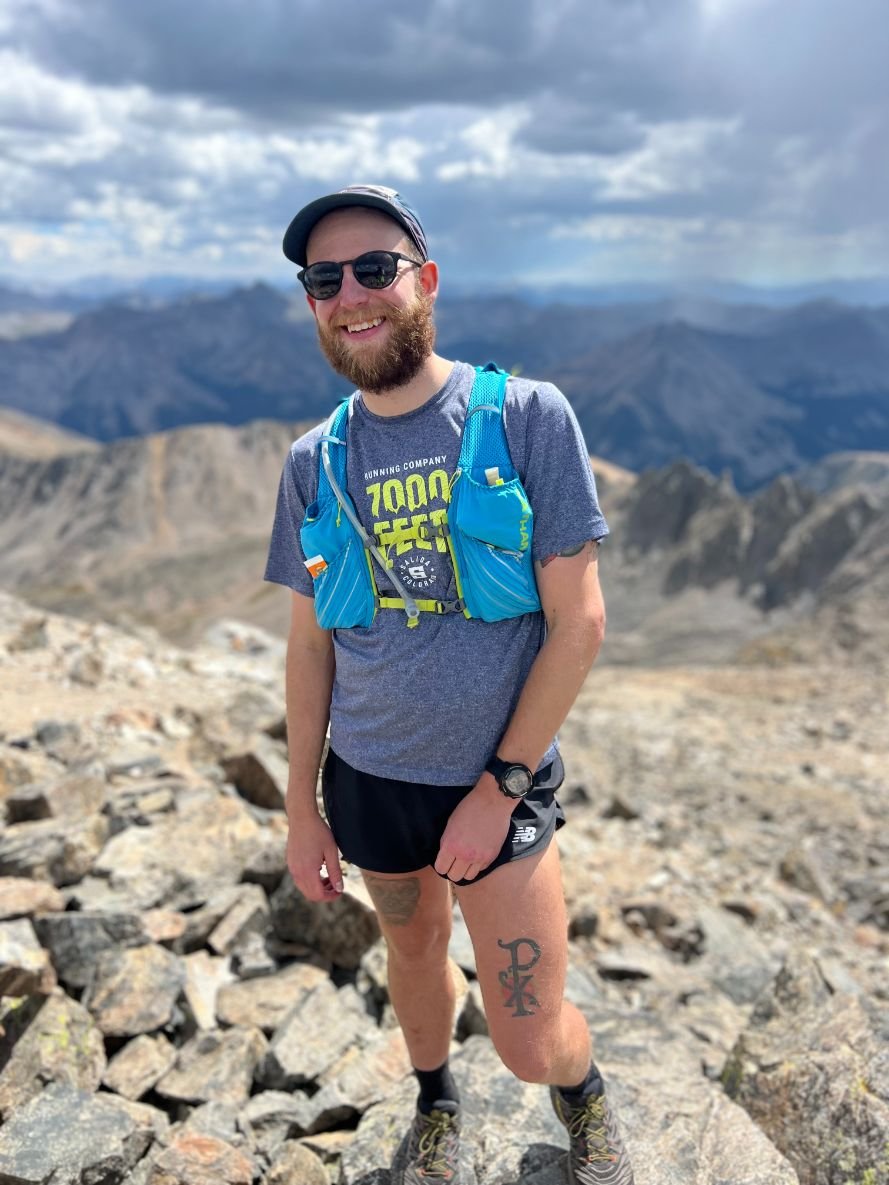
The author in the high country of Colorado, with the Roka Oslos. Photo by Justin Walker
From trail outings starting and ending on NYC trains; Colorado multi-sport front door-to-door outings containing cycling and trail running; to long-distance thru-hikes on trails like the CDT, PCT, and Long Trail-working with variable conditions is a constant in Trey’s outdoor life. Trey gravitates towards hiking, running, and cycling. He is interested in human-powered, carless travel with the occasional assistance of public transportation or a friendly hitch.
Based out of Salida, CO, at 7,000ft, Trey runs in all seasons — for mental health, fitness, and preparing a base for big mountain adventures once the snow melts in spring. Trey has run the Salida Run Through Time trail marathon, the Grand Canyon double crossing (the “Rim to Rim to Rim”), and many self-made alpine routes in Colorado.
He keeps his legs under him by shuffling from the Arkansas River into the local foothills most days of the week, and he is kept honest by the local Wednesday group run up the town’s namesake mountain.
Around 9,000 miles of combined running and hiking miles inform his approach to gear testing. Sun always seems to be present in Colorado’s banana belt that is Salida, getting an average of 262 sunny days per year. Wearing sunglasses outside on his journey to find the perfect pair, he’s gone through quite a few — whether they’ve flown off a hat into a creek, been sat on, or simply lost.
You can read more of Trey's work at his blog or on his author page.